





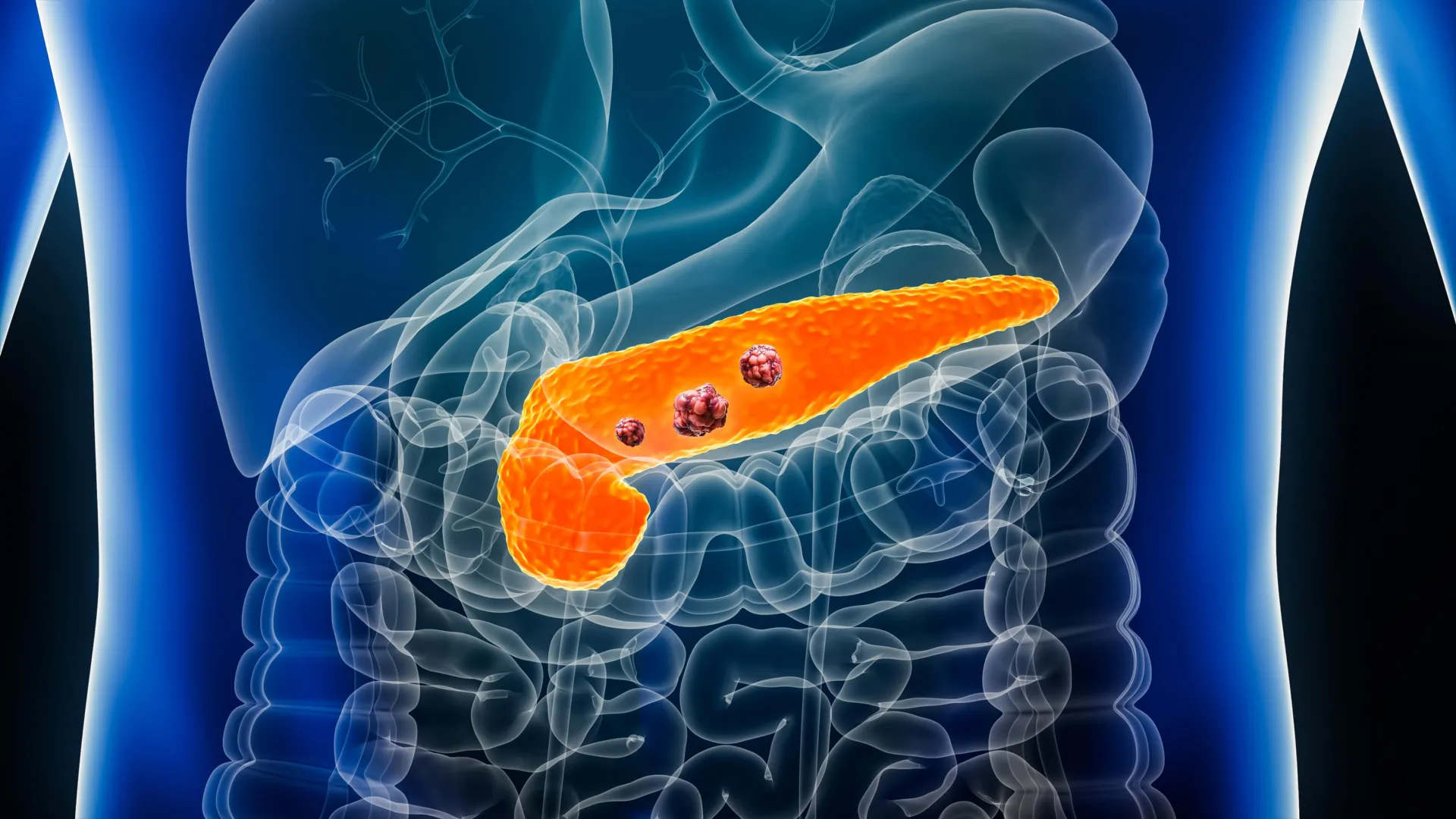
Pancreatic ductal adenocarcinoma (PDAC) has long been considered one of medicine’s most formidable adversaries. Often referred to as a "silent killer," it frequently remains undetected until it has reached an advanced, terminal stage. However, a groundbreaking advancement in artificial intelligence may be about to rewrite the prognosis for thousands of patients.
Researchers have unveiled a new AI framework called REDMOD (Radiomics-based Early Detection MODel), which is capable of identifying microscopic, subtle changes in pancreatic tissue—signatures of cancer that are invisible to the human eye and current standard imaging technology. According to a study published in the journal Gut, this technology can pinpoint early indicators of the disease up to three years before a clinical diagnosis, potentially shifting the focus from late-stage intervention to life-saving, early-stage treatment.
The Challenge of Early Detection
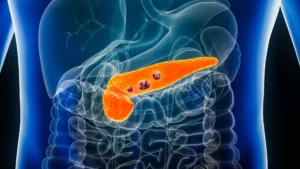
Pancreatic cancer is characterized by a dismal survival rate, a statistic driven largely by the timing of diagnosis. The pancreas is tucked deep within the abdomen, obscured by other organs, and early-stage tumors rarely trigger the classic symptoms—such as jaundice or significant abdominal pain—that prompt patients to seek medical help. By the time symptoms become noticeable, the cancer has often metastasized or invaded surrounding structures, rendering surgery or curative treatment impossible.
Standard medical imaging, such as computed tomography (CT) scans, is highly effective for detecting established tumors but struggles to identify the minute, structural, and textural changes that occur in the tissue during the disease’s inception. This "diagnostic blind spot" has left radiologists and oncologists with little recourse other than reactive treatment.
The REDMOD Framework: A Technological Leap
To bridge this gap, researchers developed the Radiomics-based Early Detection MODel (REDMOD). The framework leverages "radiomics"—the extraction and analysis of massive amounts of quantitative data from medical images that are beyond the scope of human visual perception.
How It Works
The system operates on two primary levels of sophistication:
- Automated Segmentation: One of the most significant hurdles in clinical radiology is the manual contouring of the pancreas, which is time-consuming and prone to human error or inter-radiologist variability. REDMOD automates this process, precisely isolating the pancreas from surrounding organs. This creates a standardized "region of interest" for analysis.
- Texture Analysis: Once the pancreas is isolated, the AI scans for "radiomic signatures." These are extremely fine patterns in the texture of the tissue that indicate cellular changes associated with the development of adenocarcinoma. Because these patterns exist at a microscopic level, they often appear on scans long before a physical mass becomes large enough to be detected by traditional radiological review.
Chronology of a Medical Breakthrough
The development and validation of REDMOD followed a rigorous multi-year research timeline designed to test the AI against real-world clinical scenarios.
- Data Assembly: Researchers utilized a cohort of 219 patients who had undergone abdominal CT scans at various intervals prior to being diagnosed with pancreatic cancer. These scans were initially deemed "normal" by experienced radiologists.
- The Look-Back Study: The scans were categorized by the time elapsed before the formal diagnosis: 40% were scanned 3 to 12 months prior; 35% were scanned 12 to 24 months prior; and 25% were scanned up to 36 months prior to clinical confirmation.
- The Control Group: To ensure accuracy, the AI was pitted against a control group of 1,243 individuals who had not developed pancreatic cancer, matched for age, sex, and scan dates.
- Performance Benchmarking: The AI’s performance was compared directly against the retrospective findings of expert radiologists who had reviewed the original scans.
Supporting Data: AI vs. Human Radiologists
The results of the study represent a seismic shift in diagnostic capability. The researchers evaluated the system’s sensitivity—its ability to correctly identify patients who truly have the disease—and compared it against the performance of experienced clinicians.
Comparative Sensitivity
The data revealed a stark contrast in detection rates:
- Overall Performance: REDMOD achieved a sensitivity of 73%, while experienced radiologists reached only 39%.
- The Long-Lead Advantage: Perhaps most impressive was the AI’s performance on scans taken more than two years before diagnosis. In these challenging cases, REDMOD successfully flagged the disease in 68% of patients, compared to just 23% for the human radiologists—nearly a three-fold increase in detection capability.
- Consistency: The system demonstrated high reliability. In longitudinal tests where multiple scans from the same patient were analyzed, the AI maintained a 90% to 92% consistency rate, suggesting that the signals it detects are robust biological markers rather than algorithmic noise.
Specificity and Validation
Beyond detection, the system showed a strong ability to avoid "false positives." In an independent test group of 539 patients, the AI correctly identified 81% of healthy individuals as cancer-free. In a separate dataset from the National Institutes of Health (NIH), that accuracy climbed to 87.5%.
Official Responses and Clinical Implications
The researchers behind the study, while enthusiastic, maintain a cautious optimism. Their findings highlight a profound "temporal window"—a period of time that, if utilized for early intervention, could completely alter the trajectory of the disease.
The Researchers’ Perspective
"This temporal window holds profound significance," the research team stated. "Attaining such early detection would substantially augment the probability of cure and improved survival." They pointed to mathematical modeling studies which suggest that if the proportion of localized pancreatic cancers detected could be increased from 10% to 50%, survival rates would more than double.
"The timing of diagnosis is the single most critical determinant of survival outcomes," the authors noted. They characterized the REDMOD framework not merely as an imaging tool, but as a "pre-clinical interception" strategy that shifts the paradigm from symptomatic treatment to proactive management.
Challenges and Future Frontiers
Despite the success of the initial study, the researchers were quick to delineate the path forward. For AI to move from a research framework to a clinical staple, several critical hurdles remain:
- Diversity and Generalization: The initial study population lacked the demographic breadth required to ensure the AI performs equally well across different ethnic and socioeconomic backgrounds. The researchers acknowledge that future iterations must include more diverse datasets to avoid algorithmic bias.
- Prospective Clinical Trials: All existing data on REDMOD is retrospective—meaning it was analyzed after the fact. To be used in hospitals, the system must undergo "prospective validation," where the AI is tested on patients in real-time.
- High-Risk Integration: Scientists are particularly interested in testing the system on populations known to be at elevated risk, such as patients with unexplained, rapid weight loss or those recently diagnosed with adult-onset diabetes. These groups represent the most likely candidates for early screening programs.
The Path Toward Proactive Interception
The integration of AI into radiology departments could signal the beginning of a new era in oncology. If validated through prospective clinical trials, REDMOD could be implemented as an automated "second look" system in hospitals. In this model, every CT scan performed for any abdominal issue would be automatically screened by the AI, acting as a tireless, 24/7 monitor for the earliest signs of pancreatic malignancy.
While the medical community remains understandably cautious about adopting new technologies without exhaustive testing, the potential is undeniable. By transforming the pancreas from a "hidden" organ into one that can be monitored with microscopic precision, REDMOD offers a glimmer of hope for a disease that has historically offered very little. The transition from "late-stage diagnosis" to "early-stage interception" is no longer just a theoretical goal; it is a tangible, technologically feasible future.