










In a major advancement for cardiovascular medicine, researchers at King’s College London have identified a naturally occurring compound that may hold the key to treating a notoriously difficult form of heart failure. The study, published in the journal Science Advances and funded by the British Heart Foundation, reveals that urolithin A—a metabolite produced by the gut microbiome after consuming foods like pomegranates, walnuts, and certain berries—can significantly improve heart function in experimental models.
For the nearly half a million people in the UK suffering from heart failure with preserved ejection fraction (HFpEF), this discovery offers a beacon of hope where few therapeutic options currently exist.
The Core Facts: Understanding the "Stiff Heart"
Heart failure is often misunderstood as a complete cessation of the heart’s function. In reality, it is a chronic condition where the heart struggles to pump blood effectively to the rest of the body. Within this category, HFpEF represents a unique and frustrating clinical challenge.
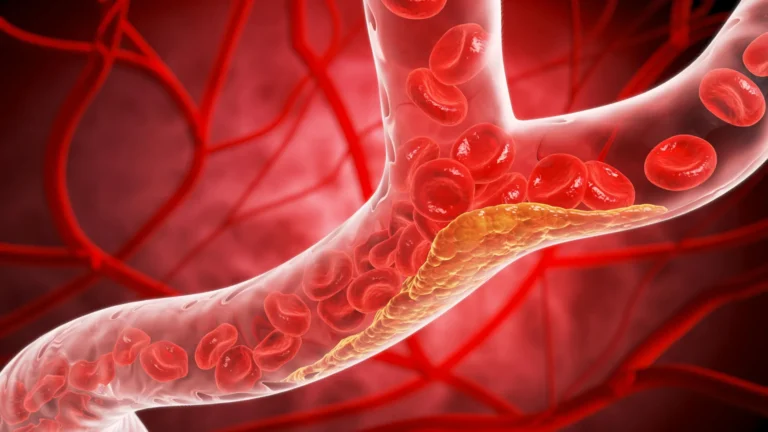
In patients with HFpEF, the heart’s pumping mechanism—the ejection fraction—remains relatively normal. However, the heart muscle itself becomes rigid and stiff. Because the muscle fails to relax properly between beats, it cannot fill with enough blood to maintain a healthy circulation. This results in the hallmark symptoms of the condition: debilitating fatigue, persistent shortness of breath, and a severely limited capacity for physical activity.
Because the heart is still "pumping" on a surface level, traditional heart failure medications—which are designed to improve the strength of the squeeze—often prove ineffective. Currently, physicians are forced to focus on managing comorbidities like hypertension, obesity, and diabetes, rather than treating the underlying mechanical failure of the heart muscle.
Chronology of the Discovery
The path to this discovery began with a shift in focus toward the role of mitochondria—the cellular "power plants" of the body—and their impact on healthy aging. Scientists have long suspected that the metabolites produced during digestion play a larger role in systemic health than previously understood.
- Initial Investigation: Researchers began by analyzing urolithin A, a compound already known for its potential to support mitochondrial health.
- Molecular Mechanism Mapping: The team at King’s College London performed a series of laboratory experiments to determine exactly how this compound interacts with heart muscle cells. They identified that urolithin A activates a specific protein known as PKG1α.
- Pathway Identification: The study confirmed that urolithin A targets a specific amino acid on the PKG1α protein, effectively "switching on" a signaling pathway that governs blood vessel function and, crucially, the relaxation of heart muscle.
- Animal Modeling: Following the molecular identification, the researchers tested the compound in animal models. The results were striking, showing an improvement in heart function metrics by up to 80% compared to untreated control groups.
- Human Tissue Validation: To bridge the gap between animal research and human application, the team employed "heart-on-a-chip" technology. By engineering human heart tissue from stem cells, they were able to replicate the structure and function of human muscle, confirming that urolithin A significantly improved relaxation in human cells.
Supporting Data: The Power of PKG1α
The data generated by the King’s College team provides a robust biological rationale for why urolithin A works. In experimental models, the compound did more than just improve filling capacity; it actively reversed some of the structural damage associated with chronic heart disease.
- Reduction in Fibrosis: One of the most dangerous aspects of heart failure is fibrosis—the accumulation of thick, scarred tissue that replaces healthy muscle. The study demonstrated that urolithin A effectively inhibited the development of this scarring.
- Limiting Hypertrophy: The compound prevented the harmful enlargement of heart muscle cells, a compensatory mechanism that eventually leads to heart failure. By maintaining the integrity of these cells, the heart is better able to retain its elasticity.
- Safety Profile: Perhaps the most encouraging piece of data is that urolithin A has already been subjected to human safety studies for other applications, showing a high level of tolerability. This significantly reduces the "time-to-market" risk that often plagues new pharmaceutical candidates.
Official Responses and Expert Perspective
The significance of this research has been met with measured optimism from the scientific community.
Dr. Joseph Burgoyne: A New Therapeutic Target
Dr. Joseph Burgoyne, the senior author of the study and a cardiovascular scientist at King’s College London, emphasizes the complexity of the disease. "This type of heart failure is becoming increasingly common as populations age and rates of obesity and diabetes rise," Dr. Burgoyne notes. "Despite its growing burden, treatment options remain limited because the disease is complex and varies considerably between patients."
Regarding the potential for dietary intervention, Dr. Burgoyne offers a cautious perspective: "While there isn’t enough evidence to suggest that people should eat pomegranates to treat heart failure, these findings raise the possibility that dietary approaches that enhance urolithin A production may help alleviate this condition."
Professor James Leiper: The Road Ahead
Professor James Leiper, Director of Research at the British Heart Foundation, highlighted the broader impact of the study. "Heart failure with preserved ejection fraction (HFpEF) makes up roughly half of all heart failure cases in the UK, and can be debilitating," he stated.
Professor Leiper reminded the public of the importance of the scientific process: "While these findings are promising, the benefits have so far been seen in animals and engineered human tissue, so clinical trials involving people are needed to test if this approach is effective for patients. In the meantime, a healthy, balanced diet remains one of the best ways to look after your heart. Eating plenty of fruit and vegetables is linked to better heart health, but it’s important to remember that no single food can prevent or treat heart disease on its own."
Implications for Future Medicine
The implications of this research are twofold: it provides a new target for drug development and offers a potentially non-toxic, naturally derived pathway to heart health.
Moving Beyond Symptom Management
Current treatments for HFpEF are largely reactive. If a patient has high blood pressure, they are given diuretics or beta-blockers. If they have diabetes, they are given insulin-sensitizing agents. The discovery of the PKG1α pathway suggests that we may eventually have a "mechanistic" treatment—a drug that targets the physical stiffness of the heart directly.
The Rise of Nutraceuticals
The fact that urolithin A is a natural metabolite opens up a burgeoning field of "nutraceuticals"—substances that bridge the gap between food and medicine. If clinical trials prove successful, it is possible that future heart failure management could include standardized, concentrated forms of urolithin A, providing a therapy that is as safe as it is effective.
Challenges to Overcome
Despite the excitement, several hurdles remain. The human gut microbiome varies significantly from person to person. Not everyone who eats pomegranates or walnuts produces urolithin A in the same concentrations. Consequently, the next phase of research must determine how to ensure therapeutic levels of the compound reach the heart in diverse patient populations.
The Next Frontier: Clinical Trials
The transition from Science Advances to the pharmacy shelf depends entirely on upcoming human clinical trials. These studies will need to measure not just the molecular response, but the actual quality-of-life improvements for patients, such as increased exercise tolerance and reduced hospitalizations.
As cardiovascular medicine continues to evolve, the study of urolithin A stands as a testament to the power of fundamental biological research. By looking at how our bodies interact with the food we eat, researchers have unlocked a potential solution to one of the most stubborn medical challenges of the 21st century. While the pomegranate may not be a "miracle cure" in the grocery aisle today, it has provided the blueprint for a potential revolution in how we mend a broken heart.