








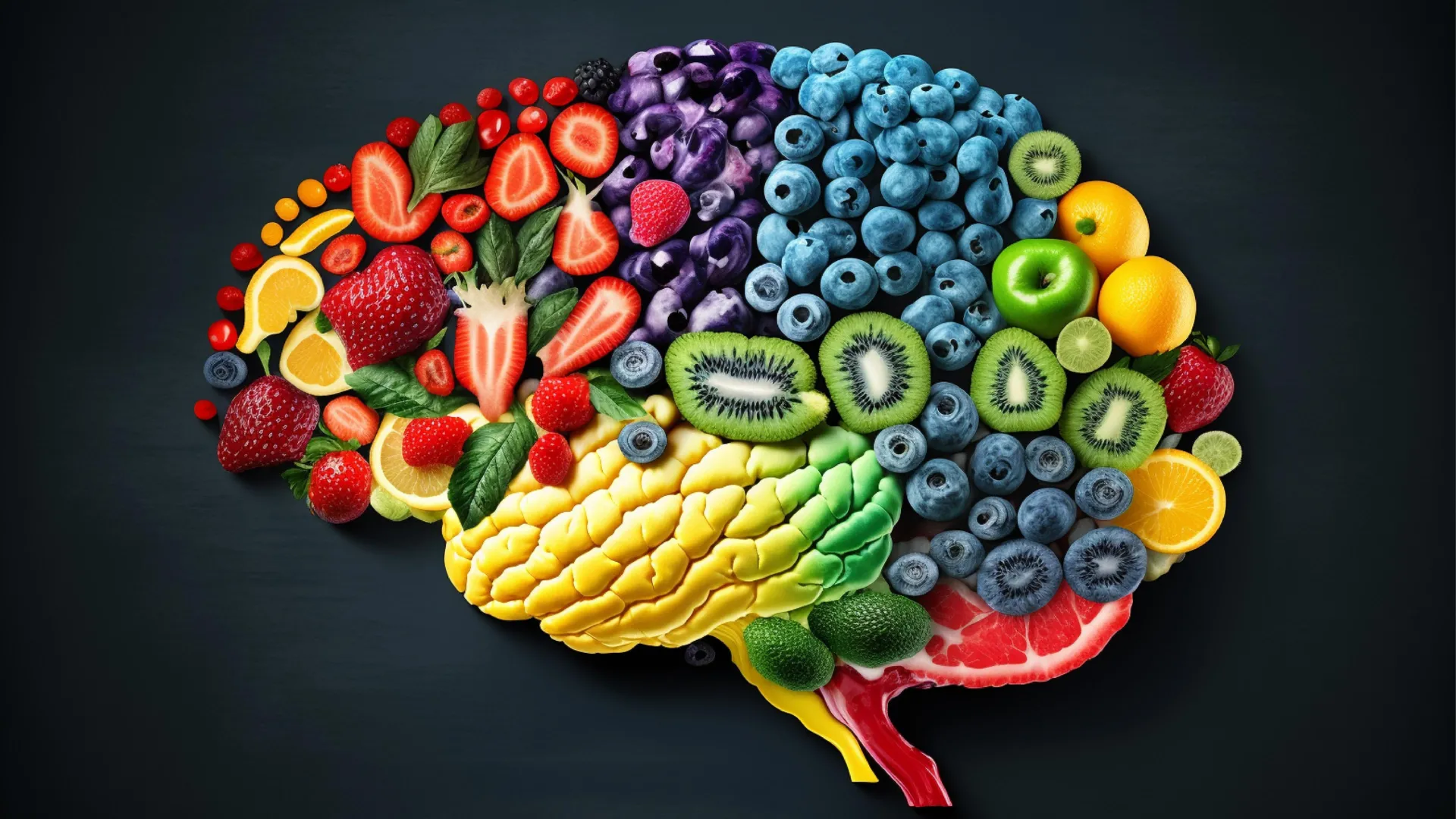
In an era where neurodegenerative diseases such as Alzheimer’s and Parkinson’s pose an increasing global health burden, the quest for preventative strategies has never been more urgent. While genetics and environment play undeniable roles, emerging research is increasingly pointing to a powerful, modifiable factor: nutrition. A landmark study published in the Journal of Neurology, Neurosurgery & Psychiatry suggests that the MIND diet—a hybrid of the Mediterranean and DASH (Dietary Approaches to Stop Hypertension) eating plans—may act as a nutritional shield against the structural degradation of the brain that typically accompanies the aging process.
The Core Findings: Preserving the Architecture of Thought
As the human brain ages, it undergoes inevitable structural shifts. These include a gradual reduction in the volume of grey matter—the dense tissue crucial for high-level functions like memory, decision-making, and information processing—and the expansion of the brain’s ventricles, which are fluid-filled spaces that grow larger as surrounding brain tissue shrinks.
The recent study, which analyzed over 1,600 middle-aged and older adults, found that individuals who adhered strictly to the MIND diet experienced significantly less of this age-related decline. The implications are profound: higher adherence to this nutritional framework was directly linked to the preservation of grey matter and a slower expansion of ventricular volume. By effectively "slowing the clock" on brain atrophy, researchers suggest that the MIND diet may provide the equivalent of up to 2.5 years of delayed brain aging, offering a tangible window of opportunity for long-term cognitive protection.
Understanding the MIND Diet: A Blueprint for Neuroprotection
The MIND diet—short for Mediterranean-DASH Intervention for Neurodegenerative Delay—is specifically engineered to optimize cognitive function. Unlike restrictive fad diets, it functions as a sustainable lifestyle template.
The Recommended Staples
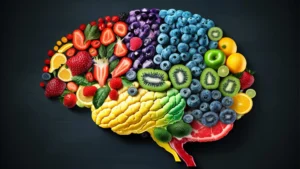
The diet prioritizes nutrient-dense foods known for their anti-inflammatory and antioxidant properties:
- Green Leafy Vegetables: The cornerstone of the diet, providing essential folate, phylloquinone, and lutein.
- Berries: High in flavonoids, which have been shown to improve signaling in the brain.
- Nuts and Legumes: Excellent sources of healthy fats and plant-based protein.
- Whole Grains: Providing sustained energy through complex carbohydrates.
- Fish and Poultry: Lean proteins that serve as the foundation for brain-healthy tissue maintenance.
- Olive Oil: The primary source of added fat, replacing butter and margarine.
Foods to Limit
To minimize systemic inflammation and vascular damage, the diet advises limiting:
- Butter and Margarine: High in saturated and trans fats.
- Cheese: Recommended only in strict moderation.
- Red Meat: A contributor to inflammation when consumed in excess.
- Pastries and Sweets: Linked to blood sugar spikes that can damage delicate vascular structures.
- Fried Fast Foods: Often the primary source of trans fats and harmful "advanced glycation end-products" (AGEs).
Chronology: The Evolution of the Framingham Study Analysis
The strength of this research lies in its longitudinal nature, utilizing data from the prestigious Framingham Heart Study Offspring cohort (FOS).
1991–2001: The Dietary Assessment Phase
The researchers tracked 1,647 participants, with an average age of 60 at the study’s inception. Dietary habits were captured through rigorous food frequency questionnaires (FFQs) collected across three distinct time windows between 1991 and 2001. This allowed researchers to establish a baseline of long-term eating habits rather than relying on a snapshot of behavior.
1999–2019: The Imaging Phase
To measure physical changes in the brain, participants underwent a series of high-resolution MRI scans. By ensuring that no participants showed evidence of stroke or dementia at the time of their first scan, the team was able to focus specifically on the natural, age-related trajectory of brain structure rather than the onset of acute pathology.
The Follow-up
Over an average follow-up period of 12 years, the research team mapped the trajectory of brain volume against the participants’ MIND diet scores. The result was a clear, statistically significant correlation between the quality of the diet and the physical integrity of the brain’s grey matter.
Supporting Data: Quantifying the Impact
The statistical correlations revealed in the study offer a compelling argument for dietary intervention. The researchers utilized a 15-point scoring system to determine adherence to the MIND diet.
- Grey Matter Retention: For every 3-point increase in a participant’s MIND diet score, the rate of grey matter loss slowed by approximately 0.279 cm³ per year. This equates to a 20% reduction in the rate of age-related decline.
- Ventricular Stability: A 3-point increase in the diet score was linked to a slower expansion of total ventricular volume by 0.071 cm³ per year. This represents an 8% reduction in the tissue loss associated with ventricular enlargement.
- The Power of Specific Foods: When analyzing individual food items, the data showed that berries and poultry were particularly protective. Conversely, a high intake of fried fast foods was strongly associated with accelerated hippocampal atrophy—the area of the brain most responsible for memory formation.
Interestingly, the study noted some anomalies. Higher whole grain intake appeared to correlate with some unfavorable structural changes in this specific cohort, while cheese consumption, contrary to general health wisdom, appeared to correlate with slower declines. Researchers cautioned that these findings require further investigation, as they may reflect hidden variables or specific metabolic interactions within the FOS cohort.
Official Perspectives and Expert Interpretation
The research team, led by experts in neuro-nutrition and aging, offers a plausible biological mechanism for their findings. "MIND-recommended foods are rich in antioxidants and high-quality proteins," the authors noted. "These nutrients may reduce oxidative stress and mitigate neuronal damage."
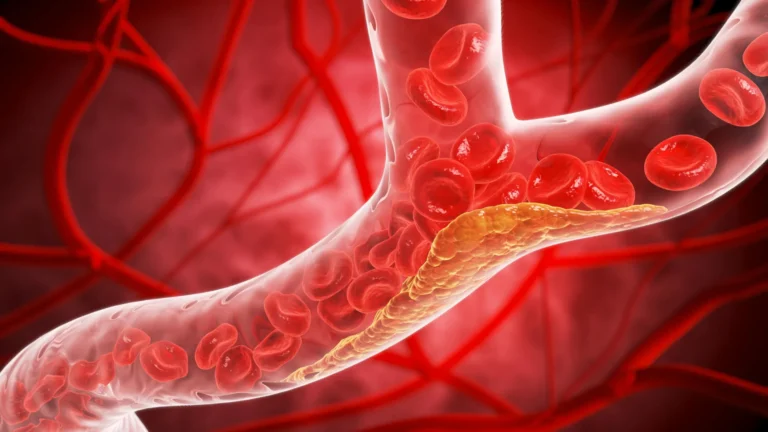
Conversely, the team highlighted the danger of the "modern diet." Fried fast foods, often saturated with unhealthy trans fats, are known to promote systemic inflammation and vascular damage. The brain, which relies on a pristine vascular network to supply oxygen and nutrients, is particularly susceptible to the inflammation triggered by such foods.
The researchers emphasize that the benefits of the diet were most pronounced in older participants. This suggests that even if one has not followed a perfect diet in their youth, shifting to a MIND-compliant lifestyle in later life may still offer meaningful neuroprotective benefits. Furthermore, the correlation was stronger among those who were physically active and maintained a healthy body weight, suggesting that the MIND diet is most effective when integrated into a holistic health strategy.
Implications for Public Health and Future Research
While these findings are promising, it is essential to view them through the lens of observational science. Because this was not a randomized controlled trial, the researchers acknowledge that they cannot prove a definitive "cause and effect" relationship. Factors such as socioeconomic status, education, and access to healthcare often correlate with both diet and brain health, potentially introducing "confounding variables" into the data.
Furthermore, the study was limited by its reliance on self-reported dietary data, which is subject to recall bias. The cohort was also predominantly White, meaning the findings may not be fully generalizable to other ethnic or cultural groups, whose traditional diets may interact with brain health in different ways.
A Call for Proactive Health
Despite these limitations, the study serves as a potent reminder of the brain’s plasticity and its dependence on physical fuel. The implications for public health are significant. By promoting the MIND diet, healthcare providers can offer patients a low-risk, low-cost, and highly accessible strategy to manage the risk of neurodegeneration.
As the global population continues to age, the ability to delay the onset of structural brain changes by even a few years could result in millions of individuals maintaining their independence, memory, and cognitive vitality well into their ninth decade. The path forward involves not just clinical treatment for disease, but a foundational shift in how we prioritize our daily nutrition to protect the most complex organ in the human body.
In the final analysis, the researchers remain optimistic: "These findings reinforce the potential of the MIND diet as a brain-healthy dietary pattern and support its role in strategies aimed at slowing neurodegeneration in aging populations." For now, the evidence suggests that what is good for the heart is, indeed, profoundly good for the mind.