










By Health Policy Desk
Updated November 7, 2026
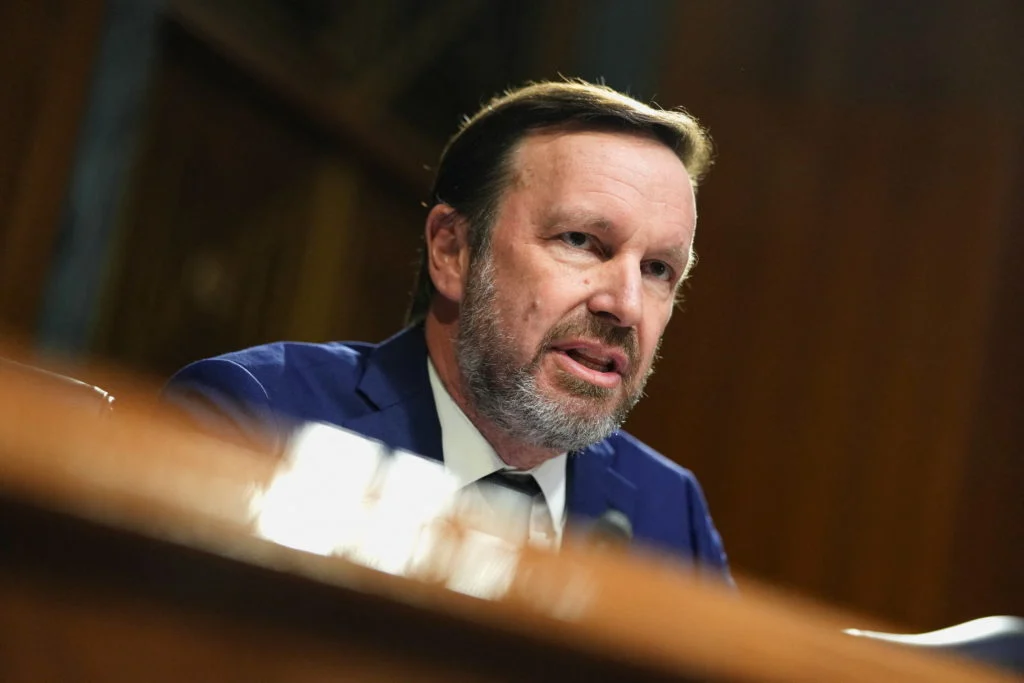
The hospitalization of U.S. Senator Chris Murphy (D-CT) on October 31, 2026, following a stroke, has sent shockwaves through Washington and served as a stark, high-profile reminder of a burgeoning public health trend: the increasing incidence of strokes among younger and middle-aged adults. At 53 years old, Senator Murphy’s experience, while described by his staff as one where a “full recovery” is anticipated, has refocused national attention on the silent risk factors that are increasingly affecting demographics once considered low-risk.
While the medical community continues to monitor the Senator’s progress, his case serves as a poignant anchor for a broader, concerning shift in cardiovascular health across the United States.
Main Facts: The Clinical Reality
A stroke, or cerebrovascular accident, occurs when the blood supply to part of the brain is interrupted or reduced, preventing brain tissue from getting oxygen and nutrients. Within minutes, brain cells begin to die. While traditionally viewed as a condition that primarily impacts the elderly, current clinical data suggests that the demographic profile of the average stroke patient is shifting significantly younger.
Senator Murphy’s office confirmed the medical emergency occurred on the final day of October. Following his stabilization and subsequent discharge, his chief of staff expressed optimism regarding his long-term prognosis. However, the event has triggered a wave of inquiry into why a man in his early 50s, seemingly active and engaged in the rigorous demands of the U.S. Senate, would suffer such an event. The answer, according to neurologists and public health researchers, lies in a combination of lifestyle factors, undiagnosed vascular conditions, and a societal shift that has made "younger" strokes increasingly common.
Chronology: A Timeline of the Event and Recovery
- October 31, 2026: Senator Chris Murphy is admitted to a medical facility after experiencing symptoms of a stroke. The news is kept private initially as his medical team works to stabilize his condition.
- Early November 2026: Official statements are released by the Senator’s office, confirming the hospitalization. The announcement emphasizes that the Senator is responsive and that his team remains "optimistic" regarding a full recovery.
- November 7, 2026: Following a period of inpatient care and observation, the Senator is discharged. His office announces that he will focus on his health and recovery in the coming weeks, signaling a brief hiatus from his legislative duties in Connecticut and Washington.
Supporting Data: A Shifting Demographic
For decades, the public health narrative regarding strokes was focused squarely on the elderly. However, the data gathered between 1993 and 2022 reveals a different reality.
The Doubling Trend
Researchers have noted that stroke incidence rates among adults aged 20 to 54 have nearly doubled over the last three decades. Specifically, data from 1993-94 indicated an incidence rate of approximately 33.90 cases per 100,000 people. By 2020, that number had surged to 62.18 cases per 100,000.
Recent Statistical Increases
When researchers at the Centers for Disease Control and Prevention (CDC) analyzed data from 2011-13 compared with 2020-22, the findings were stark:
- Ages 18 to 44: Stroke prevalence increased by 14.6%.
- Ages 45 to 64: Stroke prevalence increased by 15.7%.
This data is particularly alarming because it stands in contrast to trends among the elderly population, where stroke rates have actually seen a decline during the same period, likely due to better medical management of geriatric heart disease and improved acute care protocols.
The Vascular Link
A comprehensive study conducted in Florida, covering the years 2014 to 2022, provides insight into the "why." Among patients aged 18 to 55 who suffered the most common form of stroke (ischemic), there was a marked increase in the presence of existing vascular risk factors. These include, but are not limited to, hypertension (high blood pressure), coronary artery disease, Type 2 diabetes, and sleep apnea.
The Silent Killers: Risk Factors in Younger Populations
The rise in strokes among the middle-aged is not attributed to a single cause, but rather a "perfect storm" of modern lifestyle factors and chronic conditions.
The Deception of "Feeling Healthy"
Dr. Elizabeth Rosen, a neurologist at Tufts Medical Center, notes that hypertension is perhaps the most dangerous factor because it is often asymptomatic. "Some people can feel completely healthy even if they have hypertension," Dr. Rosen explains. This leads many individuals in their 40s and 50s to skip regular screenings, assuming that because they have no pain or discomfort, their cardiovascular health is sound.
The Role of Lifestyle
Health professionals emphasize that the preventative measures required to mitigate these risks are well-documented but difficult to implement in a modern, fast-paced environment. Key recommendations include:
- Dietary Reform: Moving away from processed foods and incorporating a high-fiber, plant-forward diet rich in colorful fruits and vegetables.
- Activity Levels: Maintaining a consistent, active lifestyle to combat the sedentary nature of modern professional work.
- Substance Use: Cessation of smoking and recreational drug use, both of which can drastically increase arterial stress and the risk of blood clots.
- Clinical Oversight: Managing cholesterol, blood sugar, and blood pressure levels through routine primary care visits.
Official Responses and Implications
The hospitalization of a high-profile public official like Senator Murphy has galvanized the medical community to renew its plea for preventative health literacy.
Dr. Aaron Shoskes, a neurologist at the University of Utah, has been vocal about the necessity of early intervention. "Once those numbers [blood pressure, cholesterol, BMI] are known, the next step is working with a clinician to manage them," Dr. Shoskes noted in an April 2026 statement. "Early intervention makes a big difference."
Implications for Public Policy
The political and health implications are significant. As the average age of the U.S. Congress remains high, and as the general population faces these rising stroke rates, the discussion surrounding health care access, the affordability of preventative screenings, and the regulation of factors contributing to obesity and hypertension is likely to intensify.
Furthermore, the "Murphy case" acts as a litmus test for how modern political offices handle health crises. By being transparent about his recovery and the nature of his condition, the Senator’s team has effectively shifted the narrative from one of political speculation to one of public health awareness.
Looking Forward
For the public, the lesson is clear: cardiovascular health is not a concern reserved for the retirement years. The 15% increase in stroke prevalence among the 45-to-64 demographic is a systemic warning. The medical community urges that even those who feel "at the top of their game" must prioritize annual physicals, family history assessments, and blood pressure monitoring.
As Senator Murphy begins his recovery, the national conversation continues. It is a dialogue that balances the individual health of a public servant with the collective health of a nation facing an unprecedented, yet preventable, epidemic of cerebrovascular disease. The hope, among health advocates, is that the visibility of this event will lead to a decrease in the incidence of strokes by encouraging earlier diagnosis and more proactive management of the "silent" risk factors that are clearly on the rise.
For more information on stroke prevention and recognizing the warning signs—such as facial drooping, arm weakness, and speech difficulty (the FAST acronym)—consult your local health provider or visit the CDC’s official resource page on heart health.