










As the demographic shift toward an aging population accelerates globally, the intersection of professional responsibility and personal caregiving has become one of the most critical challenges of the modern era. In the autumn of 2026, the Caregiving Club On Air podcast, hosted by noted corporate gerontologist and author Sherri Snelling, has provided an essential roadmap for millions of Americans grappling with these complex issues.
Through a series of high-profile interviews, the podcast has dissected the pillars of effective caregiving: workplace support, financial planning, and the indispensable necessity of self-care. This report synthesizes the expert insights shared in episodes 74, 75, and 76, offering a comprehensive look at how individuals and organizations can better navigate the "caregiving crisis."
The Core Pillars of Modern Caregiving: An Overview
The modern caregiving experience is no longer limited to the elderly; it has evolved into a "lifespan" concern. Whether supporting aging parents, partners with chronic illnesses, or children with special needs, caregivers are frequently caught in a "sandwich generation" struggle. Sherri Snelling’s recent programming highlights three distinct, yet interconnected, areas that determine the success of a caregiving journey:
- Work-Family Integration: How corporate culture must adapt to the "hidden" needs of employees who are also caregivers.
- Financial Longevity: Understanding tools like reverse mortgages to fund long-term care without depleting retirement assets.
- The Respite Imperative: Moving beyond the stigma of self-care to recognize it as a vital health intervention.
Chronology of Expert Insights (September – October 2026)
September 14, 2026: The Respite Imperative (Episode 74)
The series kicked off in September—recognized as Self-Care Awareness Month—with a deep dive into the burnout epidemic. Laura Williams, Founder and CEO of Respitely, joined the program to address the psychological and physical toll of caregiving. Williams emphasized that respite is not a luxury; it is a foundational requirement for maintaining the health of both the caregiver and the recipient.
September 21, 2026: Financial Stability and the Reverse Mortgage (Episode 75)
Recognizing October as Financial Planning Month, the podcast hosted Ted Butler, known widely as "The Voice of Reverse Mortgage." Butler demystified one of the most misunderstood financial instruments in the gerontology space, highlighting how equity in a home can be leveraged to provide the liquidity necessary for home modifications, in-home care, and professional medical assistance.
October 19, 2026: The Future of Caregiving at Work (Episode 76)
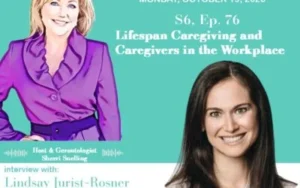
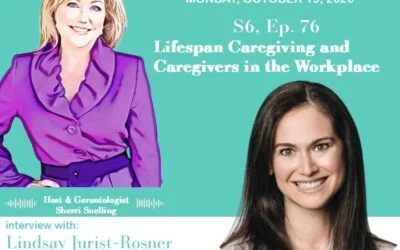
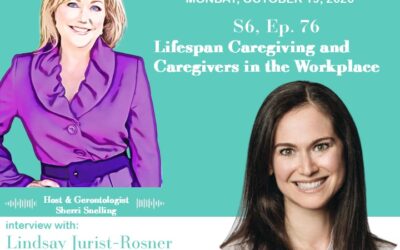
In honor of Work-Family Month, Lindsay Jurist-Rosner, Founder and CEO of Wellthy, provided a masterclass on how the corporate world must pivot. She discussed the importance of systemic support for caregivers in the workplace, moving from a culture of "accommodations" to one of "integration."
Supporting Data and Industry Analysis
The urgency of these discussions is backed by sobering statistics. According to industry reports from 2026, over 53 million Americans provide unpaid care to family members. This demographic is increasingly younger, with a significant percentage of Gen X and Millennial employees reporting that their caregiving duties have directly impacted their career progression and mental health.
The Financial Burden
Financial experts note that the cost of professional, long-term care has risen by an average of 4% annually over the last decade. With many families relying on a "patchwork" strategy, the insights provided by guests like Ted Butler become essential. A reverse mortgage, when utilized correctly, can provide a steady stream of funds that prevents families from liquidating investment portfolios during market downturns, thereby preserving generational wealth.
The Productivity Gap
As Lindsay Jurist-Rosner pointed out in Episode 76, companies lose billions in productivity annually due to "presenteeism"—employees who are physically at work but mentally preoccupied with caregiving crises. The data suggests that companies offering dedicated caregiving navigation services see higher retention rates and increased employee satisfaction scores.
Official Responses and Perspectives
The "Wellthy" Approach: Scaling Support
Lindsay Jurist-Rosner’s work at Wellthy represents a sea change in how corporations handle family crises. By treating caregiving as a logistical hurdle that can be managed with professional navigation, Wellthy provides employees with care coordinators who handle the bureaucratic "red tape" of medical billing, insurance appeals, and finding home-health providers. Her perspective is that the burden of caregiving should not fall entirely on the individual, and employers who recognize this are gaining a significant competitive advantage in the war for talent.
The "Respitely" Philosophy: Self-Care as Maintenance
Laura Williams argues that society often views self-care as "pampering," a misconception that has led to a silent epidemic of caregiver depression. Her organization’s mission is to destigmatize the need for time away from caregiving duties. By providing platforms that facilitate easier access to respite care, Williams is advocating for a structural shift in how we define "duty." She argues that a caregiver who is not rested is a caregiver who is destined to fail, creating a secondary health crisis for the care recipient.
The Financial Perspective: Equity as a Tool
Ted Butler’s advocacy for the reverse mortgage is rooted in the belief that many seniors are "house rich and cash poor." By framing the home as a financial asset rather than just a living space, Butler offers a way for aging individuals to "age in place" with dignity. His response to critics is that when used with proper counseling and oversight, these financial tools are not a last resort but a proactive strategy for maintaining quality of life.
Implications for the Future of Caregiving
The synthesis of these episodes suggests a paradigm shift in how we approach the later stages of life. The implications are far-reaching:
1. The Death of the "Lone Wolf" Caregiver
The era of the solitary, unsupported family caregiver is coming to an end. The integration of technology, financial planning, and corporate benefits is creating a new ecosystem. In the future, caregivers will likely have "care teams" that include professional navigators, financial planners, and respite providers.

2. Corporate Responsibility
Employers are moving from being passive observers to active participants in the caregiving journey. As Work-Family Month continues to gain prominence, we can expect to see more companies offering "caregiver leave" that is as standardized as parental leave. The work being done by leaders like Lindsay Jurist-Rosner is setting the benchmark for what a supportive workplace looks like in the late 2020s.
3. Proactive Financial Planning
The normalization of reverse mortgages and similar financial products indicates a broader acceptance of debt-based strategies to fund the "longevity economy." As life expectancy continues to rise, the traditional model of relying on personal savings is becoming obsolete, necessitating a more creative approach to asset management.
4. Cultural Shifts in Respite
The advocacy from figures like Laura Williams is crucial for the mental health of the nation. By framing respite as "maintenance" rather than "vacation," there is a slow but steady cultural shift toward viewing caregiving as a marathon that requires regular pit stops.
Conclusion: A Call to Action
The Caregiving Club On Air podcast series serves as more than just a resource for information; it is a catalyst for cultural change. By bringing together experts from finance, technology, and advocacy, Sherri Snelling has successfully highlighted that caregiving is not a niche issue but a universal human experience.
As we look toward the remainder of 2026 and beyond, the message remains clear: to survive the caregiving journey, one must be prepared to utilize the full breadth of available resources. Whether it is engaging with a professional care navigator, recalibrating a financial strategy to include home equity, or prioritizing personal mental health, the tools for a more sustainable caregiving experience are within reach.
The challenge for society, corporations, and individuals alike is to shed the stigma of needing help and to embrace the modern, integrated model of care. As these episodes demonstrate, the strength of a community is ultimately measured by how it cares for those who care for others.
About the Host:
Sherri Snelling is a nationally recognized corporate gerontologist, author of "Me Time Monday," and the CEO of the Caregiving Club. Her podcast, "Caregiving Club On Air," continues to be a leading voice in the discussion surrounding the aging population, health, and family dynamics.