








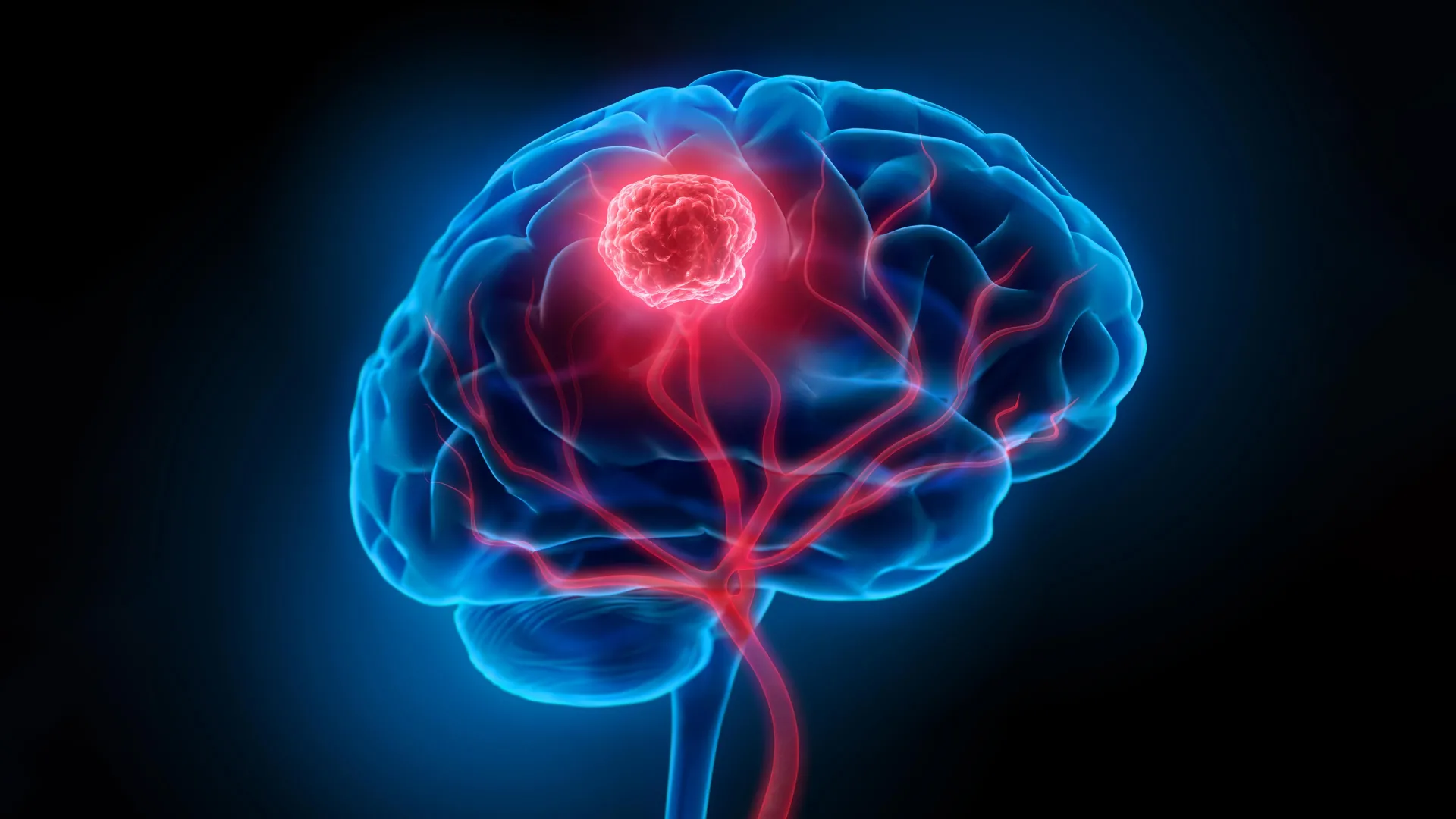
In the high-stakes arena of pediatric oncology, few diagnoses carry as much weight as diffuse midline glioma (DMG). An aggressive, lethal brain cancer that infiltrates the delicate architecture of the brainstem, it has long remained beyond the reach of conventional medicine. However, researchers at the University of California, San Francisco (UCSF) have unveiled a pioneering therapeutic strategy that may finally tilt the scales in favor of patients.
By developing a "smart" immune cell therapy known as B-SYNC CAR-T, scientists have successfully engineered T cells that remain dormant while circulating through the body, activating their cancer-killing machinery only upon entering the brain. In preclinical models, this targeted approach has not only eradicated aggressive DMG tumors but has also provided durable, long-term immunity against recurrence.
The Challenge of Diffuse Midline Glioma (DMG)
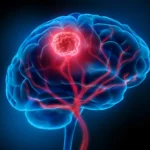
DMG represents one of the most formidable challenges in modern medicine. Because these tumors grow directly into the brainstem—the command center responsible for vital autonomic functions like respiration, heartbeat, and swallowing—they are largely inoperable. For the children diagnosed with this condition, the prognosis is devastating: the vast majority succumb to the disease within twelve months of diagnosis.
For decades, the standard of care has been limited to palliative radiation, which may temporarily shrink the tumor but fails to stop the inevitable progression. Conventional chemotherapy is often thwarted by the blood-brain barrier and the diffuse nature of the tumor cells, which weave themselves into healthy brain tissue. Consequently, the medical community has been in a desperate search for a more precise, systemic intervention.
The Evolution of CAR-T: From E-SYNC to B-SYNC
The breakthrough at UCSF is the latest milestone in a long-standing collaboration between Dr. Hideho Okada, a professor of Neurological Surgery, and Dr. Wendell Lim, a professor of Cellular and Molecular Pharmacology. Their journey to conquer brain cancer through immunotherapy has been iterative, building on the lessons learned from previous failures and successes.
The Foundation: The E-SYNC Precedent
In 2021, the team introduced "E-SYNC," an experimental therapy designed for glioblastoma. E-SYNC utilized a sophisticated molecular sensing system called synNotch. This system acted as a gatekeeper: it was programmed to detect EGFRvIII, a mutation found in some glioblastoma cells. Only when the immune cell encountered this specific mutation would it produce a Chimeric Antigen Receptor (CAR) to attack the tumor.
While E-SYNC proved more effective than traditional CAR-T, it was limited by the biological heterogeneity of tumors. Only about 20% of patients possess the EGFRvIII mutation, and even in those cases, tumor cells can evolve to lose the protein, effectively "hiding" from the immune response. To reach a wider population, the UCSF team needed a more universal "key" to unlock the immune cell’s potential.
The Breakthrough: Brevican as a Beacon
The turning point came when the researchers identified brevican, a protein abundant throughout the brain. By redesigning the synNotch system, the team created B-SYNC. In this iteration, the T cells ignore the specific mutations of the tumor and instead look for the environment of the brain itself.
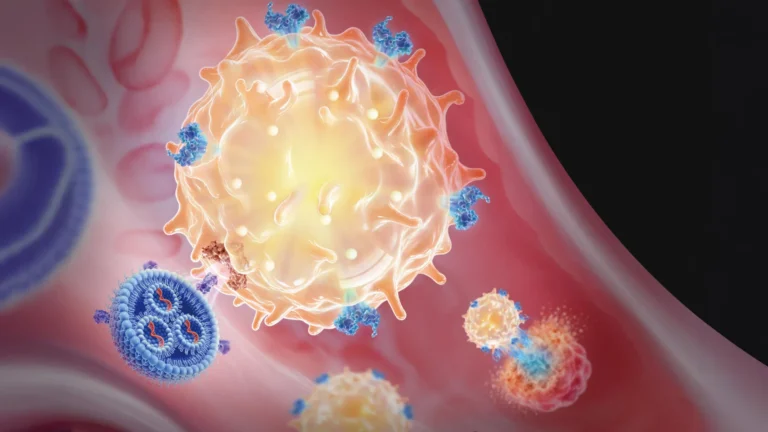
Once the B-SYNC CAR-T cells enter the brain and encounter brevican, the synNotch sensor is tripped, triggering the production of receptors that hunt for two critical tumor-associated proteins: EphA2 and IL13Rα2. By leveraging a brain-specific protein as the signal for activation, the therapy effectively gains "eyes" only when it reaches its intended destination.
Chronology of a Laboratory Success
The development of B-SYNC has been a masterclass in synthetic biology, moving rapidly from concept to animal validation.
- 2021: Publication of the E-SYNC glioblastoma findings, establishing the viability of the synNotch platform.
- 2022–2023: Optimization of the brevican-sensing mechanism, shifting focus from mutation-dependent activation to environment-dependent activation.
- 2024: Senthilnath Lakshmanachetty, PhD, leads a series of rigorous experiments in mice implanted with human DMG cells.
- October 2024: Findings are published in Science Translational Medicine, detailing the total elimination of tumors in mouse models.
- Current Phase: The team is transitioning from laboratory validation to manufacturing protocols and regulatory filings for clinical trials.
- April 2027 (Projected): Commencement of Phase I human clinical trials at UCSF Health.
Supporting Data: Why B-SYNC Outperforms
The superiority of B-SYNC over conventional CAR-T therapies was underscored by the dramatic results in the UCSF laboratory. When researchers administered the cells intravenously to mice, they observed that the CAR receptors remained unexpressed in the blood and spleen—a crucial design feature that minimizes the "off-target" toxicity that often plagues CAR-T therapies.
The most striking results occurred when the therapy was administered via intracerebroventricular (ICV) injection. This delivery method introduces the engineered cells directly into the cerebrospinal fluid within the brain’s ventricles. In two separate mouse models of human DMG, the treatment achieved a 100% cure rate.
Perhaps more importantly, the therapy demonstrated long-term persistence. Seven weeks after the initial tumor clearance, researchers re-introduced DMG cancer cells to the mice. The "patrolling" B-SYNC cells immediately recognized and destroyed the new arrivals. Observations revealed that these T cells remained functional for over 70 days—a significant duration in a mouse model, suggesting that the cells do not succumb to the typical "exhaustion" that renders conventional CAR-T cells ineffective over time.
Official Perspectives and Expert Commentary
The researchers believe the key to this durability lies in the dormancy of the cells. In standard CAR-T therapy, cells are "always on," which can lead to metabolic burnout. By keeping the B-SYNC cells inactive until they reach the brain, the cells remain fresh and potent, ready to deploy their lethal payload only when necessary.
"It’s been a struggle to make CAR-T cells that overcome DMG without causing unacceptable side effects," said Dr. Hideho Okada, co-corresponding author of the study. "By limiting B-SYNC’s CAR expression to when and where it matters—in the brain—we saw consistent, total shutdown of DMG tumors in the lab."
Dr. Sabine Mueller, director of the UCSF Pediatric Brain Tumor Center and a key figure in the upcoming clinical trials, echoes this sentiment with a sense of urgency. "Diffuse midline glioma is a heartbreaking diagnosis for patients and their families," Mueller stated. "This preclinical data is very promising. Mice with DMG are being cured, and we are incredibly excited to bring this therapy to the children and young adults we care for. This is exactly the kind of innovative approach they deserve."
Implications for Future Oncology
The potential implications of B-SYNC extend far beyond DMG. By proving that synthetic biology can be used to "program" the location of immune activation, the UCSF team has provided a blueprint for treating other solid tumors that have previously been resistant to immunotherapy.
Clinical Implementation
As the team prepares for the 2027 trials, the logistical framework is already being established. The trial will involve extracting a patient’s own T cells, genetically engineering them to carry the B-SYNC circuitry, and then re-infusing them. For those receiving ICV administration, surgeons will implant a specialized shunt—a small reservoir beneath the scalp—allowing for repeated dosing without the need for recurring brain surgery. This patient-centered approach is designed to balance efficacy with the quality of life of the pediatric patients.
A Paradigm Shift in Precision Medicine
The success of B-SYNC marks a shift from "brute force" oncology to "smart" intervention. Rather than flooding the body with immune cells that attack indiscriminately, researchers are creating a sophisticated, context-aware biological machine. This paradigm could eventually be adapted for a wide variety of diseases, turning the body’s own immune system into a highly precise, location-specific surgical tool.
While the leap from mouse models to human patients is always fraught with uncertainty, the data generated by the UCSF team offers a rare glimmer of optimism. For a disease that has seen little progress in decades, B-SYNC represents not just an incremental improvement, but a fundamental change in how we perceive the potential for healing the most complex organ in the human body. As the scientific community looks toward the clinical trials of 2027, the focus remains on transforming this laboratory triumph into a life-saving reality for the children who need it most.