






For decades, the Mediterranean diet has been the gold standard of nutritional science, consistently linked to lower rates of heart disease, metabolic disorders, and cognitive decline. Yet, while the epidemiological evidence is robust, the specific "how" has remained somewhat elusive. Now, a groundbreaking study from the USC Leonard Davis School of Gerontology is peeling back the curtain on the cellular machinery that translates olive oil and legumes into long-term health, revealing a sophisticated biological mechanism mediated by "microproteins" generated within our cells’ powerhouses.
Main Facts: The Mitochondrial Connection
The study, led by researchers at the University of Southern California, has identified a critical pathway involving two mitochondrial microproteins: humanin and SHMOOSE. These tiny, often overlooked molecules appear to serve as molecular messengers, relaying the physiological benefits of a nutrient-dense diet directly to the cell’s internal operations.
Mitochondria are famously known as the "powerhouses" of the cell, responsible for converting nutrients into the ATP (energy) that fuels life. However, this study posits that their role is far more expansive. They are not merely furnaces; they are command centers that respond to the chemical signatures of our food. When participants adhered closely to a Mediterranean-style diet—rich in healthy fats, fiber, and lean proteins—their levels of these microproteins surged. This, in turn, correlated with lower levels of oxidative stress, a primary driver of the aging process and chronic disease.
A Chronological Perspective: Two Decades of Discovery
The discovery of humanin and SHMOOSE is the culmination of over 20 years of dedicated research into the "dark matter" of the genome.
- 2003: Dr. Pinchas Cohen, Dean of the USC Leonard Davis School and a pioneer in the field, was instrumental in the initial identification of humanin. Early research immediately linked this peptide to insulin sensitivity, cardiovascular health, and the preservation of neuronal integrity.
- The Mid-2010s: Research into mitochondrial DNA (mtDNA) shifted focus. Scientists began to realize that the "nonfunctional" segments of mtDNA, once dismissed as genetic junk, were actually home to open reading frames (ORFs) that encode biologically active, small proteins.
- Recent Years: The discovery of SHMOOSE (Small Human Mitochondrial ORF Over SErine tRNA) expanded the scientific understanding of these peptides. Genetic variations of SHMOOSE were found to be linked to Alzheimer’s risk, suggesting that this molecule might be a vital shield against neurodegeneration.
- The Present: The current USC study represents a synthesis of these findings with clinical nutrition, establishing for the first time a direct association between human food intake and the expression of these mitochondrial regulators.
Supporting Data: Diet and Molecular Markers
To investigate the link, the research team analyzed blood samples from a cohort of older adults, categorizing them by their degree of adherence to the Mediterranean diet. The data revealed a clear, dose-dependent relationship.
The Nutritional Map
The study pinpointed specific dietary staples associated with the elevation of these protective microproteins:
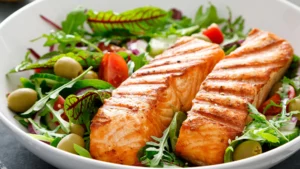
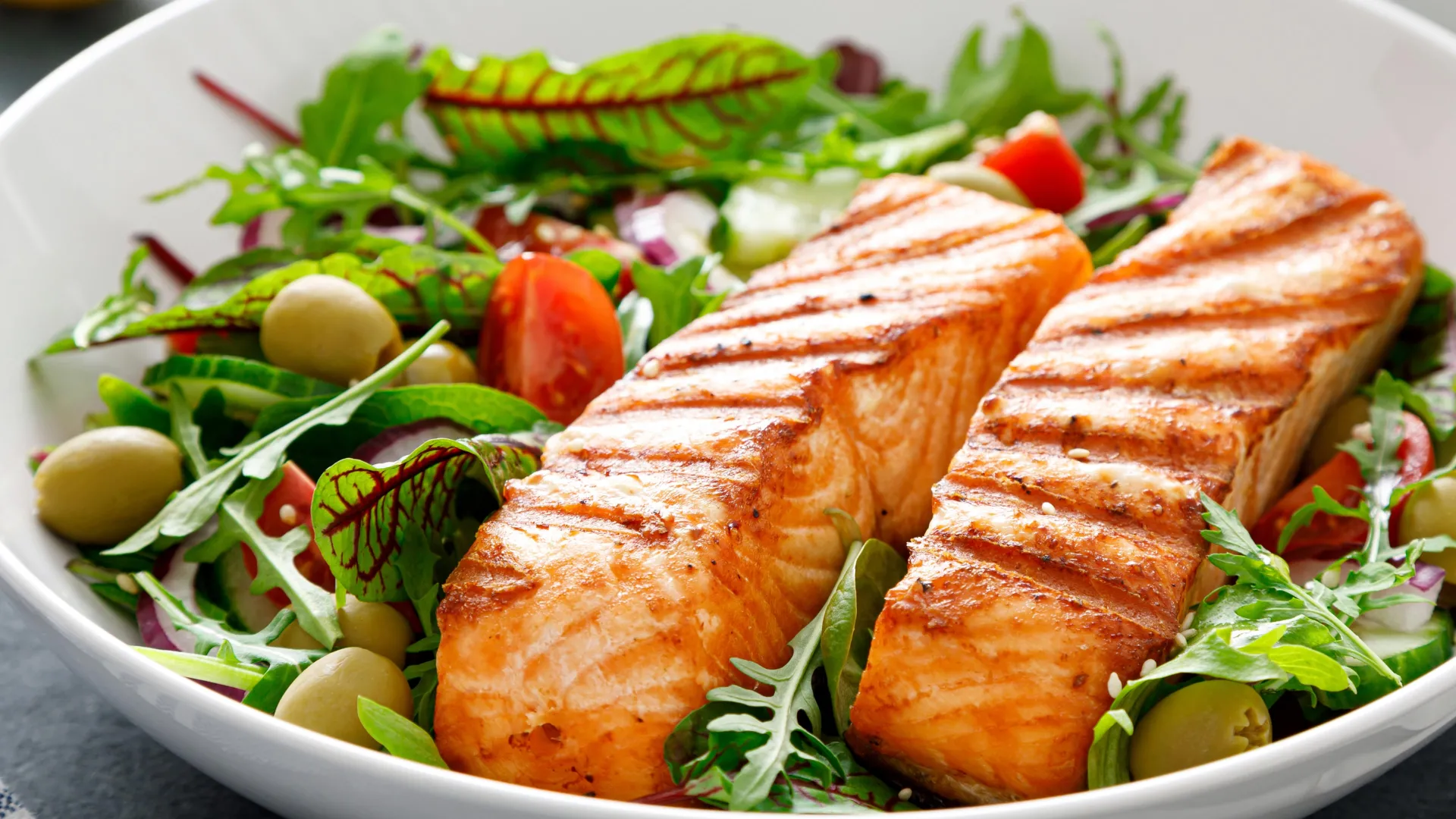
- Humanin: Primarily associated with the consumption of olive oil, fish, and legumes.
- SHMOOSE: Associated with olive oil intake and, crucially, the reduction of refined carbohydrates.
The contrast between these healthy staples and refined carbohydrates—white bread, processed sugars, and pastries—is stark. Refined carbohydrates are stripped of the fiber and complex nutrients that provide the "information" cells need to maintain homeostasis. By minimizing these in favor of whole, Mediterranean-style foods, the participants showed reduced markers of oxidative stress.
Oxidative stress occurs when reactive oxygen species (ROS) overwhelm the body’s antioxidant defenses. These harmful molecules act like cellular rust, damaging DNA and proteins. The study suggests that humanin may specifically inhibit an enzyme called Nox2, which is a primary driver of harmful ROS production in blood vessels. By keeping Nox2 in check, humanin acts as a biological bodyguard for the cardiovascular system.
Official Responses and Expert Insights
The implications of this research were underscored by the lead authors, who view this as a bridge between traditional wisdom and modern precision medicine.
"These microproteins may act as molecular messengers that translate what we eat into how our cells function and age," says Roberto Vicinanza, Instructional Associate Professor of Gerontology at USC. "It’s a new biological pathway that helps explain why the Mediterranean diet is so powerful."
Dr. Pinchas Cohen, the study’s senior author, highlights the utility of these molecules as diagnostic tools. "These findings suggest that specific components of the Mediterranean diet may directly influence mitochondrial biology. Humanin and SHMOOSE could serve as biomarkers for adherence to the Mediterranean diet and have clinical significance."
For the researchers, the goal is to shift the paradigm of nutrition from general advice to "precision nutrition." If these microproteins can be measured accurately, clinicians could one day use them to monitor a patient’s response to dietary interventions, tailoring plans that optimize cellular health based on an individual’s unique biological readout.
Implications: The Future of Healthy Aging
The discovery has far-reaching implications for public health, aging, and the way we conceptualize nutrition.
Redefining Precision Nutrition
Currently, most dietary guidelines are broad. The ability to track mitochondrial microproteins offers a "biological thermometer" for diet. If a patient is not seeing an increase in SHMOOSE or humanin, a nutritionist could adjust their intake of specific legumes or healthy fats until the desired molecular markers are reached. This creates a feedback loop that makes diet an active, measurable treatment rather than a passive lifestyle choice.
The Ancient-Modern Link
The study also highlights a fascinating evolutionary angle. Mitochondria are believed to be ancient bacteria that formed a symbiotic relationship with early eukaryotic cells. Dr. Vicinanza notes that these organelles are likely "adapted" to the types of food that have been available for most of human history—whole, unprocessed, and nutrient-dense. When we flood our systems with ultra-processed, refined foods, we are essentially sending conflicting signals to our mitochondria, potentially triggering the stress responses that accelerate aging.
Global Advocacy
The research supports a movement beyond the lab. Dr. Vicinanza has been a vocal advocate for the Mediterranean diet as a tool for environmental and cultural sustainability. Through his collaboration with the Municipality of Pollica, Italy, he helped establish the International Day of the Mediterranean Diet (observed annually on November 16th). This effort aims to emphasize that healthy eating is not just a scientific prescription; it is a cultural heritage that preserves both human longevity and the health of the planet.
Limitations and Future Directions
While the results are compelling, the research team remains cautious. Because the study was observational, it cannot definitively prove causation. It is possible that individuals with naturally healthier cellular function are more inclined to choose Mediterranean foods, rather than the diet being the sole cause of the microprotein surge.
"Our goal is to move from observing associations to understanding causality," Vicinanza says. The next phase of research will likely involve controlled intervention trials to see if moving people from a standard Western diet to a strict Mediterranean regimen triggers a predictable, measurable rise in humanin and SHMOOSE levels.
Conclusion
The USC study provides a sophisticated, modern rationale for one of the oldest health secrets in history. By identifying humanin and SHMOOSE, researchers have given us a window into the "hidden language" of the cell. We now have a clearer understanding that our diet is not merely providing calories; it is providing the instructions for our cellular machinery to either thrive or succumb to the pressures of time.
As we look toward the future of medicine, these tiny proteins may prove to be the key to unlocking a longer, healthier life—a testament to the fact that the secret to longevity may have been on our dinner plates all along.