










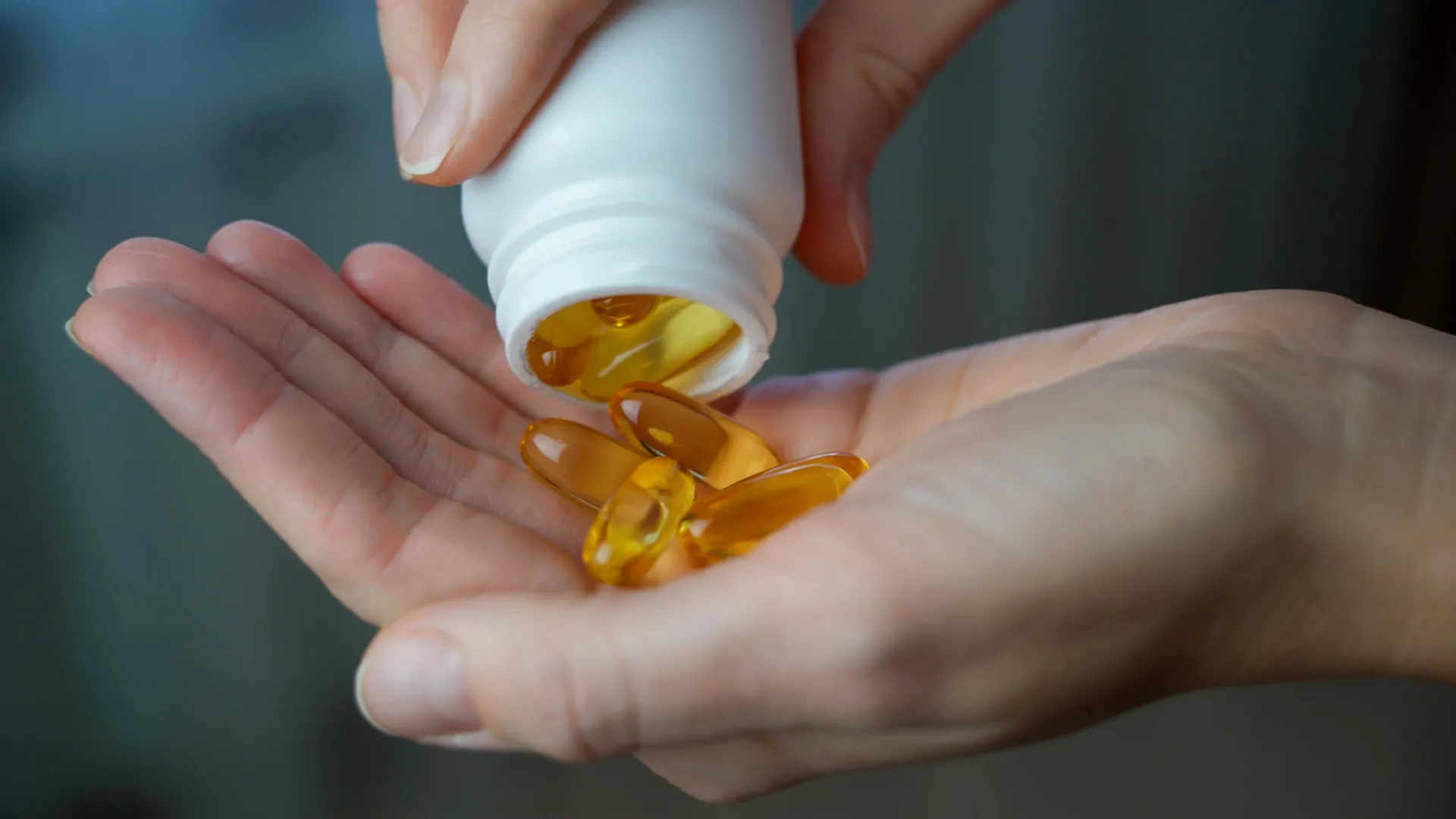
In a significant discovery that bridges the gap between metabolic health and immunology, researchers in China have unveiled a potential new therapeutic avenue for psoriasis—a chronic, often debilitating autoimmune condition that affects millions worldwide. The study, published on October 27 in the Journal of Experimental Medicine (JEM), suggests that pantethine, a widely available nutritional supplement derived from vitamin B5, may be capable of reining in the hyperactive immune cells that drive psoriatic inflammation.
By uncovering an unexpected biological link between cholesterol synthesis and the behavior of dendritic cells, the research team has not only provided a potential new treatment strategy but has also shed light on why metabolic health is so intrinsically tied to autoimmune disease progression.
The Core Discovery: A New Metabolic Pathway
At the heart of the study is a complex interplay involving the Vanin family of enzymes and the cellular production of cholesterol. While cholesterol is traditionally viewed through the lens of cardiovascular health, the research team—led by Wei-Na Zhang of the State Key Laboratory of Biomedical Analysis in Beijing—found that it plays a surprisingly influential role in the immune system’s "command center."
Dendritic cells act as the body’s sentinels; they identify potential threats and coordinate the immune response by presenting antigens to T cells. In a healthy state, this process is tightly regulated. However, in patients with psoriasis, these cells become overactive, triggering a cascade of persistent inflammation.
The researchers discovered that in these overactive dendritic cells, levels of Vanin enzymes are abnormally high. Vanins are responsible for breaking down pantethine into vitamin B5. When Vanin levels surge, they deplete the cell of pantethine. This depletion, the study shows, leads to an increase in intracellular cholesterol production, which in turn acts as a "gas pedal" for dendritic cell activation. By introducing pantethine, the researchers effectively cut off the fuel supply for this inflammatory pathway, calming the immune cells and curbing the autoimmune response.
Chronology of the Research
The path to this discovery was a multi-stage investigation that moved from the molecular level to animal models and, finally, to a human pilot study.
Phase 1: Identifying the Vanin Connection
The researchers began by analyzing the genetic and metabolic profiles of dendritic cells taken from patients with psoriasis. They identified a consistent pattern: elevated Vanin expression correlated directly with the severity of the inflammatory response. Laboratory experiments confirmed that when they artificially suppressed Vanin levels, the dendritic cells’ ability to stimulate T cells—the primary drivers of psoriatic plaques—diminished significantly.
Phase 2: Preclinical Success in Mice
Having established a potential mechanism, the team moved to animal models. Mice genetically predisposed to developing psoriasis-like skin lesions were treated with a pharmacological inhibitor of Vanins. The results were striking: the development of psoriatic symptoms was successfully prevented, suggesting that targeting this enzyme could be a viable therapeutic strategy.
Phase 3: The Human Pilot Trial
Encouraged by the laboratory success, the team initiated a small-scale clinical trial to see if these findings held true in a clinical setting. Twenty-four patients with psoriasis were enrolled. All participants were prescribed a standard topical ointment (calcipotriene/betamethasone), but half were randomized to receive oral pantethine supplements in addition to their topical treatment. The trial lasted 12 weeks, during which researchers tracked symptom improvement.
Supporting Data and Clinical Evidence
The data resulting from the 12-week human trial provides a compelling, if preliminary, argument for the efficacy of pantethine. Patients who received the supplement alongside their standard topical treatment showed a more significant reduction in the Psoriasis Area and Severity Index (PASI) scores compared to those who used the ointment alone.
Perhaps most revealing was the subgroup analysis: patients who had high blood cholesterol levels at the start of the study showed the most pronounced benefits from the pantethine supplementation. This aligns with the researchers’ hypothesis that the "Vanin-pantethine-cholesterol axis" is particularly influential in patients whose metabolic state may be exacerbating their autoimmune condition.
While the sample size of 24 participants is small by pharmacological standards, the consistency of the results across the laboratory, murine, and human cohorts provides a strong "proof-of-concept." The study suggests that for a specific subset of psoriasis patients—those with underlying metabolic dysregulation—a simple, non-toxic supplement might serve as a powerful adjunctive tool to improve quality of life.
Official Responses and Expert Perspective
The research team, which included experts from the State Key Laboratory of Biomedical Analysis and the First Medical Center of the Chinese PLA General Hospital, has been careful to frame these findings as a foundation rather than a final cure.
"Emerging evidence highlights that metabolic pathways and their associated metabolites play vital roles in regulating immune cell function and autoimmune progression," says Wei-Na Zhang. "But therapeutic strategies targeting metabolism in inflammatory diseases remain underexplored."
Zhang emphasizes that while the results are encouraging, they should be interpreted with scientific rigor. "Our investigator-initiated clinical trial demonstrated encouraging therapeutic efficacy of pantethine as an adjunctive therapy in psoriasis, but these findings should be interpreted as proof-of-concept for clinical feasibility rather than direct mechanistic validation," Zhang noted.
The team acknowledges that the human trial did not definitively prove that the exact biological mechanism observed in the lab—the specific modulation of cholesterol inside dendritic cells—is solely responsible for the improvements seen in the patients. Larger, double-blind, placebo-controlled trials will be required to rule out the placebo effect and to determine the optimal dosage and long-term safety profile of pantethine for psoriasis patients.
Implications for Future Medicine
The implications of this research extend far beyond psoriasis. If the Vanin-pantethine-cholesterol axis is indeed a primary regulator of dendritic cell activation, the potential for therapeutic intervention could reach into other autoimmune disorders characterized by similar immune dysregulation, such as lupus or rheumatoid arthritis.
1. A New Paradigm in Autoimmune Treatment
Traditionally, psoriasis treatments have focused on either suppressing the immune system globally (via systemic immunosuppressants) or targeting specific cytokines like TNF-alpha or IL-17. This study suggests a third path: metabolic reprogramming. By modifying the metabolic environment of the immune cell rather than simply blocking its receptors, physicians may be able to "reset" immune function with fewer side effects than traditional biologics.
2. The Rise of "Metabolic Immunology"
The success of this study reinforces the growing field of metabolic immunology. It highlights that the body’s nutritional state and its metabolic waste products are not just byproducts of life—they are active signaling molecules that dictate how our defense systems function. As we learn more about how cholesterol, glucose, and fatty acid metabolism influence T cell and dendritic cell behavior, we are likely to see an increase in "metabolic-targeting" drugs.
3. Accessible and Affordable Care
One of the most appealing aspects of this research is the use of pantethine. Unlike complex monoclonal antibodies, which can cost tens of thousands of dollars per year, pantethine is an affordable, widely available supplement. If future, larger-scale trials confirm the efficacy of this treatment, it could provide a highly accessible option for patients, particularly in regions where expensive biologic therapies are out of reach.
Conclusion: Caution and Optimism
The discovery by the Beijing-based team is a testament to the power of looking at old diseases through new lenses. By connecting the dots between enzyme activity, vitamin derivatives, and lipid metabolism, they have offered a fresh perspective on a disease that has historically been difficult to manage.
However, for patients eager to try this approach, a note of caution is necessary. While pantethine is generally considered safe, any dietary intervention—especially when used to manage an autoimmune condition—should only be undertaken under the guidance of a medical professional. The clinical trial described is a preliminary step, and it is crucial that patients do not discontinue their prescribed, evidence-based treatments in favor of supplements until more robust, large-scale data is available.
As the scientific community turns its attention to this new metabolic axis, the prospect of managing psoriasis through the fine-tuning of cellular metabolism looks increasingly bright. The study in the Journal of Experimental Medicine serves as a promising blueprint, marking a potential turning point in how we understand and treat the complex relationship between our metabolism and our immune defenses.