








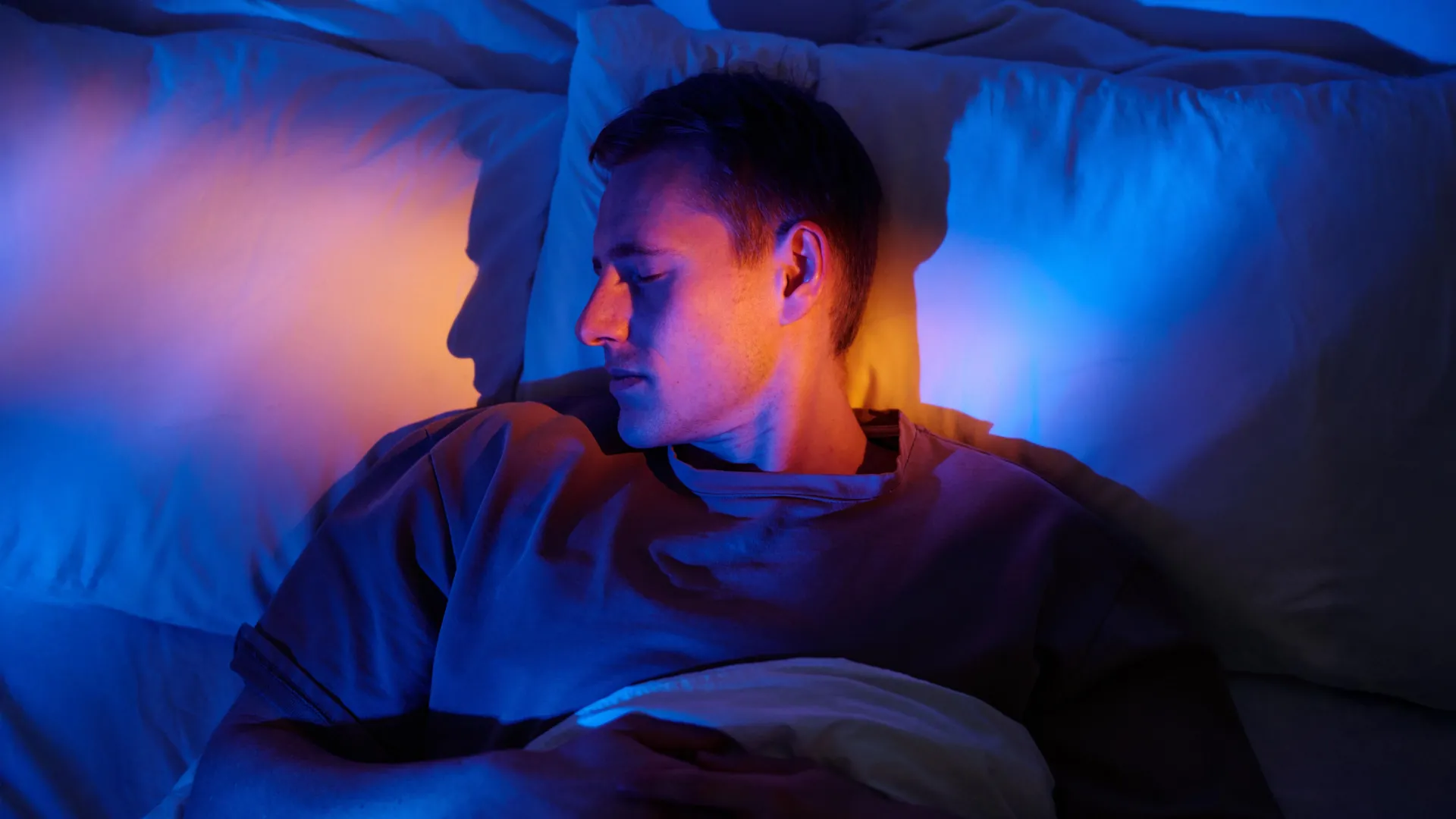
In an era defined by artificial illumination, the boundary between day and night has become increasingly porous. From the omnipresent glow of smartphones to the relentless flicker of urban streetlights, the modern human existence is rarely shrouded in true darkness. While the health consequences of light pollution—such as disrupted circadian rhythms and poor sleep quality—have long been a subject of scientific inquiry, a groundbreaking study published September 9 in the European Heart Journal suggests a more profound, internal consequence: our hearts are literally changing shape.
A study of over 11,000 individuals has established a definitive link between nighttime light exposure and structural and functional remodeling of the heart. This research, which provides some of the most compelling evidence to date, suggests that the "glowing planet" we have created may be directly contributing to a decline in cardiovascular efficiency, potentially paving the way for heart failure.
The Anatomy of the Study: Methodology and Scope
The research was spearheaded by Professor Lu Qi of Tulane University, New Orleans, USA. Recognizing the limitations of previous observational studies—which established correlations between light exposure and cardiovascular disease risk without identifying the underlying physiological mechanics—Professor Qi and his team sought to visualize the "silent" damage occurring within the chest.
A Three-Year Longitudinal Investigation
The study utilized data from the UK Biobank, an extensive repository of health information. The team recruited 11,071 participants, providing a robust sample size for statistical analysis. To ensure the accuracy of light exposure data, the methodology eschewed self-reporting, which is often prone to bias. Instead, each participant was equipped with a wrist-worn light sensor for a continuous seven-day period.
These sensors provided an objective, granular view of the participants’ nocturnal environments. Three years later, these same individuals underwent advanced cardiac MRI scans. By comparing the initial light exposure data with the subsequent structural imaging, the researchers were able to create a bridge between ambient light levels and long-term cardiac health. The study specifically compared those living in environments with nighttime light levels above three lux—roughly equivalent to the light emitted by a nightlight or a streetlamp filtering through thin curtains—against those exposed to near-total darkness.
Structural Remodeling: What the Scans Revealed
The findings from the MRI scans were startling. Participants exposed to higher levels of nocturnal light exhibited clear signs of "cardiac remodeling," a process typically reserved for hearts under chronic stress or recovering from acute injury.
Left Ventricular Thickening
The most prominent finding was the thickening of the wall of the left ventricle, the heart’s primary pumping chamber. As the wall thickens—a condition known as hypertrophy—the internal volume of the chamber decreases. This reduction in space limits the volume of blood the heart can effectively pump with each beat.
Compromised Flexibility
Beyond the change in dimensions, the scans revealed that the heart muscle itself had become less flexible. Cardiac elasticity is essential for the heart to relax and refill with blood between beats. When the muscle stiffens, the heart struggles to maintain efficiency. Furthermore, the researchers detected similar changes in the right ventricles and the left atria, suggesting that the impact of nocturnal light is not localized but affects the heart’s entire hemodynamic system.
Professor Qi explains the severity of these findings: "This is the first study of its kind, and it shows that exposure to higher levels of light at nighttime is linked to cardiac remodeling. This is our body’s way of adapting to that stress, but ultimately it weakens the heart and can lead to heart failure."
The Biological Connection: Why Darkness Matters
To understand why a light bulb could cause a heart to thicken and stiffen, one must look at the body’s internal clock. Humans have evolved over millions of years to be entrained by the natural cycle of solar light and dark.
When light hits the retina at night, it sends a signal to the suprachiasmatic nucleus in the brain, which suppresses the production of melatonin. Melatonin is not merely a "sleep hormone"; it is a potent antioxidant and a key regulator of metabolic and cardiovascular function. Chronic suppression of melatonin, combined with the dysregulation of the autonomic nervous system—which remains in a state of "high alert" when exposed to light—creates a state of oxidative stress. Over months and years, this constant, low-level physiological strain forces the heart to adapt by thickening its walls, a precursor to chronic hypertension and, eventually, heart failure.
Expert Commentary: The "Vital Sign" Perspective
The publication of the study was accompanied by a powerful editorial from Professor Thomas Münzel of the University Medical Center Mainz, Germany, and his colleagues. Their response serves as a clarion call to the medical community, urging a paradigm shift in how clinicians approach patient health.
The Clinical Call to Action
Professor Münzel argues that the medical community has been too slow to integrate environmental factors into the diagnostic process. "It is time for clinicians, particularly those managing patients with heart failure or atrial fibrillation, to start asking about the sleep environment," the editorial states.
The editorial suggests that doctors should incorporate "sleep hygiene screening" into their standard consultations. Questions regarding the darkness of the bedroom, nighttime shift work, and screen usage after sunset are not merely lifestyle inquiries—they are diagnostic necessities for preventing long-term cardiovascular decline.
Simple Interventions for Complex Problems
The beauty of the solution lies in its simplicity. According to Professor Münzel, the risks associated with nocturnal light can be mitigated through low-cost, high-impact changes:
- Blackout Curtains: Blocking external light pollution from entering the sleeping space.
- Warm-Coloured Lighting: Using amber or red-spectrum lamps instead of blue-heavy "cool" light, which is more disruptive to melatonin production.
- Device Management: Covering or removing standby LEDs on electronics and avoiding blue-light-emitting screens in the hour before sleep.
Public Health Implications: A City-Level Strategy
The editorial extends the scope of the problem from the individual bedroom to the urban landscape. Light pollution, while pervasive, is one of the few environmental hazards that can be addressed directly and affordably by municipal governments.
Reimagining Urban Infrastructure
Cities are often bathed in inefficient, high-intensity light that spills into residential areas. The editorial suggests that policymakers prioritize:
- Shielded Fixtures: Ensuring streetlights point downward to minimize skyglow and light trespass.
- Warm-Spectrum Bulbs: Replacing harsh, blue-white LED street lighting with warmer, lower-intensity spectra.
- Adaptive Lighting: Implementing motion-activated sensors that dim streetlights when no traffic or pedestrians are present, reducing energy consumption and light pollution simultaneously.
By shifting public policy toward these standards, cities can create a "darker" nocturnal environment without compromising safety or visibility.
Conclusion: Darkness as a Health Metric
The research led by Professor Qi provides a definitive link between the "glowing" modern environment and the clinical reality unfolding inside the human chest. The study is more than an observational data point; it is a warning. As the planet becomes progressively brighter, the human heart is struggling to keep pace, becoming stiffer, weaker, and less efficient.
The evidence is clear: the dose-response relationship between light and cardiac health is unambiguous—more light leads to worse outcomes. It is time to treat darkness not as an absence of something, but as a vital resource. Much like blood pressure control, blood sugar regulation, and the reduction of air pollution, the cultivation of darkness must be recognized as an essential component of cardiovascular health.
As we move forward, the "simple" advice of closing the curtains or dimming the lights may prove to be one of the most effective, accessible, and life-saving medical interventions of the 21st century. The path to a healthier heart may start, quite literally, by turning out the lights.