





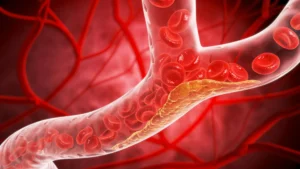


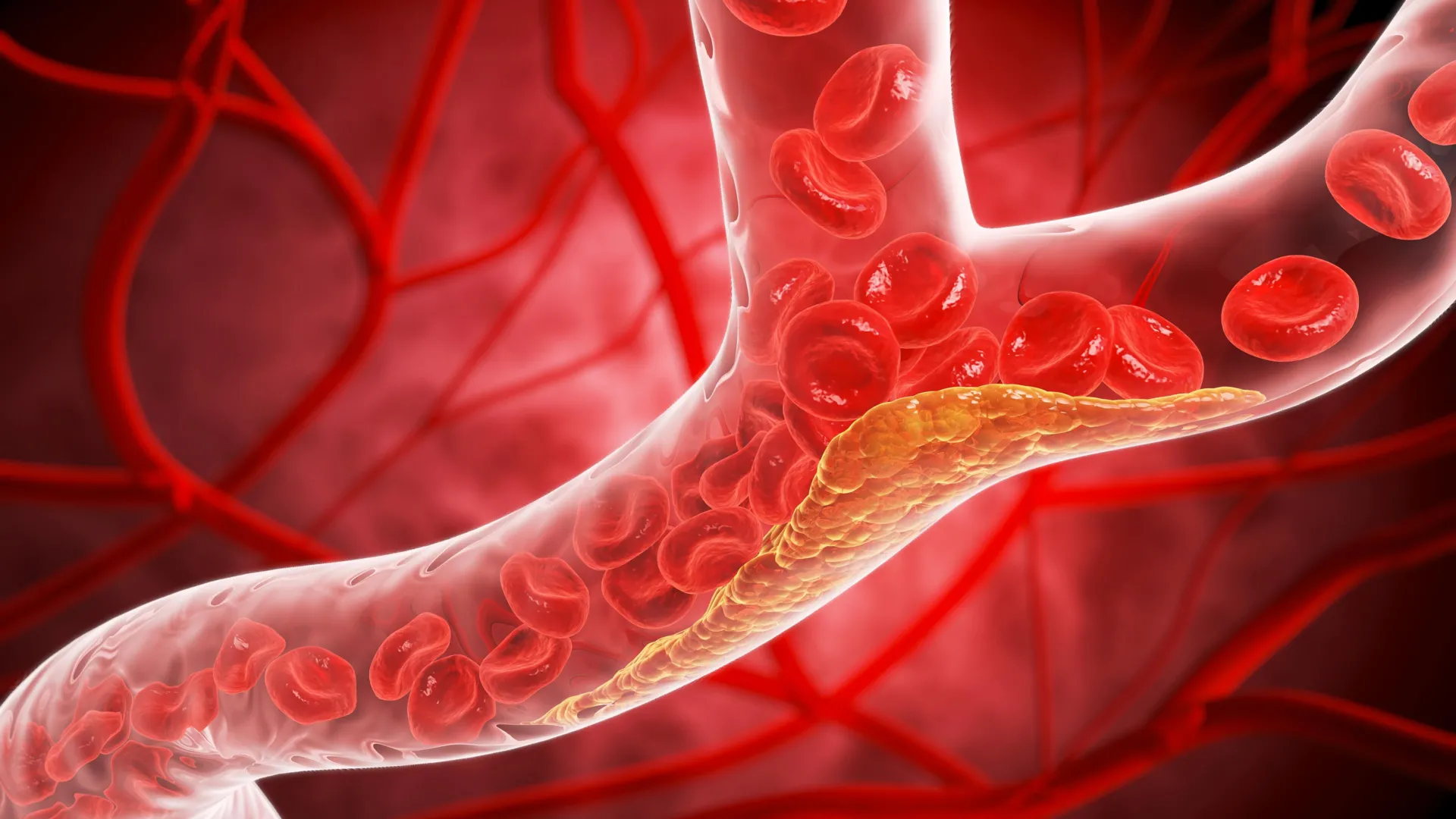
Heart disease remains the most formidable adversary to global public health, standing as the leading cause of mortality worldwide. Despite decades of pharmaceutical innovation and the widespread adoption of statins and PCSK9 inhibitors, millions of patients continue to grapple with dangerously high low-density lipoprotein (LDL) cholesterol—often referred to as "bad" cholesterol. For many, current treatments fall short of safety targets, while others face debilitating side effects that necessitate the discontinuation of life-saving therapies.
Now, a breakthrough discovery from the University of California San Diego (UCSD) School of Medicine offers a ray of hope. Researchers have identified a previously unknown biological pathway that explains how high-cholesterol diets systematically undermine the liver’s ability to purge the bloodstream of lipids. More importantly, this discovery points toward a repurposed therapeutic candidate that has already cleared initial human safety trials, potentially fast-tracking a new class of cholesterol-lowering medication.
The Mechanism: How the Liver Manages Lipids
To understand the magnitude of this discovery, one must first understand the liver’s role as the body’s primary filtration system for lipids. The liver manages cholesterol by acting as a docking station. Liver cells are studded with LDL receptors—specialized protein structures that identify, capture, and internalize LDL cholesterol circulating in the bloodstream.
Once inside the cell, the cholesterol is broken down and processed, preventing it from accumulating in the arteries, where it would otherwise form the plaques responsible for heart attacks and strokes. The efficacy of modern medicine hinges on these receptors; statins, for instance, work by stimulating the liver to increase the number of these receptors, effectively creating more "docking stations" to clear the blood.
However, clinical experience has shown that in many individuals, this process is not enough. The UCSD team, led by Dr. Alan Saltiel, sought to answer a long-standing mystery: why does a high-cholesterol diet seem to cause the liver’s clearance mechanism to deteriorate over time?
Chronology of a Scientific Breakthrough
The path to this discovery was paved through rigorous, multi-year investigation involving both mouse models and human cellular assays. The research, published recently in the journal Nature, unfolds through a series of key scientific milestones:
- Identifying the Protein Actor: The team began by examining the Ral protein, a molecule Dr. Saltiel had previously studied in the context of fat cell signaling. They discovered that when an individual consumes a diet high in cholesterol, the Ral protein becomes abnormally activated.
- The Signaling Cascade: Once activated, Ral initiates a biological chain reaction that ultimately triggers the degradation of LDL receptors. As the activity of Ral increases, the number of functional receptors on the surface of liver cells decreases, leaving the body unable to clear LDL effectively.
- The Enzymatic Culprit: The researchers further identified an enzyme, cathepsin A (CTSA), as a primary driver of this destructive process. By isolating CTSA, the team determined that it plays a critical role in destabilizing the receptors.
- The Proof of Concept: In a series of experiments, the researchers utilized a small-molecule inhibitor to block the activity of the CTSA enzyme. The results were immediate and profound: the LDL receptors were stabilized, their numbers on the cell surface increased, and circulating LDL levels in the test subjects plummeted.
Supporting Data and the "Hidden" Pathway
The data indicates that this newly identified pathway is entirely distinct from the metabolic routes targeted by current cholesterol-lowering drugs. Current medications generally focus on the synthesis of cholesterol or the regulation of receptor recycling via different proteins. By identifying the Ral-CTSA axis, researchers have essentially found a "side door" that had been invisible to medical science until now.
This distinction is of paramount importance. Because the mechanism is independent of existing pathways, the resulting treatments could provide a vital lifeline for "treatment-resistant" patients—those whose cholesterol levels remain dangerously high despite adherence to statin or PCSK9 inhibitor regimens.
Official Responses and Clinical Perspectives
Dr. Alan Saltiel, senior author of the study and director of the UC San Diego/UCLA Diabetes Research Center, emphasized the collaborative nature and the practical implications of the work.
"We’ve known for a long time that a high-cholesterol diet reduces the liver’s ability to clear cholesterol from the blood, but we didn’t fully understand why," Dr. Saltiel noted. "This new discovery explains a critical piece of that puzzle. There’s still a real need for new cholesterol-lowering options, since some people can’t get to safe levels even with the drugs we have now. This new pathway we discovered is completely separate from anything that existing drugs target, so it gives us a new opportunity to fill that gap."
The research team, which includes a wide array of specialists from UCSD, the University of California, San Francisco (UCSF), the University of Texas Health Science Center, and the University of Utah, has established a clear roadmap for future clinical application.
A Fast-Track to Treatment: The Repurposing Strategy
Perhaps the most exciting aspect of this study is the potential for accelerated drug development. In the pharmaceutical industry, the process of bringing a new drug to market typically takes over a decade. However, the researchers discovered that a CTSA inhibitor already exists.
The drug was originally developed by another entity as a potential treatment for heart failure. While that development program was eventually shelved for strategic business reasons, the compound had already successfully progressed through a Phase 1 clinical trial. In these trials, the drug was rigorously evaluated for safety and dosage, and it passed those initial benchmarks for human consumption.
Because the safety profile has already been established, the researchers believe they can bypass the early stages of preclinical development. They are now positioned to advocate for a Phase 2 clinical trial, which would directly test the efficacy of the drug in humans specifically for the purpose of lowering cholesterol.
"Luckily, there’s an experimental drug sitting on the shelf that’s already been shown to be safe in humans," Dr. Saltiel said. "We hope to test whether this might be effective by conducting a clinical trial—which could potentially bring a new treatment option to patients much sooner than would have been expected."
Implications for Future Cardiology
The discovery of the Ral-CTSA pathway represents a shift in how medical researchers view metabolic disease. Instead of viewing high cholesterol solely as a production issue, this study highlights the importance of the liver’s structural integrity and its ability to maintain docking receptors under the stress of dietary intake.
If the subsequent clinical trials confirm the findings observed in the laboratory, this treatment could become a cornerstone of personalized medicine. By combining traditional statins with a new CTSA inhibitor, physicians might be able to target cholesterol from two different biological fronts, offering a more comprehensive solution for patients at high risk of cardiovascular disease.
Furthermore, this study underscores the immense value of "drug repurposing"—the practice of taking compounds that have already cleared safety hurdles and finding new, life-saving applications for them. In an era where the cost and time required to develop new drugs are at all-time highs, this approach offers a sustainable and efficient model for medical advancement.
As the scientific community awaits the results of the proposed Phase 2 trials, the findings from the Saltiel lab provide a concrete, evidence-based reason for optimism. For the millions of people living in the shadow of heart disease, this "hidden" biological pathway may eventually provide the missing link to a longer, healthier life.
The research was funded by the National Institutes of Health and an American Diabetes Association postdoctoral fellowship, highlighting the critical role of public and non-profit funding in fostering high-impact, foundational scientific discovery.