In the delicate world of neonatal and pediatric medicine, the tools used for diagnostics often present a paradox: they are essential for gathering critical health data, yet their physical presence can cause significant distress to the very patients they are meant to help. Traditional respiratory effort monitoring, which relies on bulky, restrictive elastic belts, has long been a source of discomfort for infants and children undergoing polysomnography (PSG) and neurodiagnostic testing.
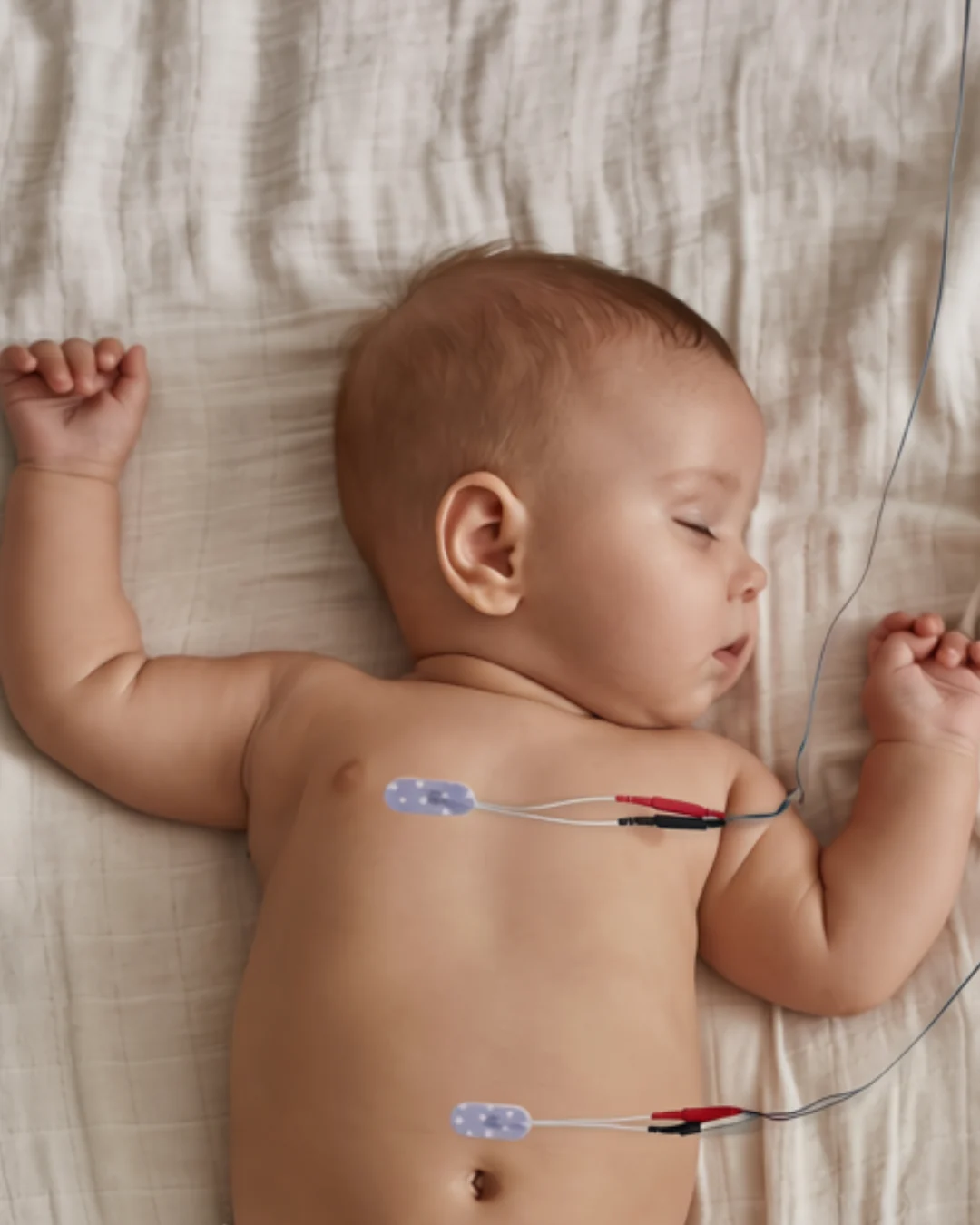
Recognizing this clinical challenge, Dymedix Diagnostics has officially launched the GentleTouch Respiratory Effort Patch, a pioneering solution that replaces cumbersome hardware with advanced, sensor-driven technology. By leveraging polyvinylidene fluoride (PVDF) technology, the company aims to redefine the standard of care for pediatric respiratory monitoring, offering a path toward higher data integrity and improved patient tolerance.
The Evolution of Respiratory Monitoring: Moving Beyond the Belt
For decades, the standard for measuring respiratory effort in sleep labs has been the use of inductive plethysmography belts. These devices, while effective at capturing chest and abdominal wall movement, are inherently invasive. For a neonate or an infant, the sensation of a tight band around the thorax or abdomen can lead to restlessness, agitation, and even sleep disruption—the very state that clinicians are attempting to monitor.
Dymedix Diagnostics’ introduction of the GentleTouch patch marks a significant shift in pediatric diagnostics. By eliminating the belt entirely, the company has addressed the "physical barrier" that often complicates pediatric sleep studies. The GentleTouch system functions as an adhesive sensor, placing the necessary technology directly on the patient’s skin, thereby removing the psychological and physical burden of restrictive monitoring apparatus.
Technical Foundation: The Power of PVDF
At the core of the GentleTouch solution is polyvinylidene fluoride (PVDF) technology. PVDF is a highly sensitive, piezoelectric polymer that generates an electrical charge in response to mechanical strain. In the context of respiratory monitoring, this means the sensor is exceptionally adept at detecting the minute physical expansions and contractions of the chest or abdomen.
Why PVDF Matters
The clinical utility of PVDF in pediatric settings is multifaceted:
High Sensitivity: Unlike older technologies that may require significant movement to trigger a signal, PVDF is sensitive enough to capture subtle respiratory efforts in neonates, whose breathing patterns can be rapid and shallow.
Fast Response Time: The near-instantaneous electrical response ensures that the respiratory waveform is captured in real-time, providing clinicians with precise data that correlates directly with the infant’s physiological state.
Artifact Reduction: Because the sensor is adhered directly to the skin, it minimizes the "sliding" or "shifting" artifacts common with elastic belts, which often move independently of the patient’s torso.
Chronology of Development and Market Introduction
The development of the GentleTouch patch did not occur in a vacuum. It is the culmination of years of R&D focused on the "Lullaby" line of sensors—a suite of products specifically engineered by Dymedix to meet the unique anatomical and sensory requirements of the youngest patients.
Phase 1: Identifying the Pain Point. Dymedix clinicians and engineers observed that a significant percentage of pediatric sleep studies were compromised by "lead-off" or "belt-slippage" issues caused by patient movement.
Phase 2: Material Science Innovation. The engineering team focused on miniaturizing PVDF sensors to a scale suitable for neonatal skin, ensuring biocompatibility and comfort.
Phase 3: Clinical Validation. Internal testing focused on signal-to-noise ratios, confirming that the patch could produce waveforms of equal or superior quality to traditional belts.
Phase 4: Official Launch. The announcement of the GentleTouch patch represents the commercial availability of this technology to sleep laboratories and neurodiagnostic centers worldwide, signaling a shift toward patient-centric diagnostic hardware.
Supporting Data: Enhancing Diagnostic Integrity
In the high-stakes environment of a sleep clinic, the quality of the data is paramount. Poor waveforms lead to inconclusive results, which in turn necessitate repeat studies—a costly and frustrating experience for both parents and clinical staff.
The GentleTouch patch is designed to mitigate these issues through superior adhesion and signal clarity. By providing a stable, reliable thoracic or abdominal waveform, the patch assists clinicians in distinguishing between central, obstructive, and mixed sleep apnea. Furthermore, the integration of this sensor helps clean up the signal profile, ensuring that respiratory effort does not get confused with external motion artifacts. This is particularly vital in the context of EEG (electroencephalogram) monitoring, where respiratory movement can often bleed into the neurodiagnostic data, causing "noise" that complicates the interpretation of brain wave activity.
Official Perspectives: Leadership Insights
The introduction of this technology has been met with enthusiasm from Dymedix leadership, who emphasize that the patch is more than just a new product—it is a philosophical commitment to pediatric patient experience.
Todd Eiken, Vice President of Product Development, noted in the company’s release:
"Incorporating PVDF technology into the GentleTouch respiratory effort patch results in a unique beltless monitoring solution. GentleTouch is very light and much more tolerable for sensitive patients. The PVDF technology provides an extremely fast response time and is exceptionally sensitive to respiratory effort movement."
For Eiken, the goal is to lower the "barrier to entry" for pediatric testing. By making the equipment feel less like a clinical device and more like a simple medical dressing, hospitals can reduce the stress levels of their patients, leading to more natural sleep during the observation period.
Troy Pridgeon, Vice President of Business Development, added:
"We are very excited to address the increased interest in respiratory monitoring solutions in neonates and infant neurodiagnostic procedures. The GentleTouch effort waveform will assist greatly in identifying respiratory movement artifact within EEG and other data."
This perspective underscores the versatility of the product. While designed primarily for sleep labs, the utility of the GentleTouch patch extends to the neonatal intensive care unit (NICU) and general neurodiagnostic suites, where clinicians are constantly balancing the need for data with the need to minimize patient handling.
Implications for the Future of Pediatric Care
The shift toward belt-free monitoring is likely to have a ripple effect across pediatric healthcare. Several key implications are already beginning to emerge:
1. Workflow Efficiency
Clinicians spend a significant amount of time adjusting and re-securing respiratory belts. The GentleTouch patch, which is applied quickly and requires minimal adjustment throughout the night, allows technicians to focus more on patient monitoring and less on equipment maintenance. This increased efficiency can lead to better turnover rates in sleep labs, allowing more patients to be seen in a shorter time frame.
2. Improved Data Quality
In the field of sleep medicine, "Time to Diagnosis" is a critical metric. By providing cleaner waveforms, the GentleTouch patch reduces the frequency of inconclusive studies. This leads to faster diagnosis and, consequently, earlier intervention for pediatric sleep disorders—a critical factor for the long-term health and development of children.
3. Patient and Parental Satisfaction
The pediatric population is perhaps the most challenging to monitor because they cannot verbalize their discomfort. Parents are often hesitant to allow their children to undergo complex diagnostic procedures involving restrictive gear. The "GentleTouch" branding reflects an industry-wide move toward "softer" medical technology, which can help alleviate parental anxiety and increase the overall compliance rates for necessary diagnostic testing.
4. Integration with Neurodiagnostics
The ability to clearly distinguish respiratory artifacts from EEG data is a major technical win. As neurodiagnostic procedures become more common in the diagnosis of complex infant conditions, the need for clean, artifact-free data is only growing. The GentleTouch patch serves as a bridge between respiratory monitoring and neurodiagnostic testing, ensuring that these two vital data streams remain distinct and actionable.
Conclusion: A New Standard for Sensitivity
As Dymedix Diagnostics rolls out the GentleTouch Respiratory Effort Patch, the message to the clinical community is clear: technology should not be an impediment to care. By successfully miniaturizing PVDF technology and stripping away the physical constraints of the respiratory belt, Dymedix has provided a solution that respects the physiological fragility of the neonate while meeting the rigorous data demands of the modern sleep laboratory.
This innovation represents more than just a hardware upgrade; it is an acknowledgment that in pediatric medicine, the patient experience is inextricably linked to the quality of the diagnostic outcome. As laboratories adopt this new technology, the industry can expect to see a marked improvement in the comfort of pediatric patients and the reliability of the life-saving data their clinicians rely upon every day. The future of pediatric diagnostics is not just smarter—it is, quite literally, gentler.