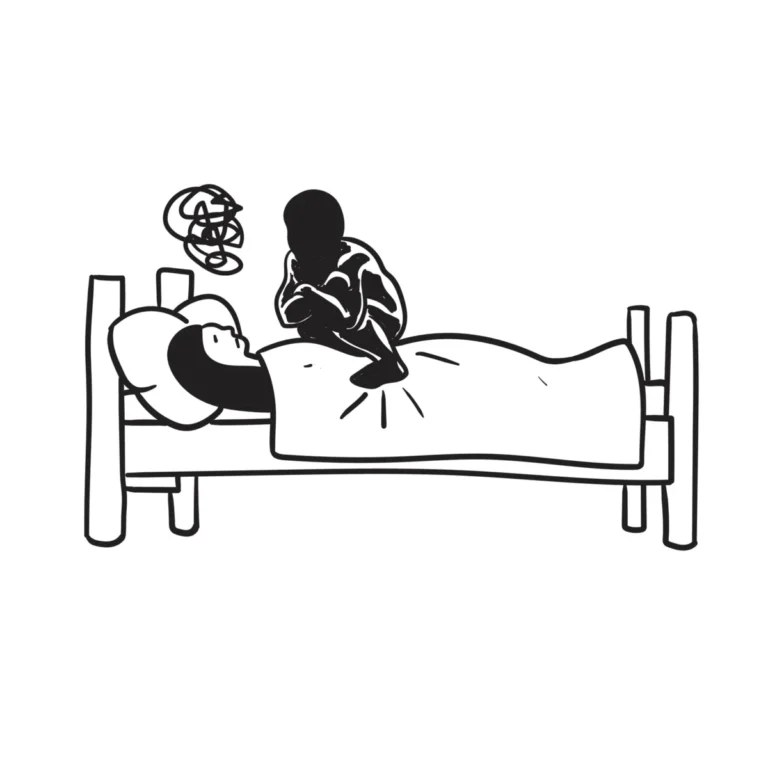










The landscape of sleep medicine is undergoing a seismic shift. For decades, the diagnostic gold standard for complex sleep disorders has been the laboratory-based polysomnogram (PSG)—a comprehensive, multi-channel study requiring patients to spend the night in a clinical facility, often tethered to wires under the constant supervision of a sleep technician. While the rise of Home Sleep Apnea Testing (HSAT) has revolutionized the detection of obstructive sleep apnea (OSA), a significant diagnostic gap remained for patients whose conditions required more granular physiological data.
That gap is now closing. ZOLL Itamar has officially received 510(k) clearance from the U.S. Food and Drug Administration (FDA) for PolySense, a suite of advanced accessories that transforms the company’s flagship WatchPAT 400 from a conventional HSAT device into a sophisticated home-based polysomnography platform. This milestone marks a pivotal evolution in how sleep disorders are diagnosed, managed, and monitored in the United States.
The Evolution of Sleep Diagnostics: From Lab to Home
To understand the significance of the PolySense clearance, one must look at the historical trajectory of sleep diagnostics. Historically, sleep medicine was strictly confined to the laboratory. The "Type I" PSG, or in-lab study, provides a comprehensive look at sleep architecture, including brain activity (EEG), eye movement (EOG), muscle activity (EMG), heart rhythm (ECG), and respiratory effort.
As the global burden of sleep-disordered breathing grew, the industry pivoted toward HSAT (Type III and Type IV devices) to increase access and reduce costs. While these devices are highly effective for identifying moderate-to-severe OSA, they often lack the breadth of data needed for complex cases, such as periodic limb movement disorder (PLMD), central sleep apnea, or parasomnias. Until now, physicians faced a binary choice: a convenient but limited home test or a comprehensive but burdensome and expensive in-lab study. PolySense effectively occupies the middle ground, offering a "Type II" home diagnostic experience.
Chronology of Development and Regulatory Approval
The path to the PolySense clearance was driven by a deliberate, customer-centric development strategy.
- Early 2020s: ZOLL Itamar identifies a growing clinical demand for "advanced home diagnostics." Feedback from sleep specialists indicated that the existing WatchPAT platform was beloved for its ease of use but needed a way to capture EEG and cardiac signals to be truly versatile.
- Engineering Phase: The company began developing a modular accessory system that would integrate seamlessly with the WatchPAT 400. The design mandate was strict: the system had to be self-applicable, meaning patients could attach the sensors themselves without the help of a technician.
- 2026 (Developmental Milestones): Throughout 2026, clinical validation studies were conducted to ensure that the data fidelity of the PolySense-augmented WatchPAT 400 matched the quality of traditional lab-based equipment.
- November 2026: The FDA grants 510(k) clearance, validating the safety and efficacy of the PolySense accessory suite.
- January 2027 (Anticipated): Official commercial launch in the United States, providing practices with the ability to begin billing under updated coding guidelines.
Supporting Data: The Technical Leap
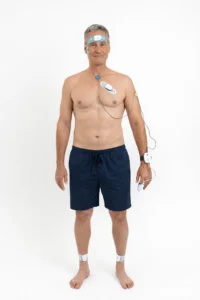
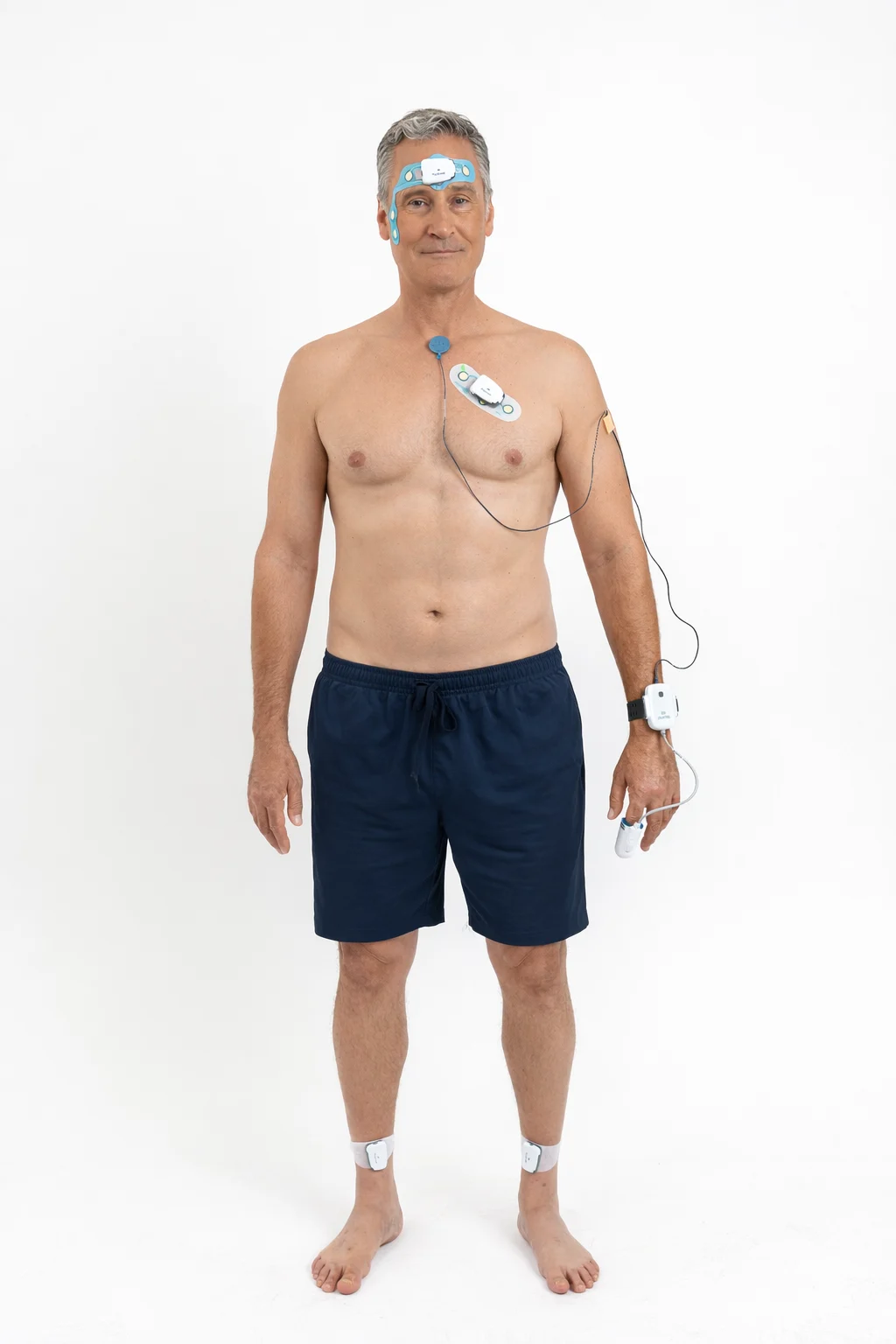
The PolySense kit is not merely a set of wires; it is a sophisticated expansion of the WatchPAT 400’s data-gathering capabilities. By incorporating specialized patches and interchangeable modules, the system enables the recording of vital metrics that were previously inaccessible in a home setting.
Key Physiological Channels
The expanded platform allows for the monitoring of:
- EEG (Electroencephalogram): Essential for determining sleep stages and arousal detection.
- EOG (Electrooculogram): Used to identify Rapid Eye Movement (REM) sleep.
- EMG (Electromyogram): Critical for monitoring muscle tone and diagnosing movement disorders.
- ECG (Electrocardiogram): Provides continuous heart rhythm monitoring, essential for detecting arrhythmias that may be exacerbated by sleep-disordered breathing.
- Leg Movement Sensors: Necessary for identifying limb movement disorders that frequently disrupt sleep quality.
By analyzing up to 11 channels and 9 distinct parameter categories, the system aligns with the American Medical Association (AMA) CPT Assistant standards effective January 1, 2027. This alignment is critical, as it ensures that physicians can perform these tests and receive appropriate reimbursement, making the adoption of the technology financially sustainable for sleep clinics.
Official Perspectives: The Industry Response
The introduction of PolySense has been met with enthusiasm from the clinical community, particularly those who have long advocated for home-based alternatives to the "sleep lab" experience.
Shiri Shneorson, president of the Itamar division at ZOLL, highlighted the collaborative nature of the product’s development. "Everything we build starts with our customers and their patients," Shneorson stated in the official press release. "Our customers asked for a simple way to offer advanced sleep testing at home, and PolySense delivers it on the WatchPAT 400 platform they already know. Its self-application design helps practices run more home PSG studies efficiently."

Dr. Alan Schwartz, a prominent voice in pulmonary critical care and sleep medicine at the University of Maryland Medical System, underscored the clinical utility of the device. "Some of our patients need an advanced sleep study to address several diagnostic possibilities, rather than a standard home sleep apnea test. Until now, a full lab-based polysomnogram was required. WatchPAT 400 and its PolySense accessories will allow us to close that gap."
Dr. Schwartz’s comments reflect a broader industry consensus: the ability to select the right tool for the right patient is the hallmark of modern, precision-based medicine. By providing additional sensors, PolySense allows clinicians to triage patients more effectively, reserving in-lab studies for only the most complex cases that require active, real-time intervention or overnight monitoring by a technician.
Implications for the Future of Sleep Medicine
The launch of the PolySense-equipped WatchPAT 400 carries significant implications for the healthcare ecosystem at large.
1. Increased Diagnostic Throughput
Sleep laboratories often suffer from long waitlists. By moving complex diagnostic testing into the home, clinics can significantly increase their throughput, reducing the time from initial consultation to diagnosis and treatment. This is particularly vital in rural or underserved areas where traveling to a specialized sleep center is geographically or financially prohibitive.
2. Patient Compliance and Comfort
One of the most persistent issues in sleep medicine is "first-night effect," where patients struggle to sleep normally in a foreign laboratory environment. By allowing the study to occur in the patient’s own bed, the data collected is more likely to represent a "typical" night of sleep, thereby increasing the diagnostic accuracy and the patient’s comfort level.
3. Scalability and Flexibility
The modular nature of PolySense is a game-changer for practice management. A practice can utilize the WatchPAT 400 as a standard HSAT for the majority of patients, and only scale up to the full PolySense configuration when the clinical presentation warrants a deeper dive. This flexibility allows for better resource allocation and cost control.
4. Economic Impact
With the alignment to 2027 AMA CPT coding guidelines, the financial barrier to entry for home PSG is lowered. Insurance providers are increasingly recognizing the value of high-quality home testing as a cost-effective alternative to in-lab facilities. As home PSG becomes more standardized, the shift in healthcare spending toward home-based diagnostics is expected to accelerate.
Conclusion: A New Standard of Care
The 510(k) clearance of the PolySense accessories is more than a regulatory victory; it is a testament to the maturation of home-based diagnostics. By bridging the gap between the simplicity of an HSAT and the depth of a traditional PSG, ZOLL Itamar has provided clinicians with a robust, scalable tool that prioritizes patient comfort without sacrificing clinical rigor.
As the medical community looks toward January 2027, the rollout of this technology promises to redefine the patient journey. For millions of individuals suffering from undiagnosed or complex sleep disorders, the future of medicine is not just more accurate—it is more accessible. By bringing the lab to the patient, the PolySense platform ensures that the path to a better night’s sleep is shorter, simpler, and more effective than ever before.
About the Technology:
The WatchPAT 400 is a reusable home sleep apnea testing device known for its peripheral arterial tonometry (PAT) technology. The new PolySense accessories are designed to be compatible with existing units, ensuring that current users of the WatchPAT 400 can easily upgrade their diagnostic capabilities without the need for a complete platform overhaul.