









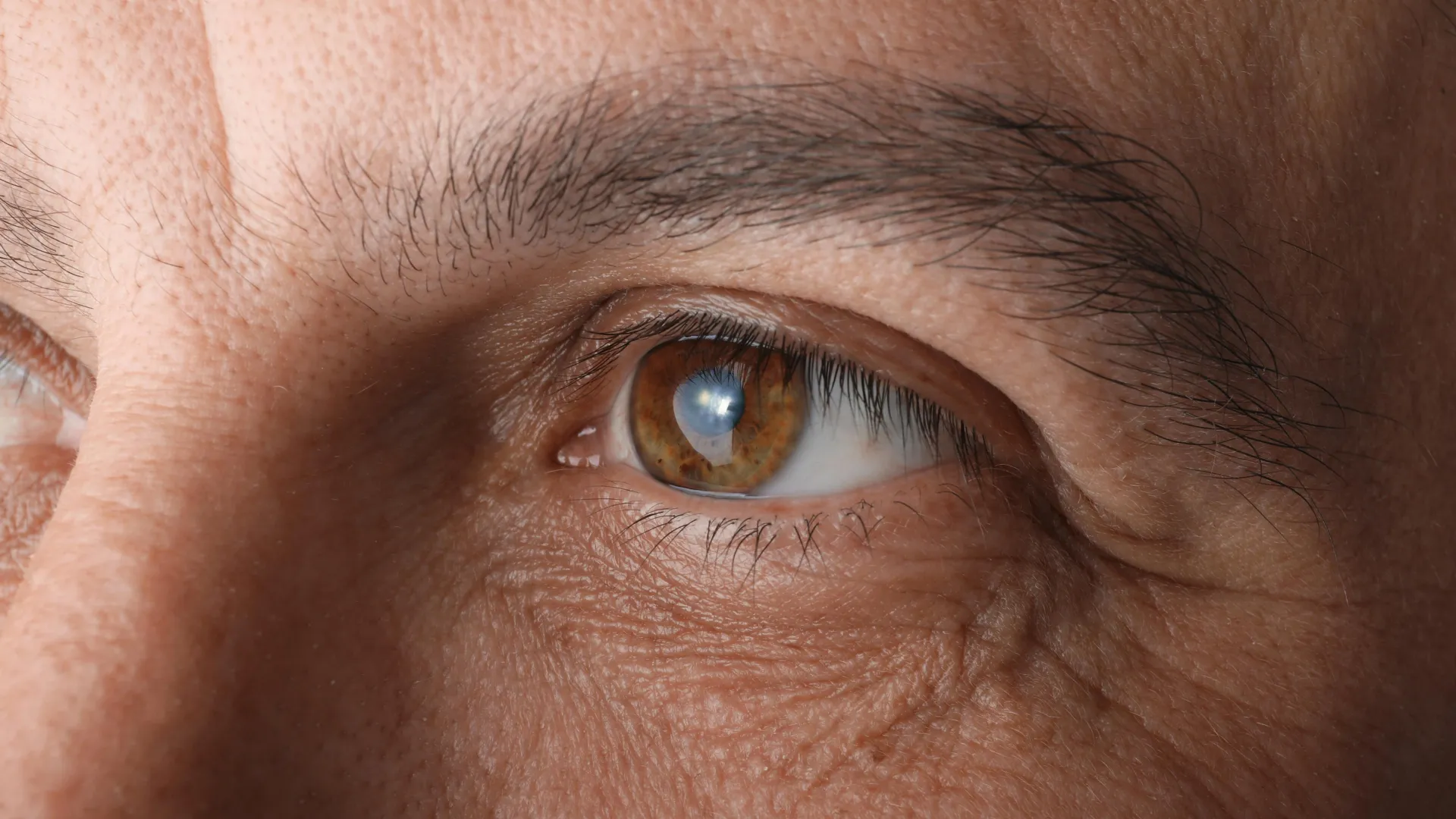
A significant new study published in the British Journal of Ophthalmology has shed light on a potential, albeit concerning, association between the long-term use of tadalafil—commonly known by the brand name Cialis—and an increased risk of developing glaucoma. While the medication remains a cornerstone treatment for erectile dysfunction (ED) and benign prostatic hyperplasia (BPH), researchers are now urging a more cautious approach regarding eye health for those undergoing chronic therapy.
The findings suggest that the daily, long-term administration of tadalafil, particularly when used to manage urinary symptoms associated with an enlarged prostate, may correlate with a measurable uptick in ocular pressure and the onset of glaucoma. While the study does not definitively prove causation, the statistical evidence is strong enough to warrant a change in how clinicians monitor patients who rely on these drugs for extended periods.
Main Facts: Understanding the Link
Tadalafil belongs to a class of drugs known as phosphodiesterase type 5 (PDE5) inhibitors. These medications work by relaxing the smooth muscles and increasing blood flow in specific parts of the body. While most famously used for erectile dysfunction, tadalafil is uniquely suited for daily use in managing the lower urinary tract symptoms associated with BPH, a common condition as men age.
The British Journal of Ophthalmology study highlights that while PDE5 inhibitors have previously been associated with isolated incidents of optic nerve or retinal issues, the link to glaucoma—a group of conditions that damage the eye’s optic nerve—has remained elusive and inconsistent in the scientific literature. This study, however, provides the most robust data to date, indicating a 22% higher likelihood of developing glaucoma among men prescribed tadalafil compared to those who were not.
The researchers were quick to emphasize that they are not suggesting patients discontinue their medication. Instead, the primary takeaway is the necessity of "proactive ophthalmic surveillance." Patients with pre-existing risk factors—such as a family history of glaucoma, ocular hypertension, or high myopia—should be prioritized for routine eye examinations when starting or maintaining long-term tadalafil regimens.
Chronological Context: The Evolution of PDE5i Research
To understand the gravity of these findings, one must look at the history of PDE5 inhibitors in medical literature.
Early Observations (2000s – 2015)
When sildenafil (Viagra) and later tadalafil (Cialis) entered the market, the medical community closely monitored their systemic effects. Early reports sporadically linked these drugs to non-arteritic anterior ischemic optic neuropathy (NAION), a condition where blood flow to the optic nerve is compromised. While rare, these reports prompted manufacturers to include warnings on drug labels.
The Shift Toward Daily Use (2015 – 2020)
As clinical practices evolved, tadalafil was increasingly prescribed as a once-daily, low-dose treatment for BPH. This shift changed the patient profile from "as-needed" users to "chronic" users. This long-term exposure prompted researchers to question whether the physiological effects on ocular blood flow could lead to cumulative, subtle damage to the eye, specifically regarding intraocular pressure (IOP).
The Current Study (2022 – 2024)
The current investigation utilized the TriNetX Analytics Network, a massive, global, anonymized health database. By focusing on data from January 2012 to December 2022, the researchers were able to capture a decade of real-world clinical experience. This provided the necessary sample size—nearly 74,000 men—to conduct a statistically significant comparative analysis that was previously impossible in smaller, short-term clinical trials.
Supporting Data: An In-Depth Look at the Findings
The strength of this study lies in its rigorous matching process. To ensure that the results were not skewed by external factors, the researchers carefully paired men in the tadalafil group with those in the control group based on age, ethnicity, lifestyle factors (such as smoking and alcohol consumption), and a wide array of comorbidities, including:
- Cardiovascular disease
- Diabetes
- Chronic obstructive pulmonary disease (COPD)
- High cholesterol
- Kidney function issues
- Obesity
Key Statistical Breakthroughs
The findings were consistent across multiple metrics. Men prescribed tadalafil exhibited:
- 22% higher risk of developing any form of glaucoma.
- 32% higher prevalence of ocular hypertension.
- 33% higher likelihood of primary open-angle glaucoma, the most prevalent and often "silent" form of the disease.
- 33% higher probability of requiring formal medical treatment for glaucoma within the study period.
Crucially, the researchers conducted additional sensitivity analyses, finding that the association held true even for men who developed symptoms shortly after initiating therapy (1, 3, or 6 months). This consistency across various sub-groups—including those over age 50 and those with pre-existing conditions—bolsters the credibility of the association.
Official Responses and Scientific Nuance
The study authors, led by a team of ophthalmology and urology specialists, have adopted a measured, scientific tone. They explicitly note that because the study was observational, it cannot determine a definitive "cause and effect" relationship.
"The findings suggest that chronic PDE5 inhibition may influence ocular physiology," the authors wrote. They posited that the mechanism might involve changes in the regulation of blood flow to the optic nerve or fluctuations in intraocular pressure caused by the drug’s vasodilatory effects.
However, they noted several limitations that necessitate further study:
- Adherence Data: The researchers could not track if patients took the medication consistently every day or if they skipped doses.
- Demographic Bias: The majority of the study population was White, which may limit the generalizability of these findings to other ethnic groups, who may have different genetic predispositions to glaucoma.
- Unmeasured Variables: Changes in lifestyle or the development of new, undocumented health conditions during the 5-year window could not be fully controlled for.
Despite these limitations, the research community has reacted with significant interest. Many clinicians are now calling for a formal update to patient guidelines regarding the "baseline ophthalmic assessment" for patients initiating long-term tadalafil therapy.
Implications for Patients and Clinicians
The implications of this study are far-reaching for both the pharmaceutical industry and clinical practice. For the millions of men managing BPH with tadalafil, the message is not one of alarm, but of informed health management.
For the Patient
If you are currently taking tadalafil daily for urinary symptoms or ED, you should not discontinue your medication. Abruptly stopping treatment can lead to a return of uncomfortable urinary symptoms or complications related to prostate health. Instead:
- Schedule a comprehensive eye exam: If you have not had an eye exam recently, schedule one.
- Disclose your medication: Ensure your optometrist or ophthalmologist knows you are taking tadalafil, especially if you have a family history of glaucoma.
- Monitor for symptoms: Be aware of symptoms like blurred vision, halos around lights, or persistent eye pain, and report these to your doctor immediately.
For the Clinician
The medical community is being urged to integrate ocular health into the routine monitoring of patients on long-term PDE5 inhibitors. This includes:
- Baseline Testing: Conducting a baseline eye pressure test and optic nerve assessment before or shortly after starting long-term tadalafil.
- Risk Stratification: Identifying patients at higher risk (e.g., those with family histories of glaucoma or existing ocular hypertension) and scheduling more frequent follow-ups.
- Patient Education: Discussing the potential, though unproven, risks with patients so they are empowered to notice and report ocular changes early.
Future Research
The researchers conclude that these findings are just the beginning. There is a pressing need for mechanistic studies—likely involving animal models or clinical trials—to determine exactly how PDE5 inhibitors interact with the eye’s pressure-regulating systems. If the link is confirmed through further, more direct studies, it could lead to revised dosing guidelines or the development of alternative therapies that provide the same systemic benefits without the potential ocular impact.
In summary, while tadalafil remains a safe and highly effective treatment for many, this study serves as a vital reminder that long-term medication use—even of widely trusted drugs—requires ongoing, holistic health oversight. By bridging the gap between urology and ophthalmology, this research represents a critical step forward in patient-centered care, ensuring that in treating one condition, we do not inadvertently overlook the health of another.