





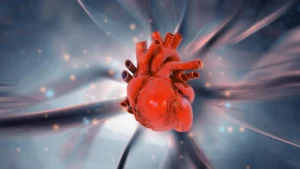


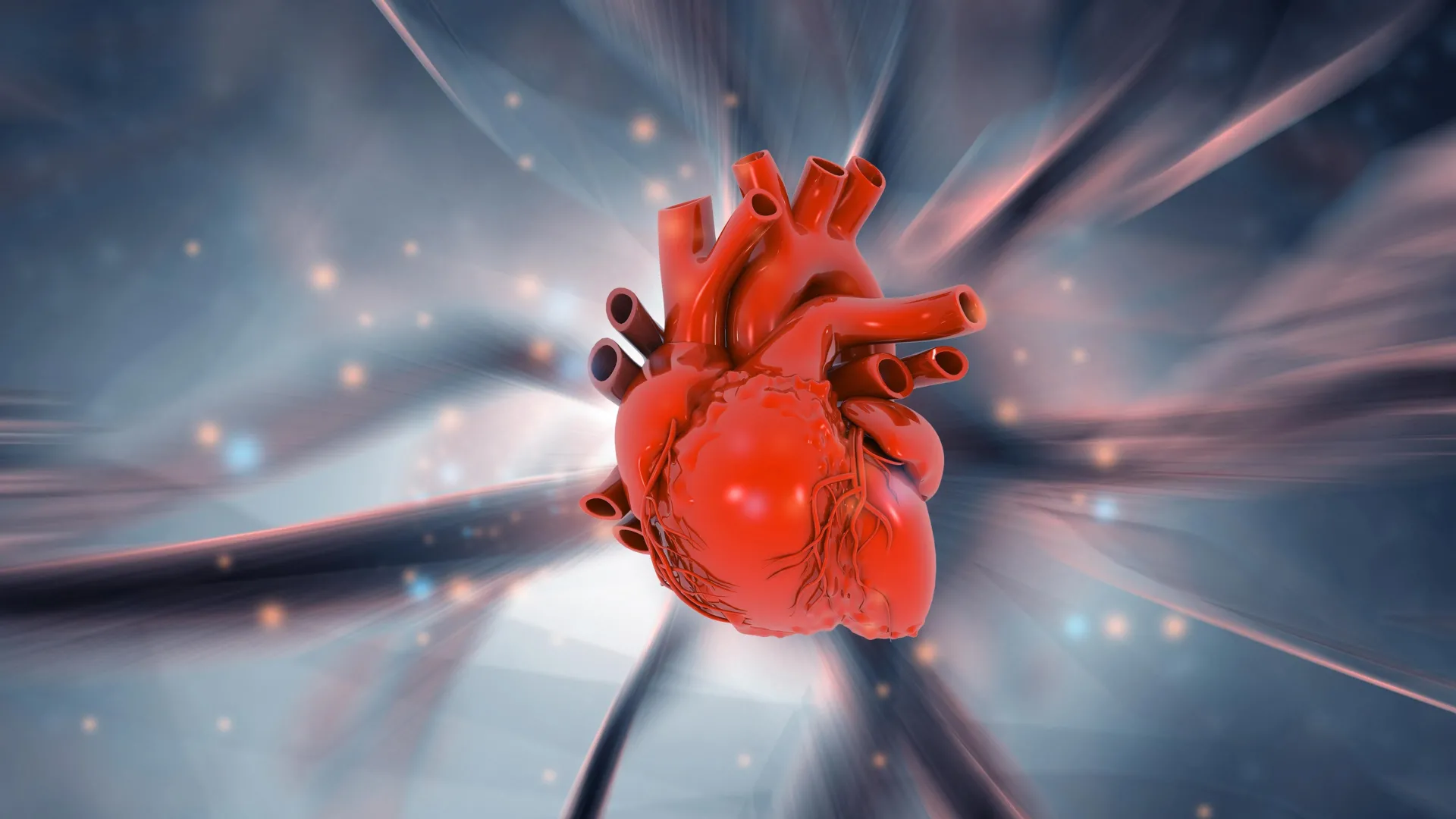
In a landmark discovery that promises to reshape the landscape of cardiovascular medicine, a team of researchers from the University of Sydney, the Baird Institute, and Royal Prince Alfred Hospital has identified that the human heart possesses a previously unrecognized, albeit limited, ability to generate new muscle cells following a heart attack.
For decades, the medical consensus has been absolute: once a heart attack (myocardial infarction) occurs, the resulting damage is permanent. The death of cardiomyocytes—the specialized cells that facilitate the rhythmic contraction of the heart—was believed to lead inevitably to the formation of non-contractile scar tissue. This scarring, while essential for structural integrity, creates a "dead zone" that forces the remaining healthy tissue to work harder, eventually leading to chronic heart failure.
This new research, published in the prestigious journal Circulation Research, dismantles the long-held dogma of cardiac immobility. By proving that the human heart attempts to repair itself through cellular regeneration, scientists have opened a new frontier: the potential to therapeutically "supercharge" this natural process to reverse the devastating trajectory of heart disease.
The Chronology of a Paradigm Shift
The journey to this discovery began by observing a phenomenon in the laboratory that had long been elusive in clinical settings.
Lessons from the Laboratory
For several years, researchers had documented increased mitosis—the process by which cells replicate—within the heart tissues of mice following simulated cardiac injury. However, translating these findings to humans remained a significant hurdle. Biological differences between rodent and human physiology meant that what occurred in a mouse model could not simply be assumed to occur in a human patient.
The "Pre-Mortem" Innovation
The breakthrough came when a team led by Professor Paul Bannon and Professor Sean Lal developed a novel methodology for acquiring high-quality research data. Rather than relying on post-mortem tissue, which degrades rapidly and fails to capture the dynamic processes of a living organ, the researchers implemented a "pre-mortem" tissue collection protocol.
During routine heart bypass surgeries at the Royal Prince Alfred Hospital, the team—with the explicit consent of the patients—collected minute samples of heart tissue from both diseased and healthy regions. This world-first approach allowed scientists to study the biology of a living, beating human heart in a controlled laboratory environment.
By analyzing these samples, the team observed that the human heart, much like the mouse heart, attempts to initiate cell division after an injury. This observation provided the missing link between theoretical regenerative potential and the reality of human cardiac biology.
Supporting Data: Understanding the Cardiac Crisis
To grasp the gravity of this discovery, one must look at the staggering burden of cardiovascular disease (CVD) on global health.
The Global and Domestic Toll
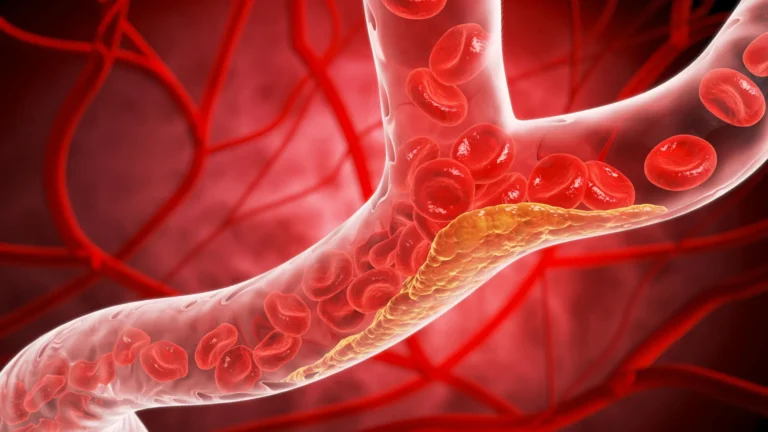
Cardiovascular disease remains the leading cause of death worldwide. In Australia alone, it is responsible for nearly 24 percent of all mortality. The impact of a heart attack is catastrophic: a single major event can destroy up to one-third of the heart’s total cell population.
While modern interventions—such as stents, clot-busting drugs, and emergency bypass surgeries—have drastically improved the survival rate of initial heart attacks, they have also created a "survival paradox." Patients who survive the acute phase of an attack are frequently left with significantly weakened hearts. Over months or years, this leads to heart failure, a chronic condition where the heart lacks the pumping capacity to meet the metabolic demands of the body’s organs.
The Transplant Gap
Currently, the only "cure" for advanced heart failure is a heart transplant. However, the supply of donor organs is a fraction of the demand. In Australia, there are approximately 144,000 people living with heart failure, yet only about 115 heart transplants are performed annually. This leaves tens of thousands of patients with limited options, trapped between medical management and a terminal prognosis.
The researchers’ finding that the heart possesses a latent regenerative capacity suggests that we may one day be able to bridge this gap, not by replacing the heart, but by repairing the one the patient already has.
Official Responses: Insights from the Lead Investigators
Dr. Robert Hume, the study’s first author and a key figure at the Faculty of Medicine and Health and the Charles Perkins Centre, emphasizes that while the discovery is a triumph of science, it is only the beginning of a long journey.
"Until now, we have operated under the assumption that because heart cells die after a heart attack, those areas were irreparably damaged," Dr. Hume explained. "Our research shows that while the heart is indeed left scarred, it does attempt to produce new muscle cells. This changes our fundamental understanding of cardiac recovery."
However, Dr. Hume offers a realistic perspective on the immediate clinical application. "While the discovery of regrowing muscle cells is incredibly exciting, this natural response is currently insufficient to prevent the devastating long-term effects of a heart attack. Our goal is to develop therapies that can amplify this natural ability, effectively turning a ‘trickle’ of new cells into a ‘flood’ of regeneration."
Professor Sean Lal, the senior author of the study and a consultant heart failure cardiologist, highlighted the importance of the new research model. "Ultimately, our goal is to use this discovery to create new heart cells that can reverse heart failure," said Professor Lal. "By using living human heart tissue models, we are obtaining more accurate, reliable, and human-specific data than ever before."
The team has already begun identifying specific proteins within these samples that appear to trigger the regenerative process. These proteins, previously identified as active in mouse models, are now being observed in human tissue, providing a direct roadmap for future drug development.
Implications: The Future of Regenerative Cardiology
The implications of this discovery are vast, touching upon clinical practice, drug development, and the future of regenerative medicine.
Rethinking Cardiac Rehabilitation
If the human heart has a natural, albeit weak, capacity for repair, the next phase of research will focus on "priming" the heart to maximize this capacity immediately following an attack. This could involve pharmacological interventions administered in the emergency room or during recovery that lower the threshold for cardiomyocyte division.
Precision Medicine and Proteomics
The identification of specific proteins involved in the regenerative process opens the door to targeted therapies. If researchers can synthesize or stimulate the production of these proteins, they could potentially induce "controlled regeneration" in the damaged areas of the heart. This would not only prevent the progression to heart failure but could potentially restore the heart to a near-pre-injury state.
A New Gold Standard for Research
The methodology established by Professor Bannon and Professor Lal—the use of living, pre-mortem tissue samples—is likely to become the new gold standard in cardiovascular research. By moving away from purely animal-based models and toward human tissue, researchers can reduce the "translation gap," where drugs that work in animals fail in human trials. This model allows scientists to test the efficacy and safety of new therapies in an environment that is biologically identical to the patient’s own heart.
The Long Road Ahead
Despite the optimism surrounding this discovery, the medical community remains cautious. Regenerating heart muscle is infinitely more complex than regenerating skin or bone. The heart is an electromechanical organ that requires not just the presence of new cells, but the integration of those cells into the existing electrical conduction system. Without perfect synchronization, new cells could theoretically cause arrhythmias.
Furthermore, the researchers must determine why the heart’s regenerative capacity is so limited in the first place. Is it a protective mechanism to prevent uncontrolled growth (which could lead to tumors), or is it an evolutionary trade-off?
Conclusion
The findings from the University of Sydney represent a fundamental pivot in our understanding of human biology. By proving that the heart is not a static organ, but one capable of a degree of self-renewal, the research team has moved the field of regenerative cardiology from the realm of science fiction into the realm of testable, actionable science.
As the team continues to analyze the proteins responsible for this cellular reproduction, the hope for millions of heart failure patients worldwide grows. We are moving toward a future where a heart attack is no longer a life-altering sentence of permanent decline, but a manageable condition where the heart is given the tools it needs to mend itself. Through the lens of this new research, the heart is no longer seen merely as a pump that wears out, but as a living system with the latent potential to heal.