







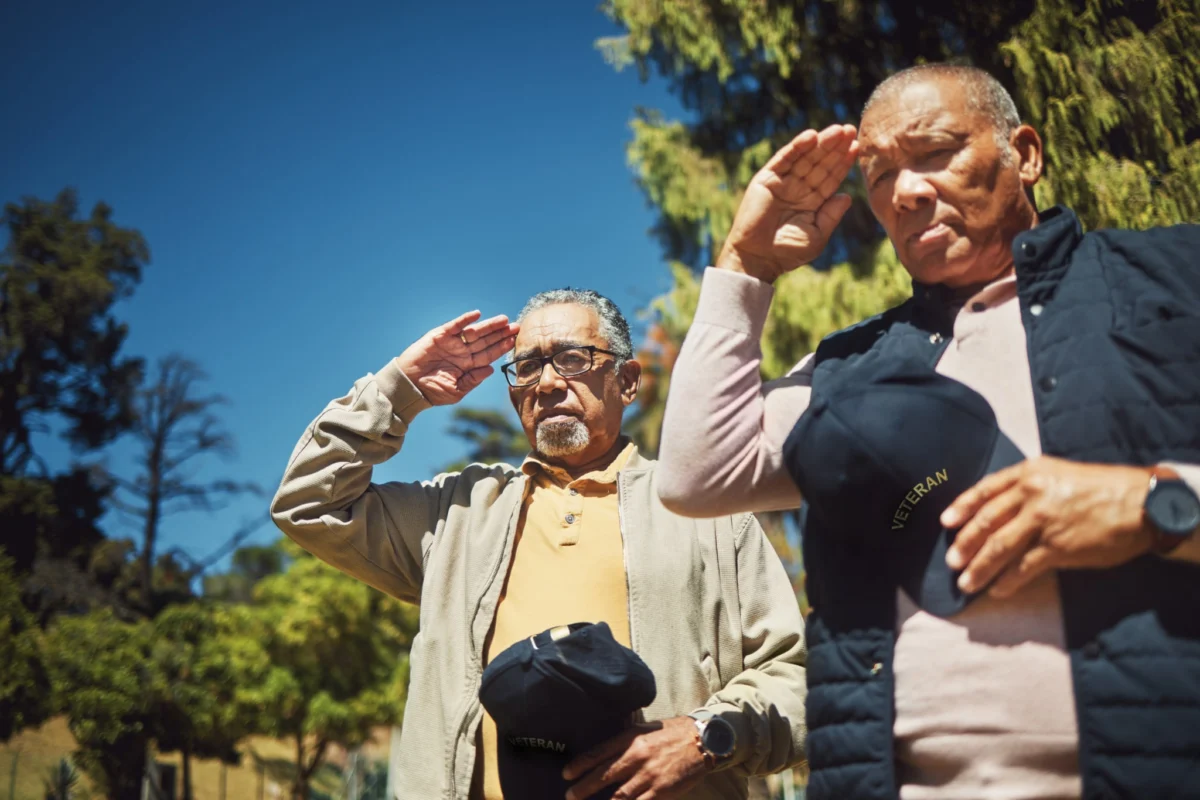
Each year on November 11, the United States pauses to honor the profound service and sacrifice of the men and women who have donned the uniform of the U.S. Armed Forces. While Veterans Day serves as a poignant reminder of the freedoms protected by our military, it also acts as a critical inflection point for the healthcare community. Beyond the parades and tributes, there is an urgent, quiet mission: ensuring that the 16 million veterans who have shaped our nation’s history receive the specialized care they deserve as they transition into their senior years.
With nearly 50% of the U.S. veteran population now aged 65 or older, the demographic landscape of the veteran community is shifting. More than 8 million older adults who once stood on the front lines of global conflicts are now navigating the complex, often daunting front lines of age-related health challenges.
The Current State of Veteran Health: Key Facts
The transition from active-duty service to retirement is a significant life event that can mask underlying health issues. For many, the physical and mental rigors of military life—ranging from combat exposure to the cumulative wear and tear of service—do not manifest as medical conditions until decades later.
- Demographic Prevalence: Over 8 million veterans are over the age of 65.
- Unique Health Profiles: Veterans often present with a distinct cluster of health issues, including chronic pain, traumatic brain injuries (TBI), post-traumatic stress disorder (PTSD), and service-related respiratory conditions.
- The Aging Intersection: The intersection of aging and military service creates a "double burden," where age-related cognitive or physical decline is compounded by injuries sustained during years of service.
Chronology of Service and The Aging Transition
Understanding the veteran experience requires a look at the arc of their lives. The journey of an American veteran is often divided into three distinct phases regarding their health trajectory:
1. The Active Duty Foundation (Ages 18–40)
During this phase, military personnel are often at the peak of physical condition. Training emphasizes cardiovascular health, strength, and resilience. However, this is also when the "seeds" of future health issues are often sown—through repetitive high-impact exercise, exposure to environmental hazards, and acute injuries that may be inadequately addressed due to the high-tempo nature of military operations.
2. The Mid-Career Transition (Ages 40–60)
As veterans move into civilian life, they often experience a shift in lifestyle. The rigorous, mandatory physical fitness standards of the military are replaced by the sedentary realities of the modern workforce. During this period, chronic conditions such as hypertension, diabetes, and early-stage musculoskeletal deterioration often appear. Without the structured medical surveillance of the military, many veterans miss the early windows for intervention.
3. The Senior Years (Ages 65+)
The "Golden Years" for veterans are often defined by managing the long-term effects of their service alongside typical geriatric concerns. This is the stage where the need for comprehensive, integrated healthcare is most acute. It is also the stage where the risk of social isolation—a significant factor in mental health decline—often increases as their military social circles diminish.
Supporting Data: The Need for Targeted Intervention
The Alliance for Aging Research has long identified that aging veterans require a specialized approach to geriatric care. Data suggests that veterans are disproportionately affected by conditions such as Alzheimer’s disease and other forms of dementia.
Research indicates that military service can be a precursor to increased neurodegenerative risk. Whether through TBI or high levels of chronic stress that affect cortisol production, the brain health of veterans requires specialized screening. Furthermore, as muscle mass naturally declines with age—a condition known as sarcopenia—veterans who have spent decades relying on their physical strength may find this decline particularly challenging, both physically and psychologically.
Official Responses and Available Resources
The U.S. Department of Veterans Affairs (VA) and non-profit advocates like the Alliance for Aging Research have developed a robust infrastructure to support this aging population.
The VA’s Geriatric and Extended Care Services
The VA provides a comprehensive suite of services specifically designed for the aging veteran. These include:
- Rehabilitation Services: Tailored programs that account for old service injuries while promoting modern geriatric mobility.
- Brain Health Initiatives: Focused screenings and cognitive support programs for veterans showing signs of early memory loss or dementia.
- Hospice and Palliative Care: Ensuring that as veterans reach the end of their lives, they receive care that is respectful of their service and dignity.
The Alliance for Aging Research: Advocacy and Education
The Alliance for Aging Research serves as a critical bridge between medical research and the veteran community. Their ongoing efforts include:
- Educational Films: High-quality resources that explain the subtle symptoms of Alzheimer’s and neurodegenerative diseases, designed to help families recognize when to seek professional help.
- Mental Health Guides: Practical, actionable advice on navigating depression and the psychological impacts of aging, including suicide prevention resources specifically tailored for older populations.
- Preventive Care Advocacy: Distributing resources like Wellness Wisdom: A Guide to Preventive and Screening Services Covered by Medicare, which demystifies the bureaucratic hurdles of healthcare and encourages veterans to maximize their earned benefits.
The Implications of Preventive Healthcare
Preventive care is the cornerstone of a high quality of life. For veterans, the "wait and see" approach is particularly dangerous. Many conditions associated with military service—such as exposure to toxic substances or environmental hazards—have a long latency period.
Regular screenings are not just bureaucratic check-boxes; they are lifelines. Medicare-covered annual wellness visits provide a vital opportunity to:
- Monitor Cognitive Health: Early detection of cognitive decline can lead to better management and improved quality of life.
- Screen for Chronic Diseases: Managing blood pressure and glucose levels early prevents the development of secondary complications like heart disease or stroke.
- Evaluate Physical Functioning: Assessing strength and mobility allows for early physical therapy interventions, which can prevent the debilitating effects of sarcopenia.
Looking Ahead: A Collective Responsibility
As we reflect on this Veterans Day, we must shift the conversation from mere gratitude to active support. The strength of our nation is reflected in the health of those who defended it.
The Alliance for Aging Research remains committed to the principle that every veteran has the right to healthy aging. This commitment involves pushing for policies that reduce barriers to care, funding research into service-connected illnesses, and providing families with the tools to advocate for their veteran loved ones.
How You Can Help
If you are an older veteran, or if you care for one, take these steps:
- Engage with the VA: Don’t wait for symptoms to appear. Schedule an annual wellness visit and inquire about geriatric services.
- Prioritize Physical Health: Continue to stay active. Even simple, low-impact strength training can combat the muscle loss associated with aging.
- Seek Mental Health Support: There is no shame in seeking support for the psychological weight of service. Utilize the guides and resources available through organizations like the Alliance to start the conversation.
In the words of the Alliance, we are inspired by the courage of our veterans. But our true salute to them must be a tangible one: a promise that as they age, they will not have to face their health challenges alone. By leveraging the resources of the VA, utilizing Medicare-covered preventive services, and staying vigilant about physical and mental health, we can ensure that our veterans enjoy the long, healthy, and dignified retirement they have so clearly earned.
Matthew Thompson, Digital Communications Manager for the Alliance for Aging Research, emphasizes that this mission is not just a policy priority, but a national duty. Through continuous education and accessible resources, we can ensure that the health of our veterans remains a national priority, today and every day.