







By Lauren Belsky, Development Coordinator, Alliance for Aging Research
August 20, 2026
There are many reasons to celebrate both the small, quiet moments and the monumental milestones that make our world a brighter place. Beyond the events, it is the people who cultivate these experiences who truly define our culture. Each year, "World Senior Citizens Day" serves as a vital touchstone—a dedicated opportunity to pause and formally recognize the older adults whose accumulated wisdom, resilience, and joy continue to enrich our families, our neighborhoods, and our society at large.
As we approach August 21, we find ourselves reflecting not just on the history of this observance, but on the profound impact that intergenerational connection has on the health and longevity of our communities.
The Genesis of a Global Observance: A Historical Chronology
To understand the significance of World Senior Citizens Day, one must look back to the late 20th century, a time when the demographic shift toward an aging population began to gain significant attention from policymakers.
- 1988: The Proclamation: The roots of this day were planted by former U.S. President Ronald Reagan. On August 19, 1988, President Reagan signed Proclamation 5847, formally establishing August 21 as a day to honor the contributions of older Americans. In his address, he noted, "For all they have achieved throughout their lives and for all they continue to accomplish, we owe older citizens our thanks and a heartfelt salute."
- 1991: The Inaugural Celebration: Following the proclamation, the first official World Senior Citizens Day was observed on August 21, 1991. The event sought to move beyond mere recognition, aiming to highlight the unique challenges faced by the elderly while simultaneously championing their potential as active contributors to the workforce and civic life.
- 2000s–Present: A Global Perspective: Over the last three decades, the holiday has evolved from a national recognition into a global call to action. International organizations, including the United Nations, have increasingly focused on the "Decade of Healthy Ageing," aligning with the spirit of this day to advocate for policies that combat ageism and promote social inclusion for the elderly.
The Science of Social Connection: Why Inclusion Matters
The celebration of our senior citizens is not merely a social nicety; it is a public health imperative. Modern medical research has consistently demonstrated that the "soft" benefits of community engagement—such as a sense of belonging and social support—have "hard" biological consequences.
The Neuropsychiatric Impact of Isolation
Loneliness and social isolation are often referred to as the "silent epidemics" of the 21st century. Research indicates that these states are not just emotional burdens; they are significant risk factors for neuropsychiatric conditions. Boredom and isolation can accelerate cognitive decline and increase the prevalence of depressive symptoms among older adults. By fostering environments that encourage participation, we can mitigate these risks effectively.
Data-Driven Benefits of Active Aging
The National Institute on Aging (NIA) and various academic institutions have published extensive data confirming that staying active—physically, cognitively, and socioemotionally—is the cornerstone of healthy long-term aging.
- Disease Mitigation: Studies have shown that individuals with strong, diverse social networks exhibit lower levels of systemic inflammation and a reduced risk of chronic diseases, including cardiovascular issues and metabolic disorders.
- Mortality Rates: Engaging in meaningful activities has been statistically linked to increased longevity. A sense of purpose acts as a buffer against the stressors that can lead to physical frailty in later years.
- Cognitive Reserve: Social interaction serves as a "cognitive workout." Engaging in conversations, community volunteering, or skill-sharing activities helps maintain synaptic plasticity, supporting brain health well into the eighth and ninth decades of life.
Building a Culture of Recognition: How to Support Our Elders
Celebrating our older loved ones does not require elaborate ceremonies. Often, the most profound impacts are made through consistent, thoughtful engagement that reaffirms an individual’s value to their community.
Meaningful Gestures for Loved Ones
- Intentional Dialogue: Move beyond surface-level questions. Ask for stories about their history, their career lessons, or the historical events they witnessed. This validates their lived experience.
- Digital Inclusion: Help older adults navigate technology to stay connected with distant family members. Providing the tools to participate in video calls or digital photo sharing can drastically reduce feelings of detachment.
- Active Listening: The most precious resource we can give an older adult is time. Setting aside an afternoon for a shared activity—whether it is a walk in the park or a board game—communicates that they are a priority.
Community-Level Engagement
For older adults looking to stay active, or for community members looking to facilitate that engagement, there are several pathways to integration:
- Mentorship Programs: Local schools and non-profits often seek retired professionals to provide mentorship. Sharing vocational or life experience provides the senior with a renewed sense of purpose and the mentee with invaluable guidance.
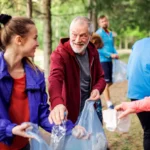
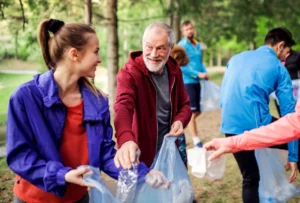
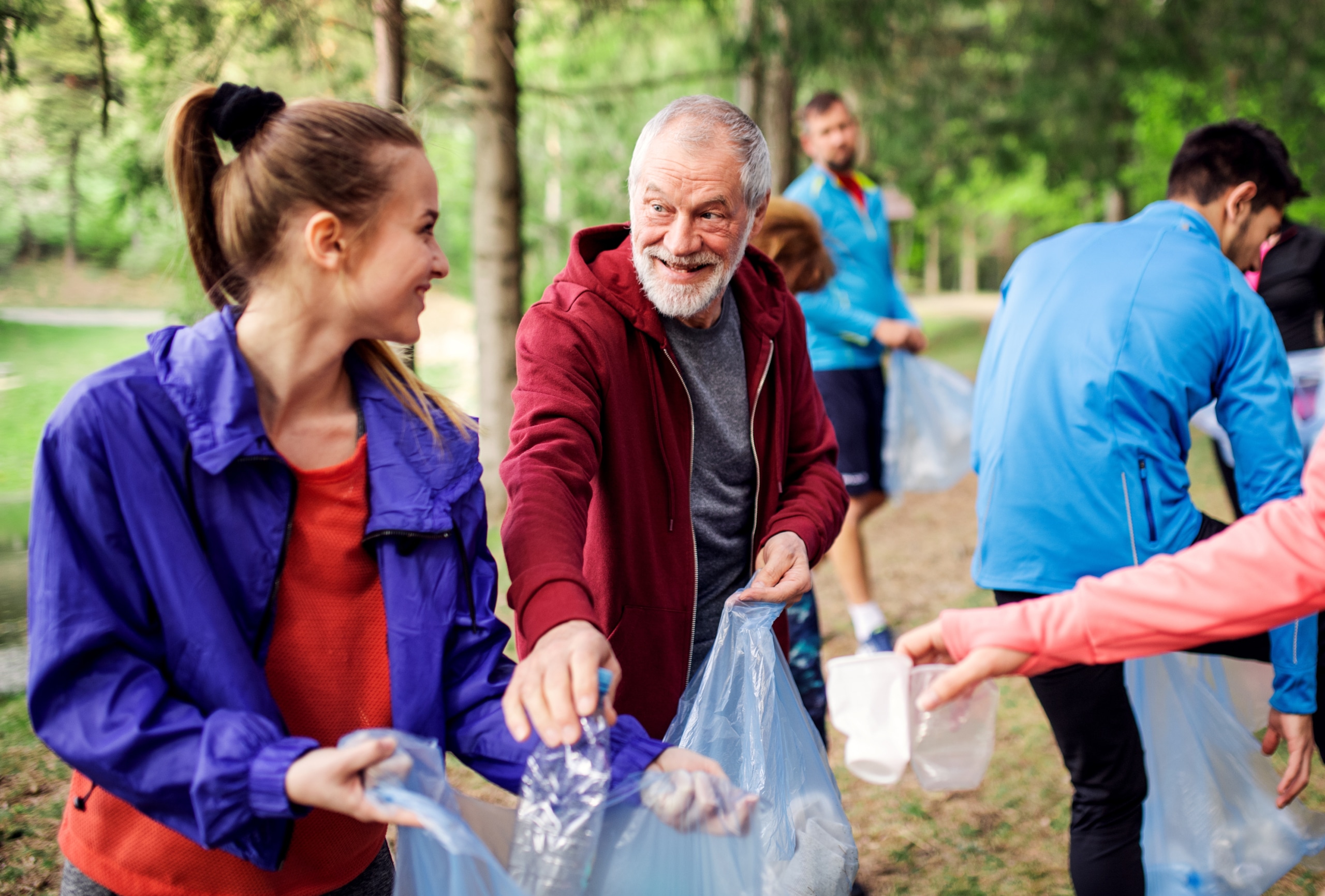
- Intergenerational Volunteering: Seek out programs where different age groups work side-by-side. Community gardens, food banks, and library reading programs are excellent settings for bridging the generational divide.
- Civic Participation: Local government committees and advocacy groups benefit immensely from the perspective of older citizens. Encouraging seniors to participate in local governance ensures that the needs of all age groups are represented in municipal planning.
Implications for Policy and Future Society
As we look toward 2030 and beyond, the implications of our treatment of the aging population become increasingly clear. We are moving toward a demographic landscape where older adults will comprise a larger percentage of the population than at any other time in history.
Combating Ageism
The societal shift required to truly honor our seniors involves dismantling systemic ageism. This includes addressing the "invisibility" often experienced by older workers and ensuring that our urban infrastructure is accessible to those with varying levels of mobility. When we build for the elderly, we build for everyone.
The Economic Contribution
We must continue to recognize the economic vitality of the "silver economy." Older adults are not merely recipients of care; they are active consumers, volunteers, and mentors. Policies that encourage flexible work arrangements and lifelong learning opportunities are essential for harnessing this potential.
Conclusion: A Legacy of Wisdom
Older adults have left, and continue to make, an incredible mark on the world around us. They have shaped the communities we live in, navigated the complexities of the past, and provided the foundation upon which future generations will build their lives.
At the Alliance for Aging Research, we celebrate the extraordinary accomplishments of older adults every single day. Their stories are our history, and their continued participation in society is the key to our shared future. While World Senior Citizens Day provides a specific date for celebration, let it serve as a catalyst for a year-round commitment to recognizing, appreciating, and learning from the seniors in our lives.
As we mark August 21, let us not just say "thank you" to our elders—let us actively create the conditions where they can continue to thrive, contribute, and inspire. Their journey is far from over, and our world is undeniably better for their presence.
Lauren Belsky serves as the Development Coordinator for the Alliance for Aging Research, where she advocates for policies and research that improve the lives of older adults.