







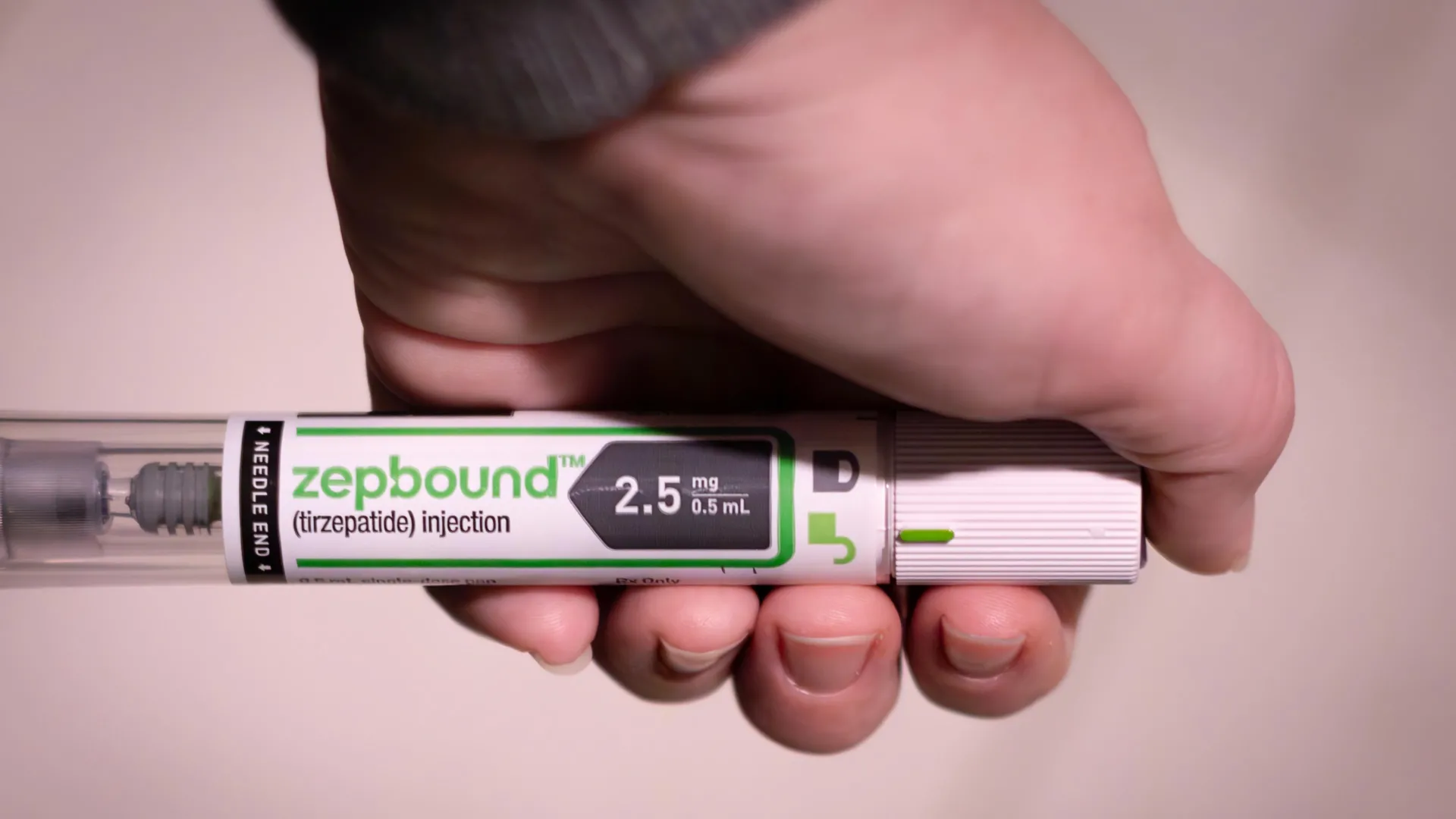
Tirzepatide, the pharmaceutical powerhouse currently transforming the landscape of obesity and type 2 diabetes management, may be doing far more than simply curbing the appetite of those who use it. While the drug—sold under the brand name Mounjaro—is already renowned for its efficacy in inducing significant weight loss and glycemic control, new research is beginning to unveil a sophisticated, underlying mechanism: the direct activation of "calorie-burning" brown adipose tissue.
A recent study conducted on experimental mouse models suggests that tirzepatide’s benefits extend into the realm of direct metabolic enhancement. By stimulating brown fat—a specialized tissue that burns energy rather than storing it—the drug appears to offer a dual-pronged approach to weight management that operates independently of reduced caloric intake. This discovery, spearheaded by a team at the University of Barcelona, provides a crucial piece of the puzzle in understanding why tirzepatide is so uniquely effective, potentially paving the way for a new generation of metabolic therapies.
The Dual-Action Mechanism: A New Paradigm in Metabolic Science
To understand the significance of this research, one must first appreciate the unique pharmacological profile of tirzepatide. Unlike previous generations of weight-loss medications that typically targeted a single hormonal pathway, tirzepatide is a dual agonist. It targets the receptors for both Glucose-dependent Insulinotropic Polypeptide (GIP) and Glucagon-like Peptide-1 (GLP-1).
The synergy between these two hormonal signals is what allows for the profound weight loss observed in clinical trials. GLP-1 is well-known for its role in slowing gastric emptying and signaling satiety to the brain, which effectively reduces food intake. GIP, meanwhile, is thought to play a role in fat metabolism and insulin sensitivity. However, the scientific community has long suspected that the drug’s success—which often exceeds what would be expected from calorie restriction alone—must be tied to systemic metabolic changes.
The Research Methodology: Controlling for Calories
The research, led by Dr. Marion Peyrou, a Ramón y Cajal researcher at the University of Barcelona’s Faculty of Biology and the Institute of Biomedicine (IBUB), sought to decouple the drug’s effect on appetite from its direct effect on cellular metabolism.
In a meticulously designed study using obese mice on a high-fat diet, the team employed a "pair-feeding" model. One group of mice received tirzepatide, while a control group received an identical amount of food but no medication. This allowed the researchers to isolate the biological changes caused by the drug itself, rather than the side effects of eating less food. The results were striking: even when caloric intake was controlled, the tirzepatide-treated mice showed significant activation of brown adipose tissue, suggesting that the drug acts directly upon the body’s energy-burning machinery.
Understanding Brown Adipose Tissue (BAT)
For decades, the medical community viewed adipose tissue primarily as a passive storage site for excess energy—the white fat that accumulates in obesity. However, brown adipose tissue (BAT) operates on an entirely different physiological principle. Unlike white fat, which stores energy, brown fat is packed with mitochondria—the powerhouses of the cell. These mitochondria contain a unique protein called Uncoupling Protein 1 (UCP1), which allows the tissue to convert chemical energy directly into heat, a process known as thermogenesis.
By activating this tissue, the body essentially turns up its internal furnace, consuming glucose and lipids from the bloodstream to fuel the thermogenic process. Dr. Peyrou notes that this activation is associated with the production of "batokines"—signaling molecules secreted by brown fat that exert beneficial effects throughout the entire body.
Why This Matters for Obesity Treatment
The quest to harness brown fat as a therapeutic target has been a "holy grail" of metabolic research for years. Previous attempts to pharmacologically activate BAT often resulted in severe cardiovascular side effects, such as increased heart rate or blood pressure, rendering them unsafe for long-term use.
Tirzepatide appears to have bypassed this hurdle. "Tirzepatide, although it activates brown adipose tissue, does not have these negative effects," explains Dr. Peyrou. "On the contrary, it shows cardiovascular benefits." This indicates that the drug’s metabolic activation is highly targeted and does not place undue stress on the heart, potentially offering a safer route to increasing energy expenditure.
Implications: Moving Toward Personalized Medicine
The realization that tirzepatide optimizes metabolism at the tissue level has profound implications for the future of clinical practice. If these findings are replicated in human trials, it suggests that the current "one-size-fits-all" approach to weight loss may eventually give way to highly personalized, precision-medicine strategies.
Identifying Patient Profiles
"Identifying which patient profiles could benefit most, for example, those with more compromised energy expenditure, would open the door to more personalized medicine," says Dr. Peyrou.
Currently, weight loss drugs are often prescribed based primarily on a patient’s Body Mass Index (BMI) or the presence of comorbidities like type 2 diabetes. However, if clinicians can determine a patient’s specific metabolic phenotype—such as their ability to activate brown fat—they could theoretically select medications that align with the patient’s biological deficiencies. A patient with low metabolic expenditure, for instance, might be a prime candidate for drugs that stimulate BAT, whereas another patient might respond better to medications focused purely on appetite suppression.
Beyond Appetite: The Future of Metabolic Disorders
The systemic benefits of activating brown fat extend well beyond weight loss. Because active BAT consumes glucose and lipids, it directly addresses the root causes of metabolic syndrome, including insulin resistance and dyslipidemia.
"This drug not only reduces body weight but also has beneficial effects on metabolism," Dr. Peyrou points out. "Active brown adipose tissue ‘burns’ glucose and fat within the body, which would contribute to its positive effect not only in reducing body weight, but also in lowering blood glucose and fat levels, and improving metabolism."
This provides a potential explanation for why tirzepatide patients often see improvements in glycemic control that occur rapidly, sometimes even before significant weight loss is achieved. By improving the metabolic environment of the body, the drug may be doing the heavy lifting that diet and exercise alone often fail to accomplish in patients with chronic metabolic dysfunction.
The Need for Caution: From Bench to Bedside
Despite the excitement surrounding these findings, the scientific team remains grounded in the necessity of further verification. The study was conducted in a mouse model, and as Dr. Peyrou emphasizes, human metabolism is vastly more complex.
"As this is a study conducted on mice, we must be cautious," she explains. "There may be significant differences between species in terms of metabolism regulation, adipose tissue distribution, and response to drugs."
Human beings have a different distribution of brown fat compared to mice, and the human response to GLP-1/GIP agonists involves complex neuroendocrine pathways that are difficult to fully replicate in an experimental animal setting. Consequently, the next frontier for this research must be human clinical trials designed to measure energy expenditure and brown fat activity directly in patients undergoing tirzepatide treatment.
Conclusion: A New Era for Metabolic Health
The research led by the University of Barcelona, the Sant Joan de Déu Research Institute, and CIBEROBN underscores a critical shift in how we perceive obesity. No longer is it seen solely as a failure of willpower or a result of caloric imbalance; it is increasingly understood as a complex, multi-system metabolic disorder.
By demonstrating that tirzepatide can directly activate brown adipose tissue, this study provides a new lens through which to view modern weight-loss pharmacotherapy. It suggests that the future of obesity treatment lies not in starvation, but in the intelligent modulation of the body’s metabolic processes.
If these findings hold true in humans, the medical community will have a much clearer roadmap for treating not just the symptoms of obesity, but the underlying metabolic dysfunction that makes long-term weight maintenance so elusive for millions of people worldwide. As we move forward, the integration of these insights into clinical practice promises to deliver safer, more effective, and more personalized care for those battling the tide of metabolic disease.