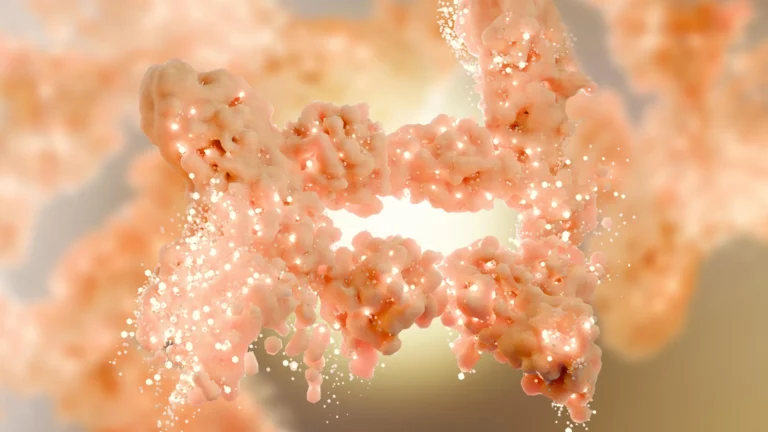












For decades, the biological narrative surrounding mitochondria has been relatively straightforward: they are the "powerhouses of the cell," the microscopic engines responsible for churning out the adenosine triphosphate (ATP) that fuels everything from a heartbeat to the complex neural firing of a thought. Yet, like any industrial engine, mitochondria do not run at a single, static speed. They are dynamic, constantly recalibrating their output based on the body’s shifting energy demands and the availability of fuel.
Until recently, the precise signaling pathways that dictate these adjustments remained a biological "black box." Now, a breakthrough study led by Professor Dr. Thorsten Hoppe and his team at the University of Cologne’s Institute for Genetics and the CECAD Cluster of Excellence on Aging Research has shed light on this mechanism. Published in the journal Nature Cell Biology, the study—titled "Leucine inhibits degradation of outer mitochondrial membrane proteins to adapt mitochondrial respiration"—reveals that the essential amino acid leucine acts as a sophisticated molecular switch, signaling mitochondria to ramp up production by stabilizing critical machinery.
The Essential Messenger: Decoding the Role of Leucine
Leucine is categorized as an "essential" amino acid, meaning the human body lacks the synthetic machinery to create it independently. It must be ingested through dietary sources such as dairy, red meat, legumes, and lentils. While nutritionists have long emphasized the role of amino acids as the "building blocks" of muscle tissue and protein synthesis, the University of Cologne research suggests that leucine’s utility extends far beyond simple construction.
At the cellular level, leucine serves as a metabolic sensor. When dietary intake of leucine is sufficient, it alerts the cell that resources are abundant. The research team discovered that this signal prevents the degradation of specific proteins located on the outer mitochondrial membrane. These proteins are the "gatekeepers" of the mitochondria, facilitating the transport of essential molecules into the organelle’s inner matrix, where the actual energy-producing chemical reactions occur. By preserving these transport proteins, leucine ensures that the mitochondrial machinery remains fully operational and primed for high-output performance.
A Chronology of Discovery: From Quality Control to Metabolic Adaptation
The path to this discovery was rooted in the study of cellular quality control. Every cell is equipped with a rigorous "cleanup crew" designed to identify and destroy damaged or misfolded proteins—a process vital to preventing cellular dysfunction and toxic accumulation.
The SEL1L Connection
The researchers traced the regulatory effect of leucine to a protein known as SEL1L. This protein is a central component of the endoplasmic reticulum-associated degradation (ERAD) pathway, the cell’s primary system for identifying proteins destined for recycling.
The investigative timeline proceeded as follows:
- Initial Observation: The team noted that variations in nutrient levels—specifically amino acids—caused fluctuating patterns in mitochondrial respiration.
- Identification: By screening various cellular interactions, they identified SEL1L as the mediator that decides which proteins remain in the mitochondrial membrane and which are broken down.
- The Mechanism: The team discovered that high levels of leucine inhibit the activity of SEL1L. When SEL1L activity is suppressed, fewer transport proteins are flagged for destruction.
- Optimization: This leads to a higher density of functional proteins on the mitochondrial surface, directly correlating to increased energy output.
This discovery highlights a sophisticated level of biological "triage." Instead of just providing fuel, the cell uses leucine as a command signal to keep its most efficient workers on the assembly line, rather than sending them to the recycling plant.
Supporting Data: Modeling the Metabolic Shift
To validate these findings, the team employed a multi-tiered approach, moving from molecular observation to complex organismal models.
Caenorhabditis elegans as a Model
The researchers utilized C. elegans, a transparent roundworm that serves as a cornerstone of modern biology due to its conserved genetic pathways. By manipulating the worms’ leucine metabolism, the scientists observed immediate, tangible consequences. Disruptions in the leucine-sensing pathway did not just result in "sluggish" cells; they led to severe impairments in mitochondrial function that directly manifested as fertility issues. This served as a potent indicator of how vital this specific nutrient-sensing mechanism is for developmental and reproductive health.
Human Cancer Cell Analysis
Perhaps the most intriguing data came from human lung cancer cell lines. Cancer cells are notorious for their metabolic flexibility; they often "reprogram" their energy usage to support rapid, unchecked growth. The study found that certain mutations in the leucine-metabolism pathway allowed cancer cells to maintain high energy production despite stressful conditions. This suggests that the leucine-SEL1L axis is a target that cancer cells exploit to maintain their survival, offering a potential new avenue for pharmacological intervention in oncology.
Official Responses and Scientific Perspective
The implications of this research were underscored by the primary investigators. Dr. Qiaochu Li, the lead author of the study, expressed excitement regarding the precision of the finding. "We were thrilled to discover that a cell’s nutrient status, especially its leucine levels, directly impacts energy production," Dr. Li noted. "This mechanism enables cells to swiftly adapt to increased energy demands during periods of nutrient abundance."
However, the team was quick to temper the excitement with a necessary scientific caveat regarding the "quality control" aspect of the mechanism. While boosting energy production sounds universally beneficial, the researchers cautioned against simplistic interpretations.
"Modulating leucine and SEL1L levels could be a strategy to boost energy production," Dr. Li explained. "However, it is important to proceed with caution. SEL1L also plays a crucial role in preventing the accumulation of damaged proteins, which is essential for long-term cellular health."
The balance between energy production and protein quality control is delicate. If a therapy were to indiscriminately inhibit SEL1L to force mitochondria to work harder, the cell might lose its ability to clear out damaged or mutated proteins, potentially leading to the very cellular toxicity that the body works so hard to prevent.
Clinical Implications: The Future of Metabolic Medicine
The discovery of the leucine-SEL1L link opens a new chapter in the study of metabolic disorders. Many chronic diseases, including type 2 diabetes, neurodegenerative conditions, and certain cancers, are characterized by "mitochondrial dysfunction"—a state where the cell’s energy production is either insufficient or improperly regulated.
Potential Therapeutic Targets
By identifying the proteins that act as "brakes" on mitochondrial efficiency, researchers now have a specific target for drug development. Rather than attempting to change global nutrient intake—which is difficult to control and often has systemic side effects—future treatments might involve small-molecule inhibitors that selectively modulate the SEL1L pathway to protect mitochondria in specific tissues, such as neurons or muscle cells.
Redefining Dietary Influence
The research also challenges the public to look at diet through a new lens. For years, the health community has debated the role of proteins and amino acids in longevity. This study suggests that nutrients should be viewed not just as metabolic "fuel," but as "informational molecules" that dictate the structural integrity of our cellular machinery.
Broader Impact and Funding
The study’s publication in Nature Cell Biology has been met with significant interest from the scientific community, as it provides a bridge between nutrient sensing and organelle homeostasis. The work was supported by a robust consortium of European and German research bodies, including the German Research Foundation (DFG) via the Excellence Strategy of the CECAD Cluster, and the European Research Council (ERC) under the "Cellular Strategies of Protein Quality Control-Degradation" (CellularPQCD) grant.
Conclusion: A New Paradigm for Cell Health
The research from the University of Cologne serves as a reminder that the human body is a masterpiece of complex signaling. We are no longer looking at mitochondria as simple, isolated furnaces, but as highly responsive, integrated components of a larger cellular conversation.
By defining the role of leucine as a guardian of mitochondrial protein stability, Dr. Hoppe and his team have provided more than just an academic answer; they have provided a roadmap for future medical interventions. Whether it is in the fight against cancer, the treatment of metabolic disease, or the fundamental understanding of aging, the leucine-SEL1L pathway has emerged as a critical checkpoint. As science moves forward, the focus will likely shift toward how we can safely harness this "nutrient-sensing" switch to help the body maintain its own energy-producing machinery, ensuring that our internal powerhouses continue to function with the precision and adaptability that life demands.