






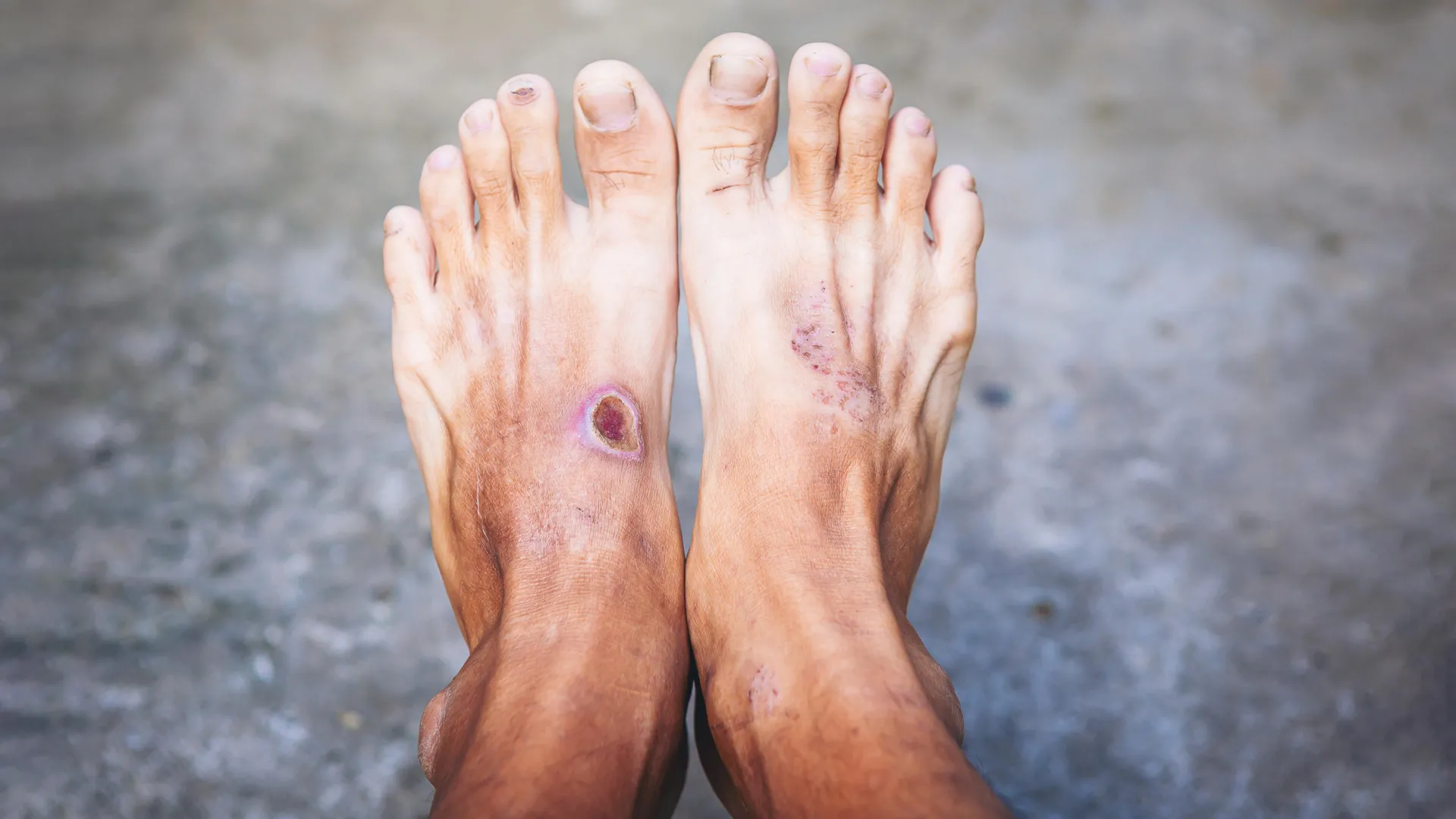
Chronic diabetic ulcers represent one of the most formidable challenges in modern medicine. Affecting more than 131 million individuals globally, these non-healing wounds are not merely a clinical inconvenience; they are a systemic crisis. With an annual global healthcare burden exceeding $755 billion, these wounds carry life-altering risks, including severe infection, recurrent hospitalization, limb amputation, and premature mortality.
For years, the medical community has sought to understand why diabetic tissue—unlike healthy skin—fails to initiate the complex, orchestrated sequence of repair. A landmark review led by Yi Ru and colleagues has finally begun to map the "cellular choreography" of this failure, revealing that the key to healing may lie in the dysfunctional interplay of the immune system.
The Chronology of Failure: How Healing Goes Awry
To understand the diabetic wound, one must first understand the healthy healing process. Under normal conditions, tissue injury triggers a tightly regulated immune response. It begins with the recruitment of neutrophils and monocytes, which clear debris and pathogens. These cells then hand off responsibilities to macrophages, which transition from a pro-inflammatory "M1" state to a pro-reparative "M2" state, signaling the body to begin tissue regeneration.
In the diabetic patient, this timeline is fundamentally disrupted. The review highlights that in chronic wounds, the "off switch" for inflammation is never triggered. Instead of a smooth transition from inflammation to proliferation and remodeling, the wound environment remains locked in a state of hyper-inflammation. This "stalled" biology means the wound remains perpetually stuck in the inflammatory phase, unable to progress to the healing stages required for closure.
Supporting Data: The Cellular Cast of Characters
The research by Yi Ru and colleagues provides a comprehensive breakdown of the specific immune cells responsible for this physiological gridlock.
The Macrophage Polarization Impasse
Macrophages are the workhorses of the immune system, but in diabetes, they are prone to stagnation. In a healthy wound, the M1-to-M2 transition is the hallmark of progress. In diabetic wounds, macrophages often remain trapped in the M1, pro-inflammatory state. This persistent activation results in a continuous bombardment of the tissue with inflammatory cytokines, which prevents the maturation of new skin cells and destroys the delicate scaffolding of the healing wound.
Neutrophils and the "Trapping" Effect
Neutrophils arrive at the site of injury within minutes. While their role is to protect the body, in diabetic wounds, their behavior becomes pathological. The review points to the poorly regulated formation of "neutrophil extracellular traps" (NETs). These webs of proteins and DNA are meant to catch bacteria but, when left unchecked in a diabetic environment, they release toxic proteases and reactive oxygen species that damage healthy tissue, further sustaining the cycle of inflammation.
Dendritic Cells and the Failure of Cleanup
Dendritic cells act as the bridge between the innate and adaptive immune systems. A critical function of these cells is "efferocytosis"—the clearance of apoptotic (dead) cells. The study identifies the SLC7A11 transporter as a key regulator of this process. In diabetic conditions, the activity of this transporter is reduced, causing dendritic cells to fail in their cleanup duties. The accumulation of cellular debris acts as a constant "alarm signal," ensuring the wound remains inflamed and unresponsive to external healing stimuli.
T Cells and the Loss of Regulation
Regulatory T cells (Tregs) are the peacekeepers of the immune system, designed to suppress excessive activity. In diabetic wounds, both the population and the efficacy of these cells are diminished. Furthermore, specialized dendritic epidermal T cells, which are crucial for keratinocyte multiplication, show significantly lower activation levels in diabetic patients, effectively silencing the body’s internal "repair crew."
The Roles of B Cells and Natural Killer Cells
Emerging data suggest that B cells and Natural Killer (NK) cells are more than just bystanders. While B cells were once overlooked in wound healing, evidence now suggests they can influence macrophage polarization toward the beneficial M2 state. Conversely, NK cells, when properly functioning, help regulate the formation of new blood vessels (angiogenesis). In the diabetic wound, these subtle interactions are often silenced or misdirected, depriving the wound of the signaling necessary for closure.
Implications for Clinical Practice: A Paradigm Shift
The findings presented by Yi Ru and colleagues shift the focus from "treating the hole in the skin" to "reprogramming the immune response." This has profound implications for how we approach diabetic foot ulcers and other chronic wounds.
Moving Beyond Topical Treatments
Current standards of care often rely on wound dressings and offloading techniques. However, the future of treatment lies in biologics and cellular reprogramming. Topical anti-cytokine therapies, which can intercept the persistent inflammatory signals keeping the wound in a "stalled" state, represent a major frontier.
Furthermore, the review highlights the potential of:
- Mesenchymal Stem Cell (MSC) Therapies: These cells, and the extracellular vesicles derived from them, offer broad, systemic immune-regulating effects that could "reset" the wound environment.
- Advanced Biomaterials: Smart dressings capable of delivering localized, controlled releases of immune-modifying drugs directly into the wound bed.
- IL-15 Superagonists: These compounds hold promise for boosting the activity of specialized T cells, effectively restarting the proliferative phase of healing.
- Redox-Regulation Technologies: Innovations such as Janus lipozyme technologies are being designed to manage the reactive oxygen species that contribute to tissue damage, helping to restore homeostasis.
The Importance of Precision Timing
Perhaps the most significant takeaway from the research is the emphasis on chronology. The immune environment of a wound is dynamic; it shifts from inflammatory to proliferative to remodeling. A treatment that is highly effective in the inflammatory phase may be entirely useless—or even harmful—if applied during the remodeling phase.
This underscores the need for "immune profiling." In the future, clinicians may not treat a diabetic ulcer with a one-size-fits-all approach. Instead, they will analyze the specific immune cell composition of the wound to determine exactly which phase the wound is stuck in, allowing for the administration of personalized, stage-specific therapies.
Conclusion: The Path Forward
The work of Yi Ru and colleagues serves as a clarion call for a more sophisticated, biological approach to diabetic ulcer care. By viewing the chronic wound as a failed immune process rather than a static lesion, the medical community can move toward therapies that do more than cover the wound—they can actually prime the body to finish the job of healing.
As researchers continue to explore the complexities of macrophage polarization, the regulation of T cell populations, and the potential of combination therapies, the goal of reducing the staggering human and economic cost of diabetic ulcers becomes increasingly attainable. The path forward is complex, but for the millions living with the constant threat of amputation, this deeper understanding of our own internal defenses offers a new and vital sense of hope.