





Introduction: The Evolution of Lifestyle in a Shifting Landscape
As we move further into the decade, the concept of "normalcy" has undergone a radical transformation. The year 2021 served as a bridge between the abrupt, chaotic shifts of the initial 2020 lockdowns and the emerging reality of a world learning to live alongside endemic health challenges. During this period, public habits—particularly those related to nutrition, physical activity, and sleep—fluctuated significantly, reflecting a global population attempting to reclaim pre-pandemic routines while holding onto newfound wellness habits.
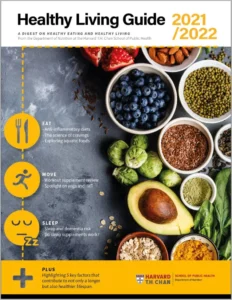
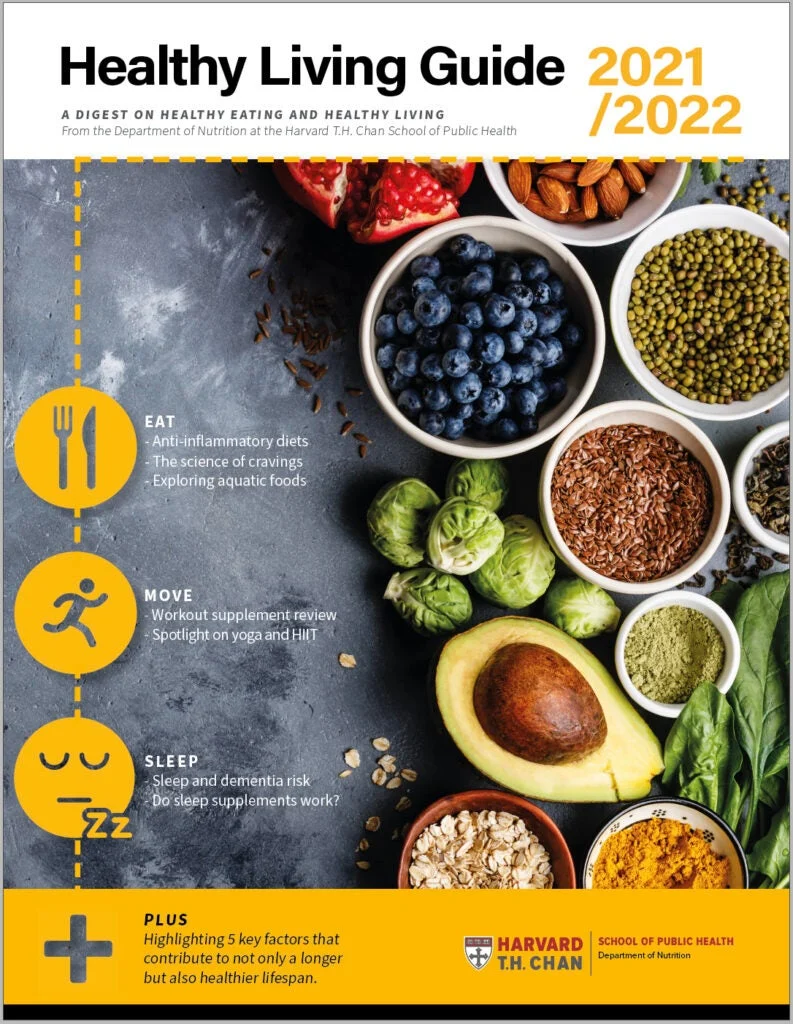
To support individuals in this transition, the Harvard T.H. Chan School of Public Health has released its latest Healthy Living Guide. This resource serves not merely as a collection of tips, but as a critical synthesis of current research designed to help the public navigate the complexities of modern health.
Main Facts: The State of Public Health and Nutrition
The most recent data highlights a distinct cooling-off period regarding the reactive dietary habits formed at the onset of the pandemic. In 2020, as the world retreated indoors, consumers adopted compensatory eating behaviors, such as increased snacking and overall caloric intake, often as a response to stress, boredom, or the disruption of professional routines.
By 2021, however, consumer surveys revealed a stabilization in these patterns. The frantic pace of the early pandemic snacking trend slowed, with a significant drop in the number of individuals reporting increased food consumption. Yet, this positive trend was tempered by a decline in the "home-cooking renaissance." While 60% of Americans reported cooking more at home in 2020, that figure dropped to 47% by 2021, suggesting a return to the convenience-driven, time-constrained dietary patterns of the pre-2020 era.
Crucially, the Healthy Living Guide reminds us that health is not a monolith. The pandemic has deepened existing disparities in food security, highlighting that healthy eating is as much a socioeconomic issue as it is a personal choice. As we look toward the future, the integration of balanced nutrition, consistent physical activity, and restorative sleep remains the gold standard for maintaining immunity and long-term vitality.
Chronology: A Timeline of Behavioral Adaptation
To understand where we are, we must look at the trajectory of the past 24 months:
- Early 2020 (The Shock Phase): Global lockdowns force a sudden shift in lifestyle. Home cooking spikes as restaurants shutter; sedentary behaviors increase; "stress snacking" becomes a coping mechanism for many.
- Late 2020 (The Adjustment Phase): The public begins to seek structure. The initial Healthy Living Guide (2020-2021) is released, focusing on the basics of nutrition and the importance of maintaining movement despite isolation.
- 2021 (The Transition Phase): The "new normal" emerges. Data shows a decrease in panic-based eating. However, there is a noted decline in home-cooking frequency as people resume busier professional schedules.
- 2022 and Beyond (The Sustainable Phase): A focus on long-term, scalable habits. The latest Healthy Living Guide emphasizes that health is a lifelong practice, not a reactionary measure to external crises.
Supporting Data: Understanding the Trends
According to the 2021 Food and Health Survey, the statistical shifts in American behavior were profound.
Dietary Trends
- Increased Snacking: 32% (2020) vs. 18% (2021). The sharp decline indicates a return to more structured meal times, though the 18% still represents a notable increase over pre-2019 baseline data.
- General Overeating: 20% (2020) vs. 11% (2021). This suggests that as individuals regained control over their environments, the psychological drive to consume for comfort dissipated.
- Home Cooking Frequency: 60% (2020) vs. 47% (2021). The 13-point drop serves as a cautionary tale; as the economy reopened, the convenience of processed or takeout food reclaimed market share from the healthier, more controlled environment of the home kitchen.
Socioeconomic Disparities
While the data captures national averages, it masks the reality for low-income populations. The pandemic exacerbated "food deserts" and supply chain disruptions, making healthy choices less accessible for millions. The Healthy Living Guide addresses these systemic issues by providing resources that emphasize low-cost, nutrient-dense staples, ensuring that health is accessible regardless of one’s financial standing.
Official Responses and Public Health Perspectives
Public health experts at Harvard and beyond have been vocal about the need for a holistic approach to wellness. The emergence of new COVID-19 variants serves as a sobering reminder that individual health behaviors—like diet and sleep—are foundational to immune resilience. However, experts emphasize that personal responsibility is only one side of the coin.
"Individual habits are vital," notes the editorial team behind the guide, "but we must also acknowledge the global necessity of equitable vaccination and public health infrastructure." The guide calls for a dual focus: personal accountability in diet and lifestyle, and global advocacy for health equity. By bolstering the immune system through proper nutrition and activity, individuals can better manage the stressors of a changing world, but this must be paired with broad-reaching policy changes that address food insecurity at the source.
Implications: Building a Resilient Future
The implications of these findings are clear: we are at a crossroads in public health. The habits we solidified during the pandemic are now becoming entrenched. If we allow the decline in home cooking and the return to sedentary professional life to continue unchecked, we risk a long-term decline in population health markers.
The Pillars of Resilience
- Nutrition: The Healthy Living Guide advocates for whole-food, plant-forward diets. The shift away from home cooking is a primary risk factor for the consumption of ultra-processed foods. Reclaiming the kitchen is not just a hobby; it is a primary health intervention.
- Activity: Physical activity is often the first casualty of a busy schedule. The guide emphasizes "incidental movement"—incorporating exercise into the workday rather than relying solely on gym sessions.
- Sleep: Often the most overlooked component of the "healthy living triad," sleep is essential for hormonal regulation, immune response, and mental health. The 2022 guide provides updated strategies for sleep hygiene in a high-stress, digital-heavy environment.
A Call to Action
The Healthy Living Guide is more than a document; it is a call to take ownership of one’s biological reality. As we navigate the "twists and turns" of the ongoing pandemic, the guide serves as a practical, evidence-based roadmap. By revisiting core themes and engaging with the printable resources provided, individuals can build a personal health architecture that is capable of withstanding external shocks.
Conclusion: Accessing the Tools for Change
We invite readers to engage with the Healthy Living Guide as a proactive measure. Whether you are a student, a parent, or a professional, the synthesis of data and actionable advice within this year’s edition is designed to be highly accessible.
By downloading the printable tip sheets, individuals can create a visual, daily reminder of their wellness goals. Furthermore, the inclusion of knowledge tests allows readers to audit their own health literacy, ensuring that they are not just reading about health, but actively applying it to their daily lives.
Take the first step today:
- Download the printable Healthy Living Guide (PDF)
- Review the 2020-2021 Edition for foundational knowledge
In a world defined by uncertainty, your health remains one of the few variables you can influence directly. May this guide serve as a valuable companion on your journey toward a healthier, more fulfilling 2022 and beyond.