









Published November 12, 2026
In an era defined by perpetual digital connectivity and the relentless pace of modern professional life, the morning hours have become the final frontier for personal agency. For many, the transition from slumber to the demands of the workday is a chaotic blur of administrative tasks and logistical preparation. However, a growing body of wellness experts is advocating for a shift in perspective: treating the first ten minutes of the day as a sacred window for nervous system regulation.
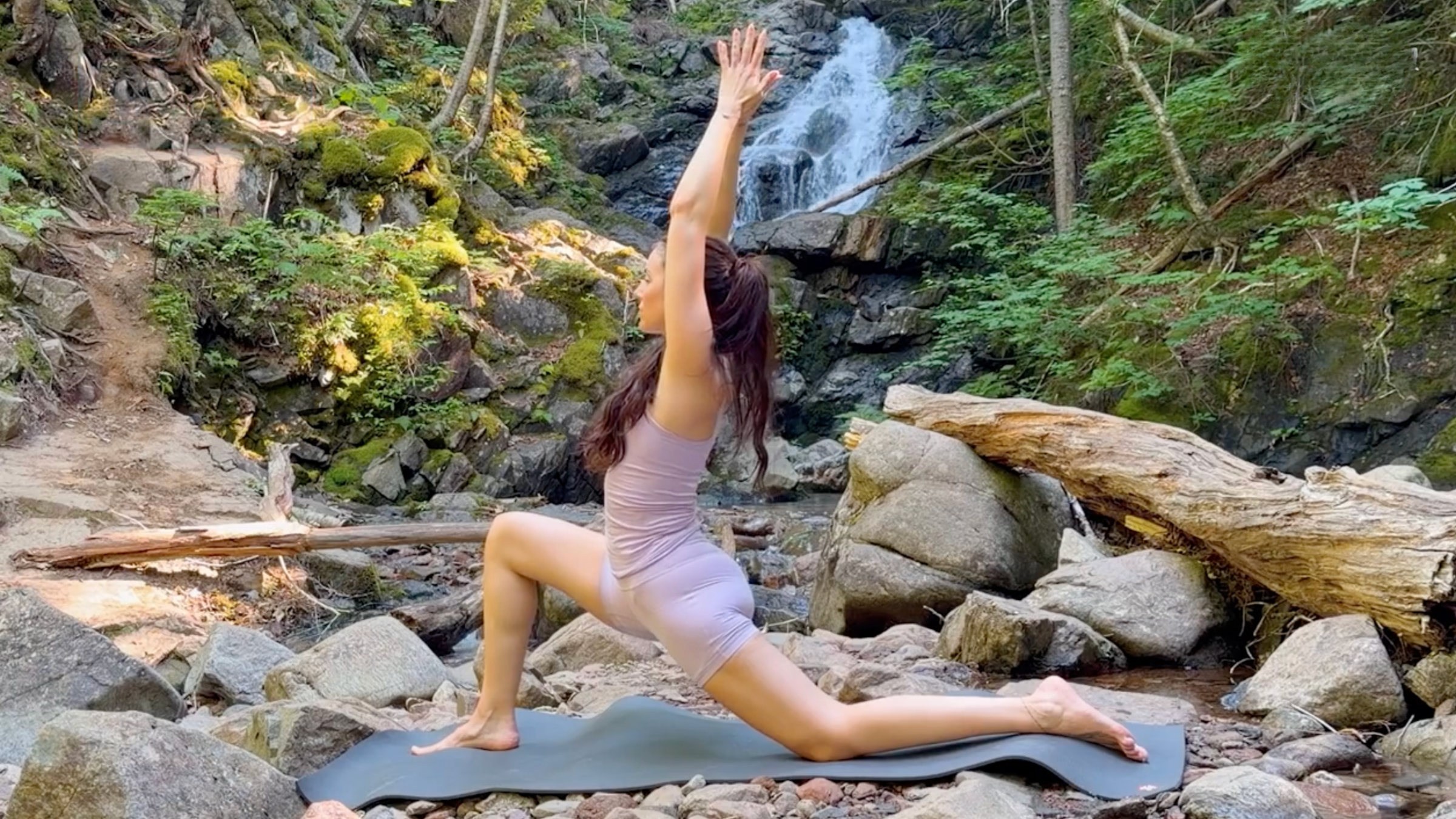
Gillian E. Boult—a multifaceted professional who balances roles as a registered social worker, psychotherapist, and yoga teacher—suggests that the antidote to modern burnout lies not in more productivity, but in the intentional practice of "co-regulation" with the natural world. By bringing the yoga mat into the wild, Boult demonstrates that the environment itself acts as a therapeutic partner, helping to soothe the nervous system, dissipate accumulated tension, and sharpen cognitive focus.
The Intersection of Nature and Neuroscience: A Professional Perspective
Boult’s approach is rooted in more than just aesthetic appreciation. As a psychotherapist, she understands the physiological impact of "nature-based regulation." When the body is placed in a natural setting—or even when the mind is directed toward a vivid visualization of one—the parasympathetic nervous system is stimulated. This biological response helps to counteract the "fight or flight" mode often triggered by morning stress.
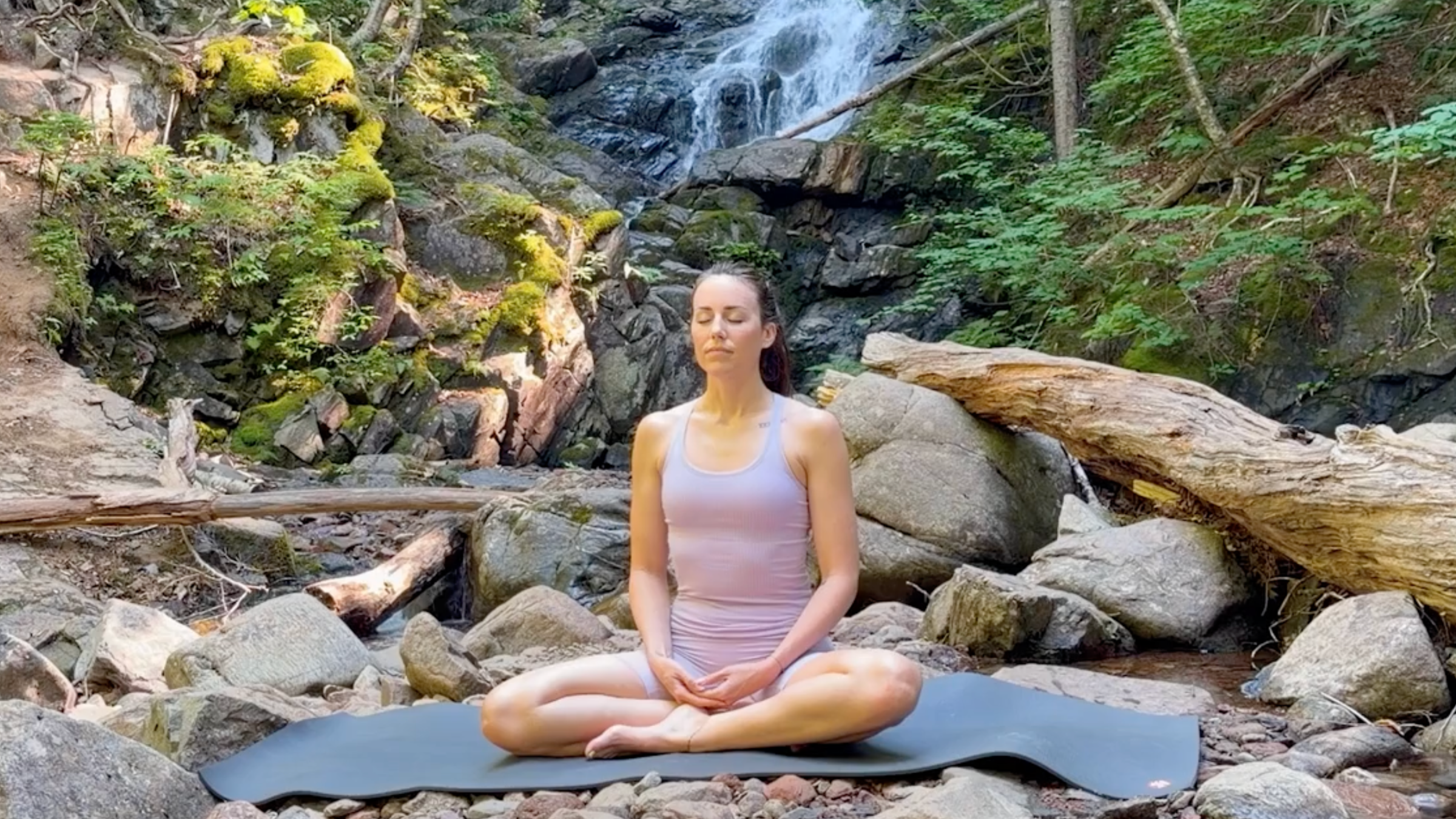
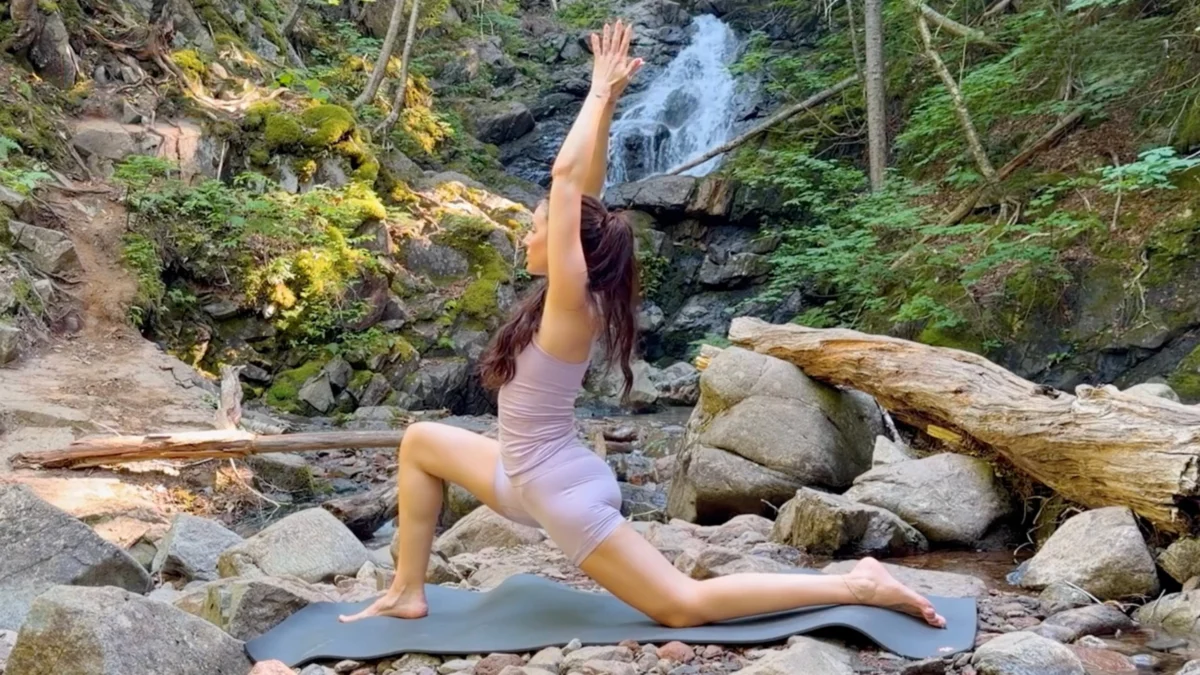
"When we step onto the mat in front of a waterfall, or even in our living rooms with the intention of grounding, we are teaching our bodies that presence is the priority," says Boult. Her latest sequence, designed to be completed in just ten minutes, serves as a bridge between the stillness of sleep and the momentum of the day. By emulating the qualities of a waterfall—constant, powerful, and ever-shifting—practitioners can begin their day with a sense of both surrender and strength.
The 10-Minute Morning Flow: A Chronological Guide
This practice requires no props, making it an accessible routine for those traveling or working with limited space. If an outdoor setting is unavailable, Boult encourages the use of guided imagery: closing the eyes and visualizing a serene, natural environment to deepen the sensory experience.
Phase 1: Establishing the Foundation (Minutes 0–2)
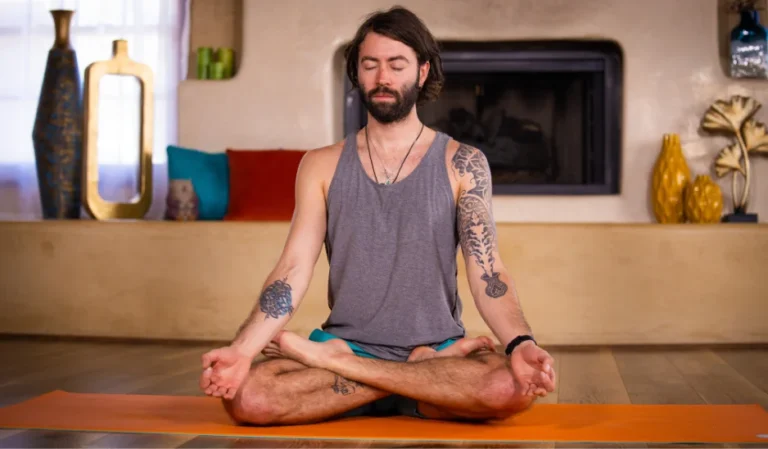
The practice begins in Easy Pose (Sukhasana). The goal here is simple: establish a vertical axis through the spine. By rooting the sit bones into the earth, the practitioner signals to the nervous system that the body is stable. Three full, deep breaths are the only requirement during this stage, serving as a palate cleanser for the mind.
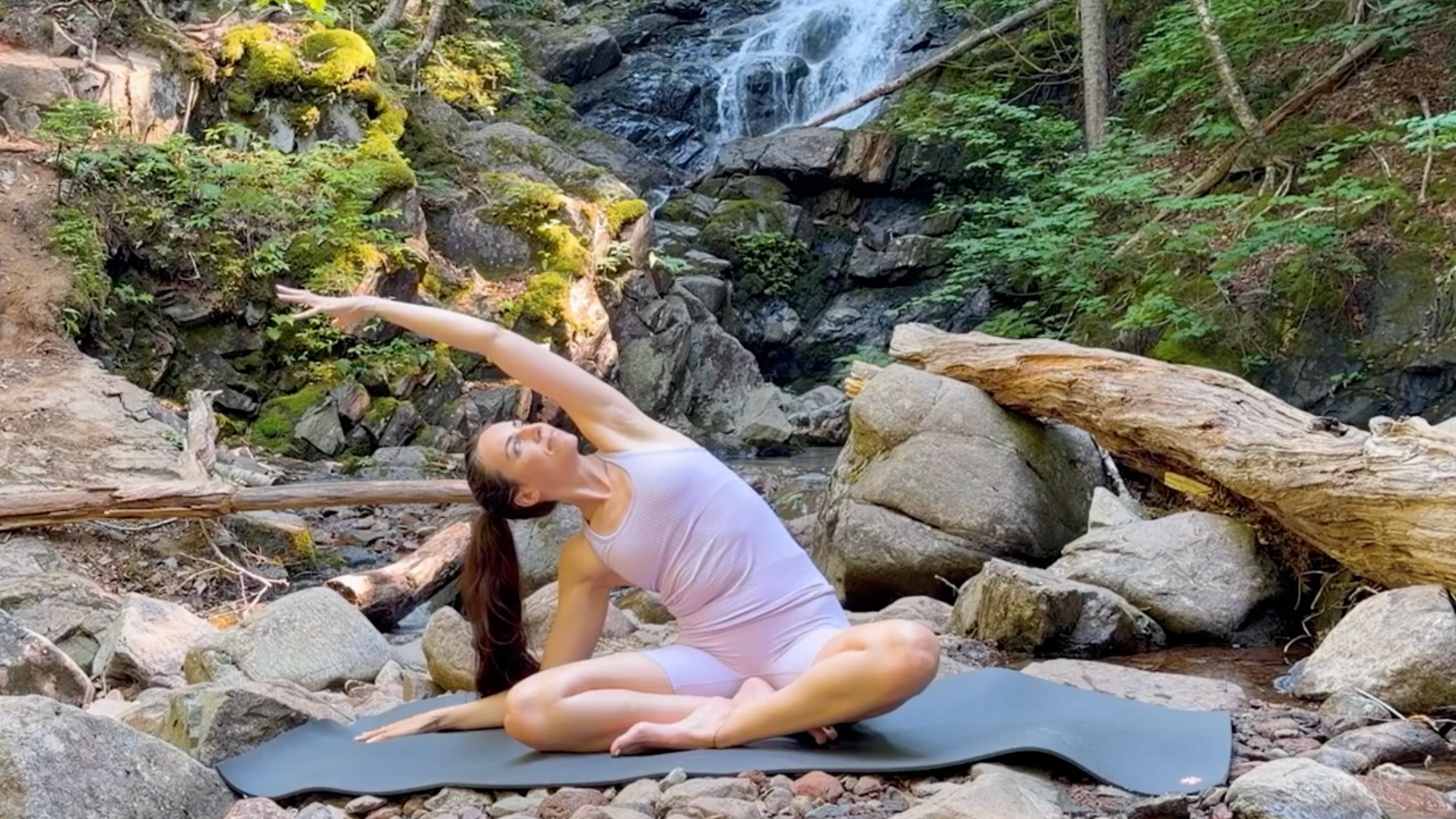
Moving into a Seated Side Bend, the practitioner introduces lateral movement. By sweeping the arms overhead and reaching, you create space between the ribs and the intercostal muscles, which facilitates deeper breathing. This stretch serves as a subtle transition from the sedentary posture of sleep into the active, mobile nature of the day.
Phase 2: Building Kinetic Energy (Minutes 2–5)
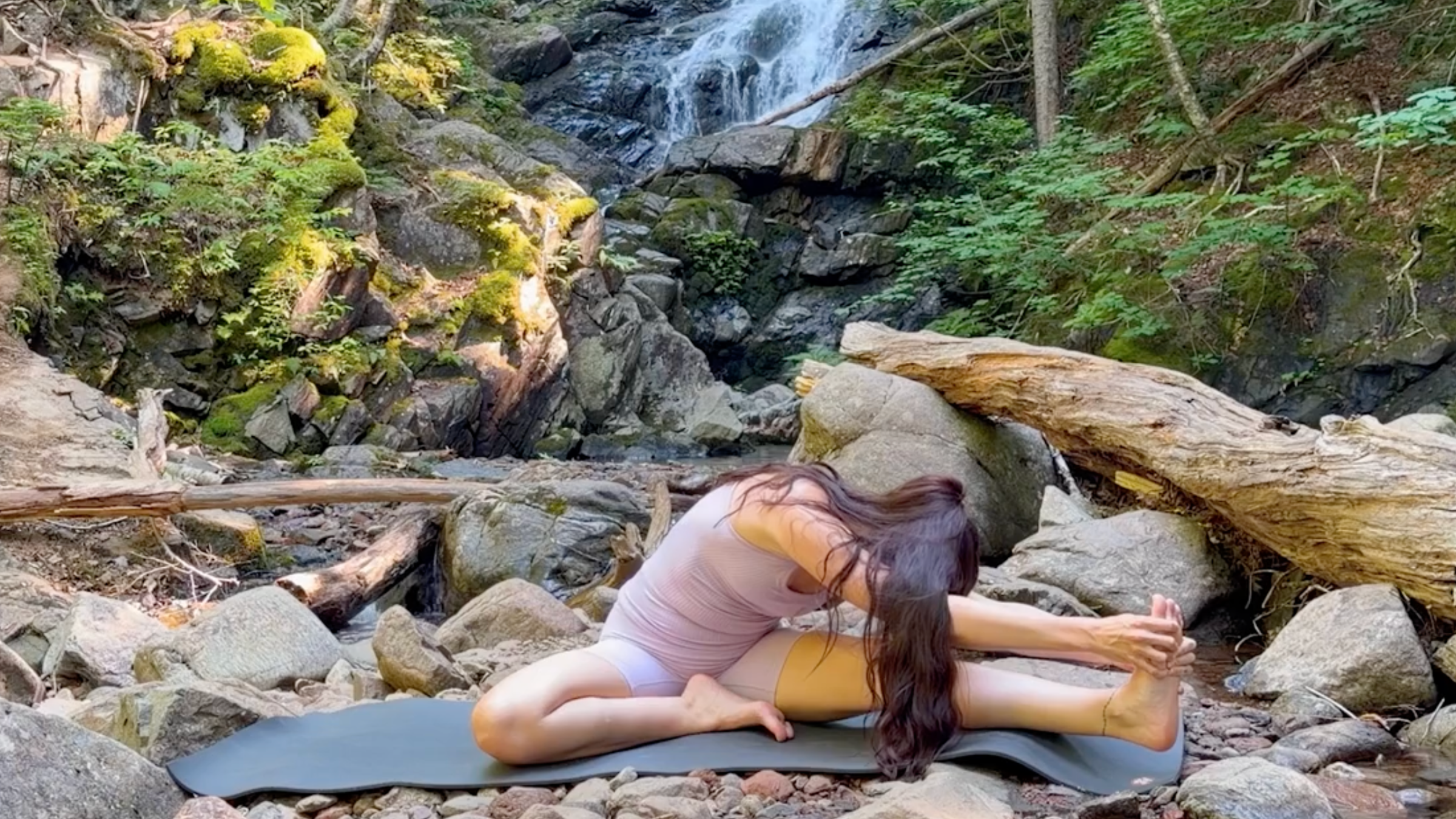
Transitioning into the Head-to-Knee Forward Bend (Janu Sirsasana), the focus shifts to the hamstrings and lower back. This pose is a vital tool for those who spend hours sitting at a desk. By hinging at the hips and allowing the torso to release, the practitioner begins to "unlock" the lower body.
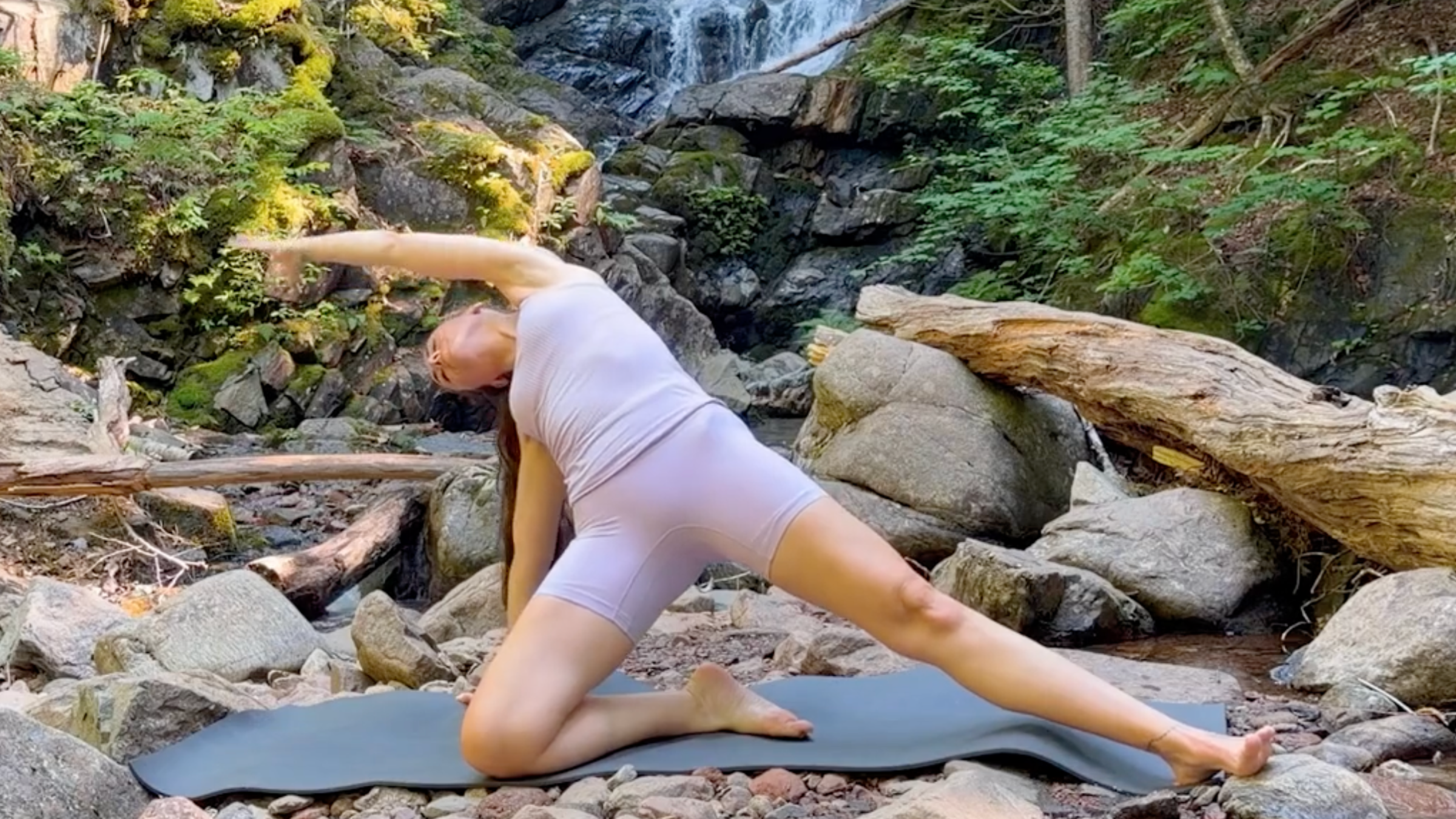
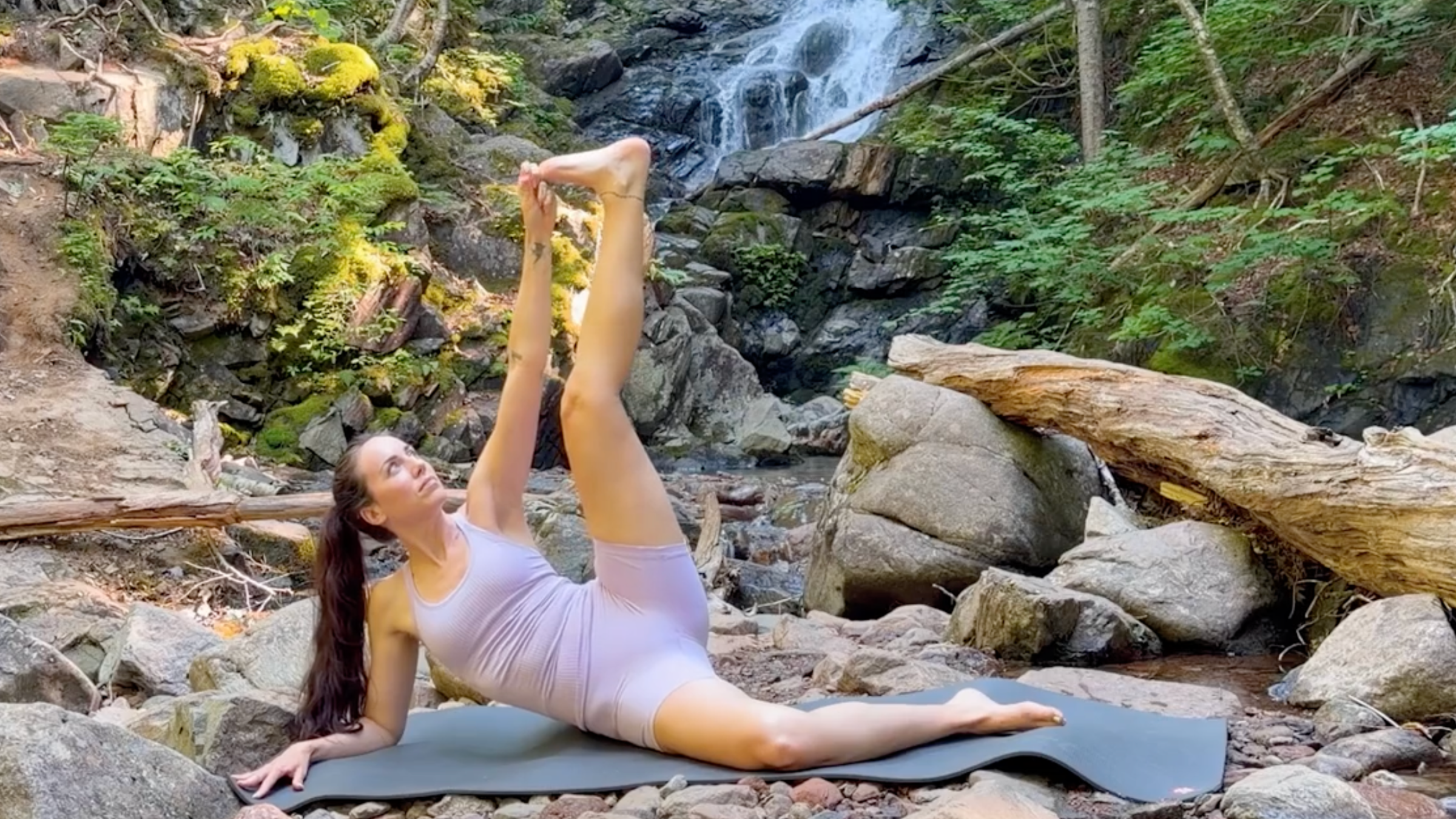
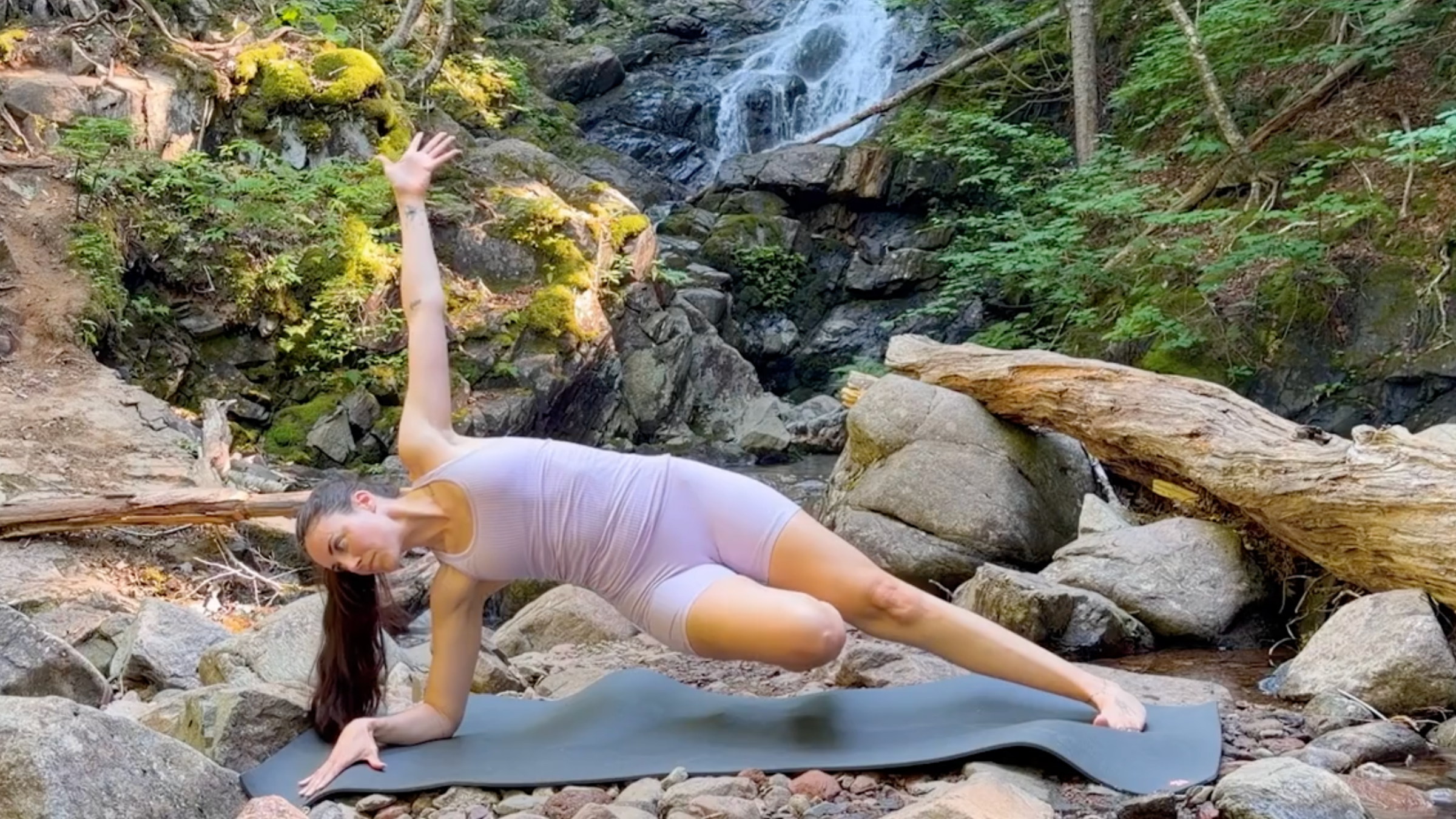
Following this, the Wild Thing Variation introduces a necessary dose of "strength-based surrender." By pressing into a hand and lifting the hips, the practitioner engages the core and opens the chest. This is a powerful antidote to the "slumping" posture often adopted during screen time. The subsequent Reclining Hand-to-Big-Toe Variation and Side Plank Variation continue this theme of engagement, utilizing the forearm as a stabilizer to build arm and oblique strength without the intensity of a high-impact workout.
Phase 3: Dynamic Movement and Grounding (Minutes 5–10)
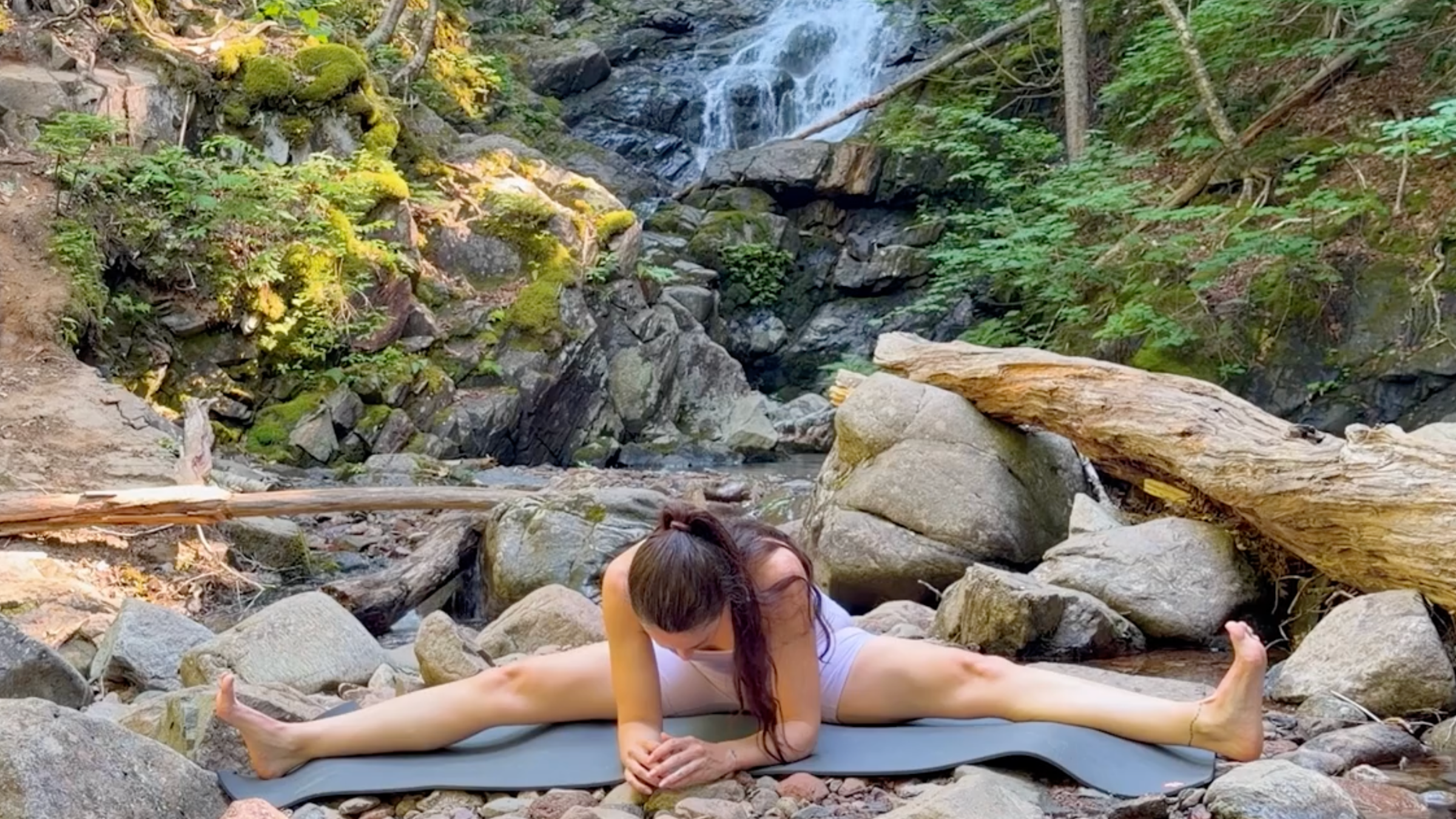
After repeating the sequence on the opposite side to ensure bilateral balance, the practice moves into a Wide-Angled Seated Forward Bend. This pose is deeply calming; by walking the hands forward, the practitioner is invited to fold inward, fostering a sense of introspection.
The flow then shifts to the Tabletop position for Hip Circles. This is perhaps the most "functional" part of the routine, as it addresses the hip flexors—the muscle group most frequently tightened by stress and prolonged sitting. By incorporating Low Lunge and Half Splits, the practitioner effectively opens the front and back of the legs, preparing the body for the physical demands of the hours ahead.
The practice concludes with Child’s Pose and Thunderbolt Pose. During these final minutes, the practitioner is encouraged to set an intention. This serves as a psychological anchor, ensuring that the calm cultivated on the mat persists long after the sequence concludes.
Supporting Data: Why Morning Movement Matters
While the spiritual and mental health benefits of yoga are well-documented, the physical implications are equally significant. Consistent morning movement, particularly routines that incorporate lateral bends and hip opening, can lead to:
- Improved Spinal Mobility: Regular morning stretching helps mitigate the stiffness that occurs during the overnight recovery phase.
- Hormonal Regulation: Engaging in gentle, rhythmic movement helps manage cortisol levels, the body’s primary stress hormone, which typically peaks shortly after waking.
- Enhanced Cognitive Function: Increased blood flow to the brain via mindful breathing and gentle inversion-style movements has been shown to improve mental clarity and focus.
"The goal is not to achieve a perfect pose," notes Boult. "The goal is to move the body in a way that respects its vitality. When you treat your morning as a time to reconnect, the rest of your to-do list becomes much more manageable."
Implications for Modern Wellness
The rise of "nature-based" yoga influencers like Boult reflects a broader shift in how society views health. We are moving away from the "no pain, no gain" mentality of the early 2000s toward a more sustainable, holistic approach. For the busy professional, the implication is clear: you do not need an hour at a high-end studio to reap the benefits of a yoga practice.
The integration of nature—whether literal or imagined—into these short routines serves as a powerful psychological buffer. In an increasingly artificial, screen-heavy world, the act of "returning to the body" through these movements acts as a reset button for the autonomic nervous system.
Conclusion: A Ritual for the Future
As we head into 2027, the demand for accessible, high-impact mental health tools will likely continue to grow. Gillian E. Boult’s 10-minute flow offers a template for this future: one that is low-barrier, high-reward, and deeply rooted in the understanding that our physical health is inseparable from our environment.
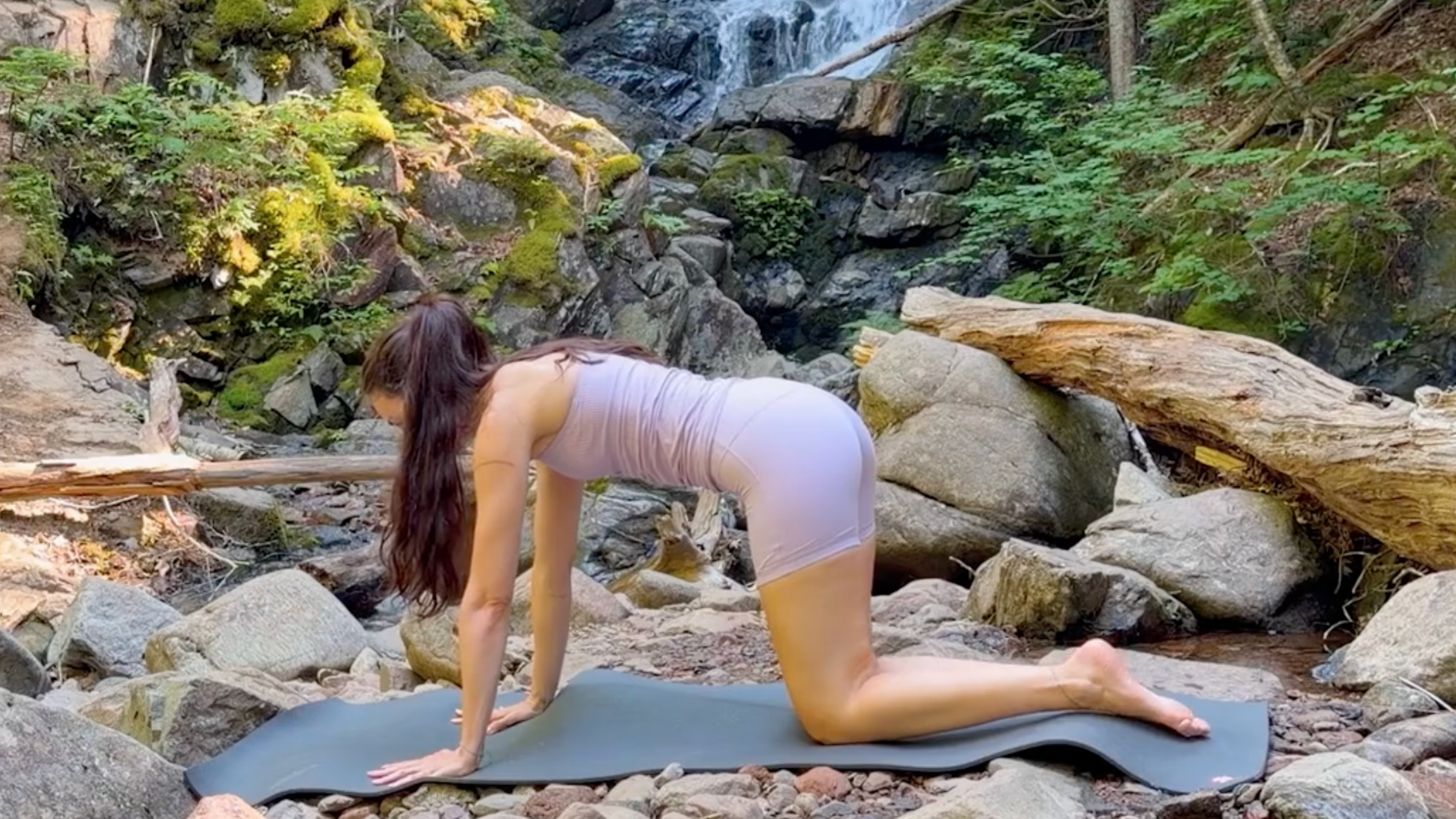
Whether you are performing these stretches before a literal waterfall or in the quiet corner of your bedroom, the message remains the same. By dedicating ten minutes to yourself, you are not just checking a box on a morning to-do list; you are reclaiming your autonomy, regulating your nervous system, and preparing your mind to face the day with grace and strength. As Boult concludes in her own practice, the most important step is simply showing up for yourself.