




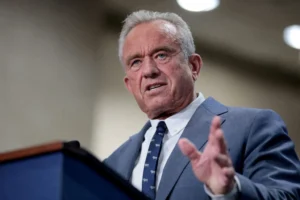

WASHINGTON — In a move that signals a seismic shift in federal drug policy, the Department of Health and Human Services (HHS) has officially committed up to $4.9 million to initiate the groundwork for the first authorized U.S. clinical studies of ibogaine. The announcement, delivered Thursday by Health Secretary Robert F. Kennedy Jr., marks a turning point for a substance that has long existed in the shadows of the "war on drugs"—a potent, hallucinogenic alkaloid derived from the root bark of the West African Tabernanthe iboga shrub.
While currently classified as a Schedule I controlled substance—a category reserved for drugs with no accepted medical use and a high potential for abuse, alongside LSD and heroin—ibogaine is now at the center of an unlikely political coalition. Supported by veterans’ advocacy groups, conservative lawmakers, and prominent media figures, the federal government is moving to test whether this radical, intense intervention can succeed where conventional medicine has failed to treat post-traumatic stress disorder (PTSD) and chronic substance abuse.
The Core Mandate: Bridging the Gap in Veteran Care
The $4.9 million in federal funding is not earmarked for immediate human testing. Instead, HHS is focusing on the "pre-clinical" infrastructure: manufacturing standards, dosing protocols, and the rigorous study design required to satisfy the Food and Drug Administration (FDA).
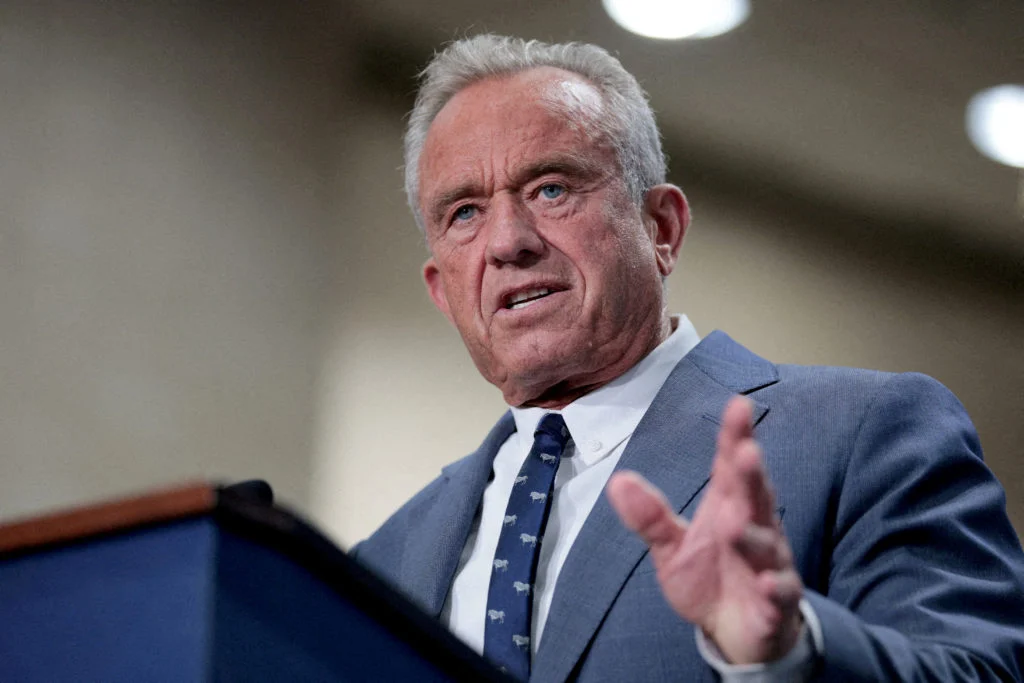
For Secretary Kennedy, this initiative is a matter of urgent public health. "We are facing a crisis of despair among those who have served our nation," Kennedy said during the press conference. "We owe our veterans the most effective science we can produce. If there is a pathway to relief that we have ignored due to outdated stigma, it is our duty to explore it."
The clinical focus is specifically on PTSD, a condition that currently afflicts hundreds of thousands of American veterans, often leading to debilitating symptoms including hypervigilance, night terrors, and severe depression. Existing pharmacological treatments, such as SSRIs, often fail to address the root causes of trauma, leading to high rates of treatment non-compliance and, tragically, a suicide rate among veterans that far outstrips the civilian population.
A Brief Chronology of the Ibogaine Movement
The path to Thursday’s announcement was not linear; it was paved by years of grassroots advocacy and a recent, rapid acceleration in political interest.
- 1960s–2000s: Ibogaine is identified as a potential treatment for opioid withdrawal and addiction. However, due to its intense psychoactive properties and physical risks, it remains prohibited in the U.S. and most Western nations, forcing proponents to establish clinics in countries like Mexico, Canada, and Brazil.
- April 2025: President Donald Trump signs an executive order directing federal health agencies to accelerate the review and research of psychedelic-assisted therapies. This order provides the formal framework for the current HHS initiative.
- Summer 2025: High-profile discussions, including dialogues between podcaster Joe Rogan and President Trump, bring the potential of ibogaine into the mainstream media cycle. According to accounts shared by Rogan, the president expressed immediate interest in the drug’s potential, asking, "Do you want FDA approval? Let’s do it."
- October 2025: The Department of Veterans Affairs (VA) and HHS finalize the partnership to leverage existing international data from Beond Inc., a Texas-based provider with a track record of treating thousands of patients in Mexico.
- November 2025: The official announcement of the $4.9 million federal grant marks the first time the U.S. government has formally backed the scientific exploration of ibogaine.
Understanding the Substance: Promise and Peril
Ibogaine is not a traditional therapeutic; it is a profound pharmacological event. Patients who have undergone treatment—often at high-cost clinics abroad—describe the experience as a "reset" of the brain’s neurochemistry.
The Mechanism
Ibogaine acts on a complex array of neurotransmitter systems, including serotonin, dopamine, and the kappa-opioid receptors. Proponents suggest it promotes "neuroplasticity," essentially allowing the brain to rewire pathways associated with trauma and addiction.
The Risks
The skepticism within the scientific community is rooted in the drug’s significant safety profile. Ibogaine can cause:
- Cardiac Arrhythmia: The most dangerous side effect, often requiring patients to have their heart rate monitored via EKG throughout the duration of the experience.
- Physical Distress: Intense nausea, vomiting, and tremors are common during the acute phase of the drug’s action, which can last for several hours.
- Psychological Intensity: The "hallucinogenic" component is often described as a waking dream, which, if not managed in a clinical setting, could be re-traumatizing rather than healing.
Because of these risks, the current federal initiative emphasizes the creation of "best-in-class" safety protocols. "We are not advocating for a free-for-all," said VA Secretary Doug Collins. "We are advocating for a disciplined, rigorous clinical environment where safety is the baseline, not an afterthought."
Data and Clinical Collaboration
A cornerstone of the government’s strategy is its collaboration with Beond Inc. By accessing the company’s anonymized data from more than 3,000 patients, federal researchers hope to bypass years of preliminary observational study.
Secretary Kennedy emphasized that this data allows for a "record drug approval process." By analyzing how patients in Mexico have reacted to various doses and how they were monitored for cardiac health, the FDA can potentially move directly into structured Phase I or II trials.
This approach acknowledges a long-standing criticism of federal drug research: the "red tape" that keeps potentially life-saving compounds locked away for decades. By partnering with private entities that have already navigated the "real-world" applications of the drug, the government is essentially attempting to "crowdsource" safety data into a format acceptable for federal oversight.
Official Responses and Political Implications
The announcement has triggered a complex response in Washington.
The Administration’s Stance:
Secretary Kennedy and Secretary Collins are framing this as a non-partisan issue of "veteran welfare." The involvement of the Trump administration, spurred by personal outreach from cultural influencers, suggests a departure from traditional "law and order" drug policies toward a pragmatic, outcomes-based approach.
The Legislative View:
While many conservative lawmakers have embraced the idea as a way to support veterans and bypass the "Big Pharma" model, others remain cautious. Some legislators have expressed concerns regarding the potential for abuse and the lack of long-term longitudinal studies on ibogaine’s effects on the human brain.
The Medical Community:
The scientific community is largely waiting for the data. While interest in "psychedelic-assisted psychotherapy" (including psilocybin and MDMA) is at an all-time high, the medical establishment remains wary of the "hype" cycle. The FDA currently has three other psychedelic applications under review, and the success—or failure—of those trials will likely dictate the speed at which ibogaine moves through the regulatory pipeline.
Implications: What Comes Next?
The federal investment in ibogaine is more than just a line item in a budget; it is an ideological pivot. If successful, this project could open the door for a new class of "neuro-regenerative" medicines.
However, the hurdles remain immense. The cost of current ibogaine treatments—often between $10,000 and $20,000 per session—makes them inaccessible to the average veteran. Furthermore, the manufacturing of a pharmaceutical-grade version of the drug that meets FDA standards is a massive technical challenge.
As the government moves forward, the focus will be on:
- Standardization: Establishing a uniform dosing protocol that minimizes cardiac risk.
- Clinical Trials: Designing studies that satisfy the FDA’s stringent requirements for efficacy and safety.
- Public Trust: Managing the transition of a "counter-culture" drug into a mainstream medical treatment.
For the veterans who have been vocal about their experiences—often claiming that a single session of ibogaine therapy did more for their PTSD than years of traditional talk therapy—this is the beginning of a long-awaited recognition. As the federal government begins this high-stakes experiment, the eyes of the global medical community remain fixed on Washington, watching to see if a once-outlawed substance can indeed become a miracle cure for the wounds of war.