









Published November 15, 2026
In an era defined by constant connectivity and the pervasive habit of "doomscrolling" until the moment of exhaustion, the concept of a restorative nighttime routine has shifted from a luxury to a physiological necessity. Shaunneka Hewitt, the founder of the popular YouTube channel Move with Shaunneka and a veteran yoga instructor with over a decade of clinical and practical experience, is challenging the modern narrative that sleep is merely an afterthought of a busy day.
Hewitt’s latest initiative—a 14-minute seated yoga sequence—is designed not as an athletic performance, but as a transitional bridge between the high-octane demands of daily life and the stillness required for deep, restorative sleep. By shifting the focus from "checking out" (the passive act of scrolling) to "checking in" (the intentional act of bodily awareness), Hewitt aims to help practitioners recalibrate their nervous systems before their heads hit the pillow.
The Case for Intentional Decompression
For many, the "nighttime routine" is an accidental construct. It is the unconscious drift from work emails to social media feeds, often punctuated by the blue light of smartphones that suppresses melatonin production. According to sleep hygiene experts, this lack of intentionality keeps the brain in a state of high alert, making it difficult to achieve the transition into the parasympathetic nervous system state—the "rest and digest" mode necessary for quality sleep.
"Movement should feel like a conversation with yourself," Hewitt explains. "When we spend 14 hours a day holding tension in our hips, shoulders, and lower back, we cannot expect our bodies to simply shut off the moment we lie down. We have to signal to our nervous system that the day is officially done."
Hewitt’s methodology draws heavily from the principles of Yin Yoga, a slow-paced style that targets the deep connective tissues. By holding poses for longer durations, the body is encouraged to release stored tension, both physical and emotional. This sequence acts as a somatic audit, allowing practitioners to identify where they are holding stress before they carry that weight into their dreams.
A Chronology of Calm: The 14-Minute Sequence
Hewitt’s routine is structured as a progressive descent into stillness. Each pose serves a specific purpose, moving from the pelvis—the body’s center of gravity—to the heart and shoulders, where stress is most commonly physically manifest.
1. Butterfly Pose (Bound Angle Pose)
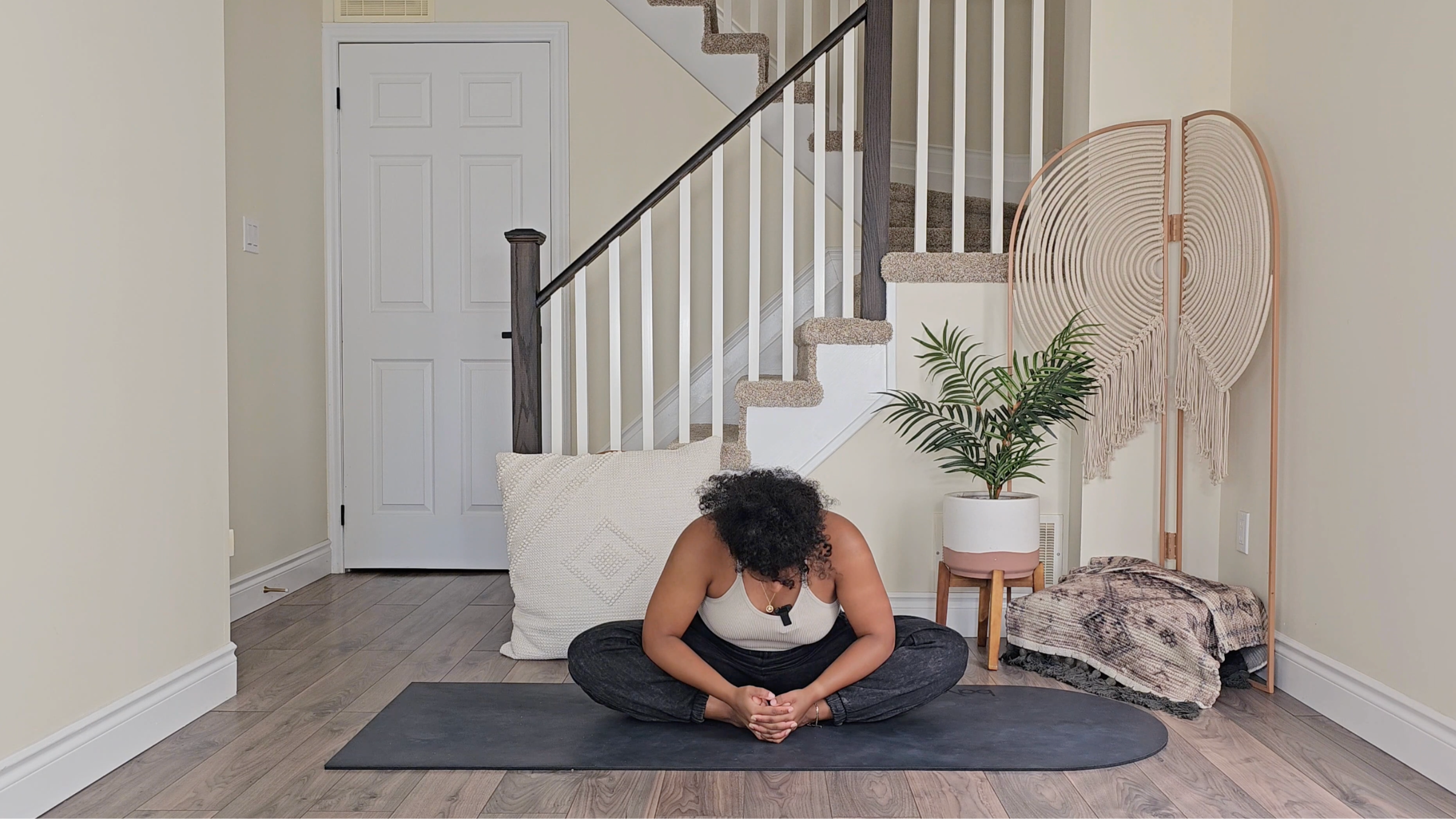
The sequence begins with the Butterfly Pose. By drawing the soles of the feet together and hinging forward with a flat back, the practitioner opens the inner thighs and groins. Hewitt emphasizes the use of the elbows to gently encourage the thighs toward the floor, facilitating a release in the hip flexors, which are often tight from prolonged periods of sitting during the workday.
2. Half Butterfly Variation
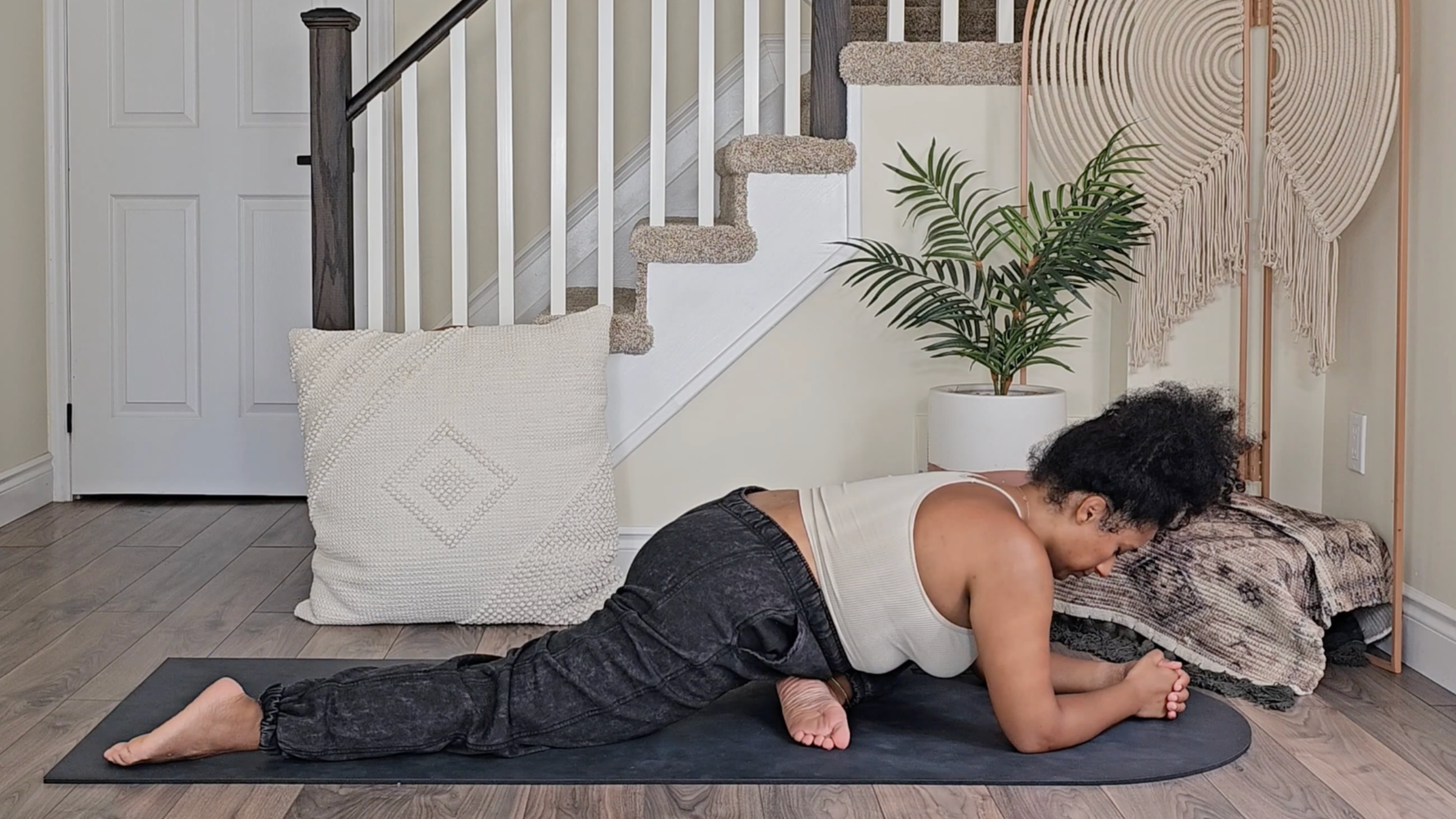
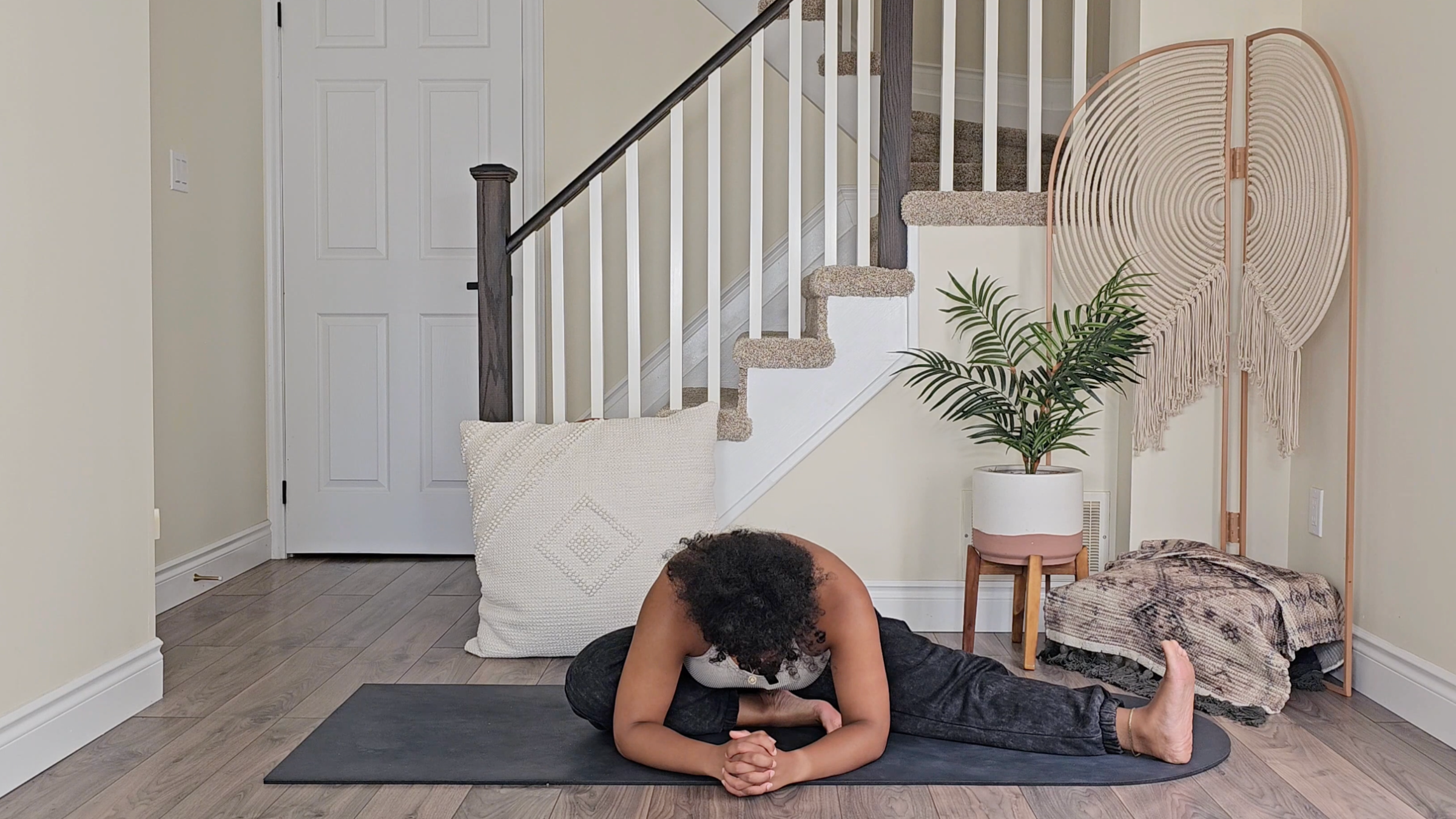
Transitioning into the Half Butterfly, one leg remains bent while the other extends to the side. This asymmetrical stretch allows for a deeper focus on the hamstring and lower back. By folding forward over the extended leg, the practitioner invites a lengthening of the posterior chain, essential for those who suffer from sedentary fatigue.
3. Deer Pose Twist
The sequence introduces rotational movement through the Deer Pose (90/90). By bending both knees at right angles and twisting the torso, the practitioner engages the obliques and thoracic spine. This rotation is particularly effective for "wringing out" the physical remnants of a long day, promoting digestion and spinal mobility.
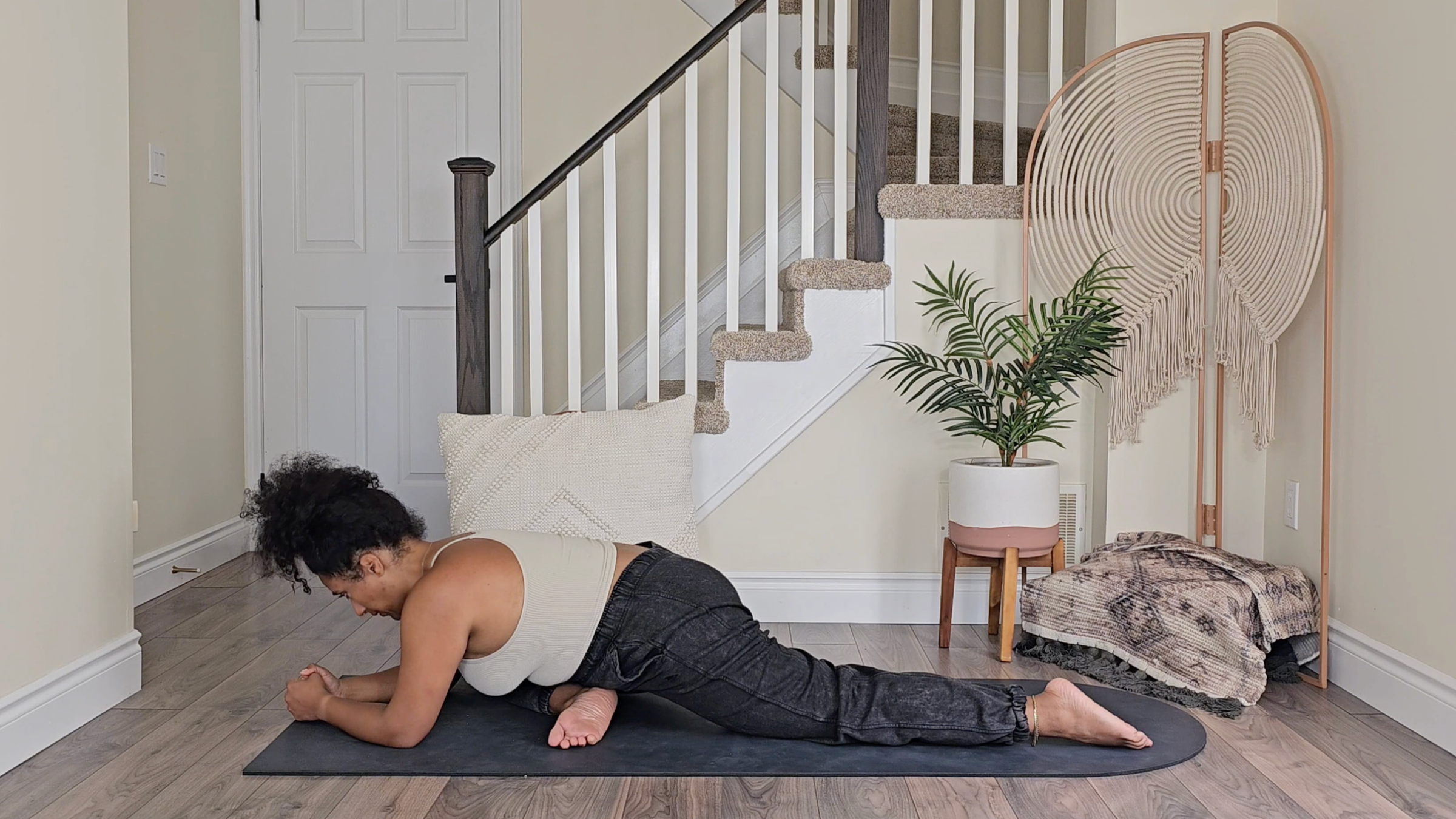
4. Pigeon Pose
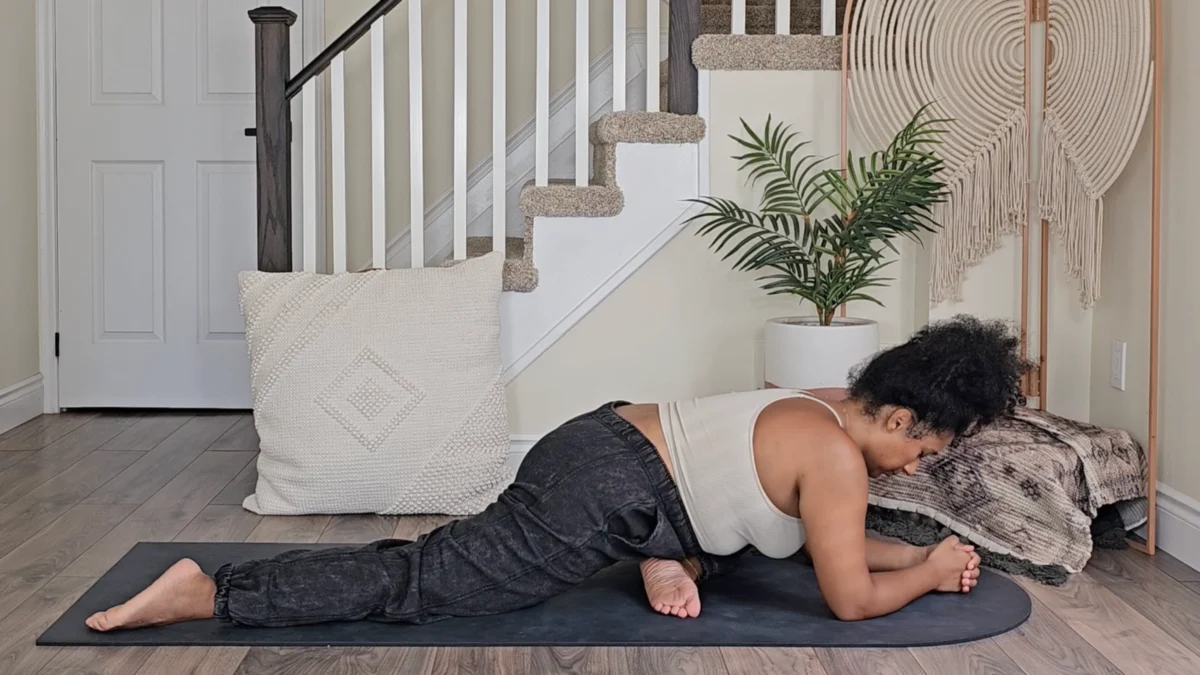
Perhaps the most potent release for the hips, the Pigeon Pose is a staple of Hewitt’s routine. By drawing one leg forward and extending the other behind, the practitioner targets the piriformis and gluteal muscles. Folding forward over the front leg allows for a surrender that is both physical and psychological. Repeating these four poses on the opposite side ensures a balanced release of the body’s bilateral tension.
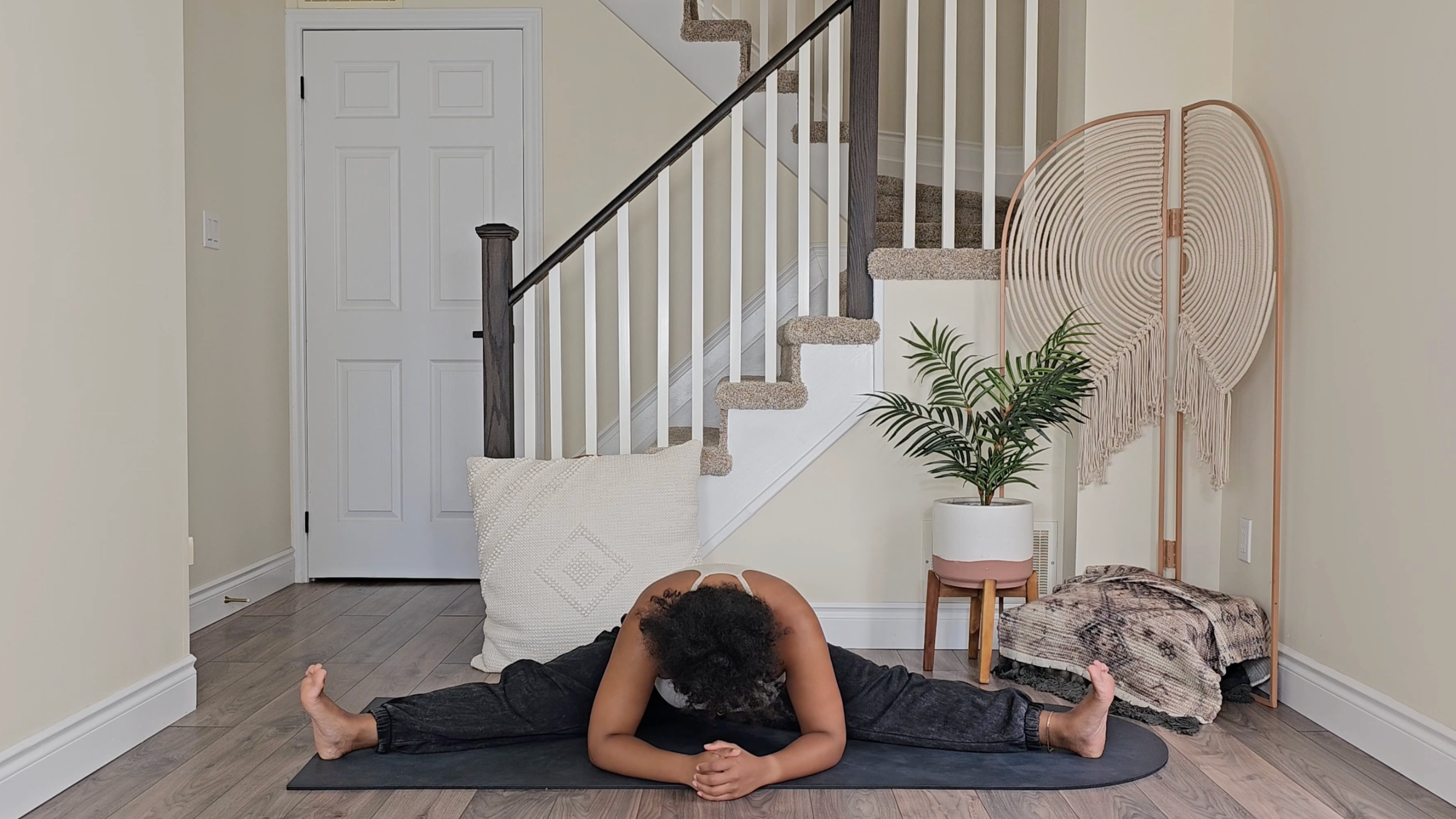
5. Wide-Legged Forward Fold
As the sequence progresses toward the floor, the Wide-Legged Forward Fold serves as an invitation to quiet the mind. With legs in a wide V-shape, the practitioner folds forward, allowing the head to hang heavy. This inversion-like quality encourages a shift in blood flow and a calming of the heart rate.
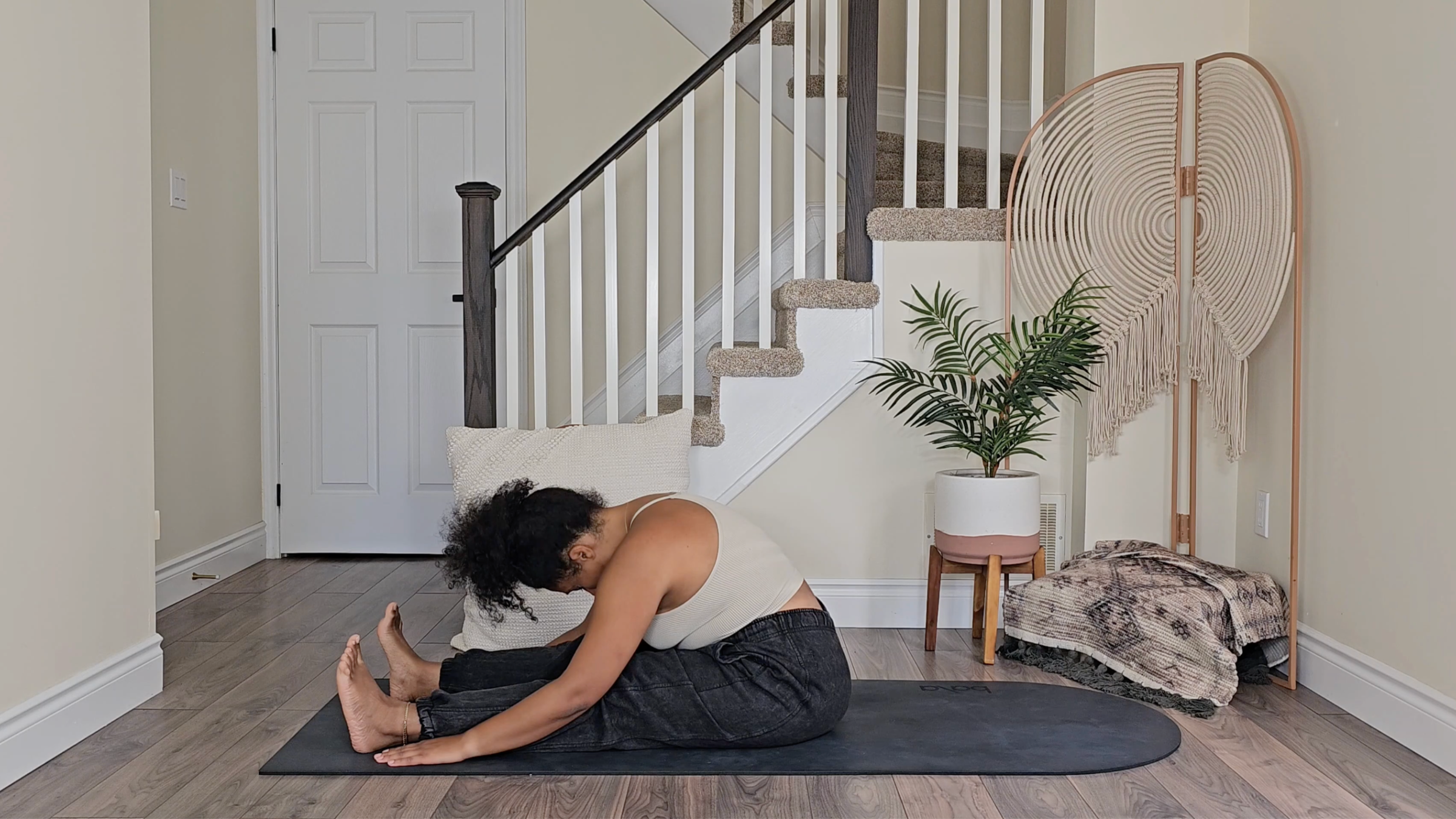
6. Seated Forward Fold
The Seated Forward Fold brings the legs together, creating a sense of containment. This posture is deeply introspective, providing a physical boundary that helps the practitioner turn their focus inward, away from the external stimuli of the day.
7. Melting Heart (Puppy Pose)
Moving from seated to a kneeling position, the Melting Heart pose targets the upper back and chest. By keeping the hips high and extending the arms forward to rest the forehead on a block or the mat, the practitioner opens the heart space, countering the "slumped" posture often adopted while working at a desk or looking at a phone.
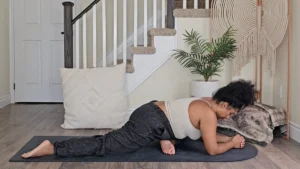
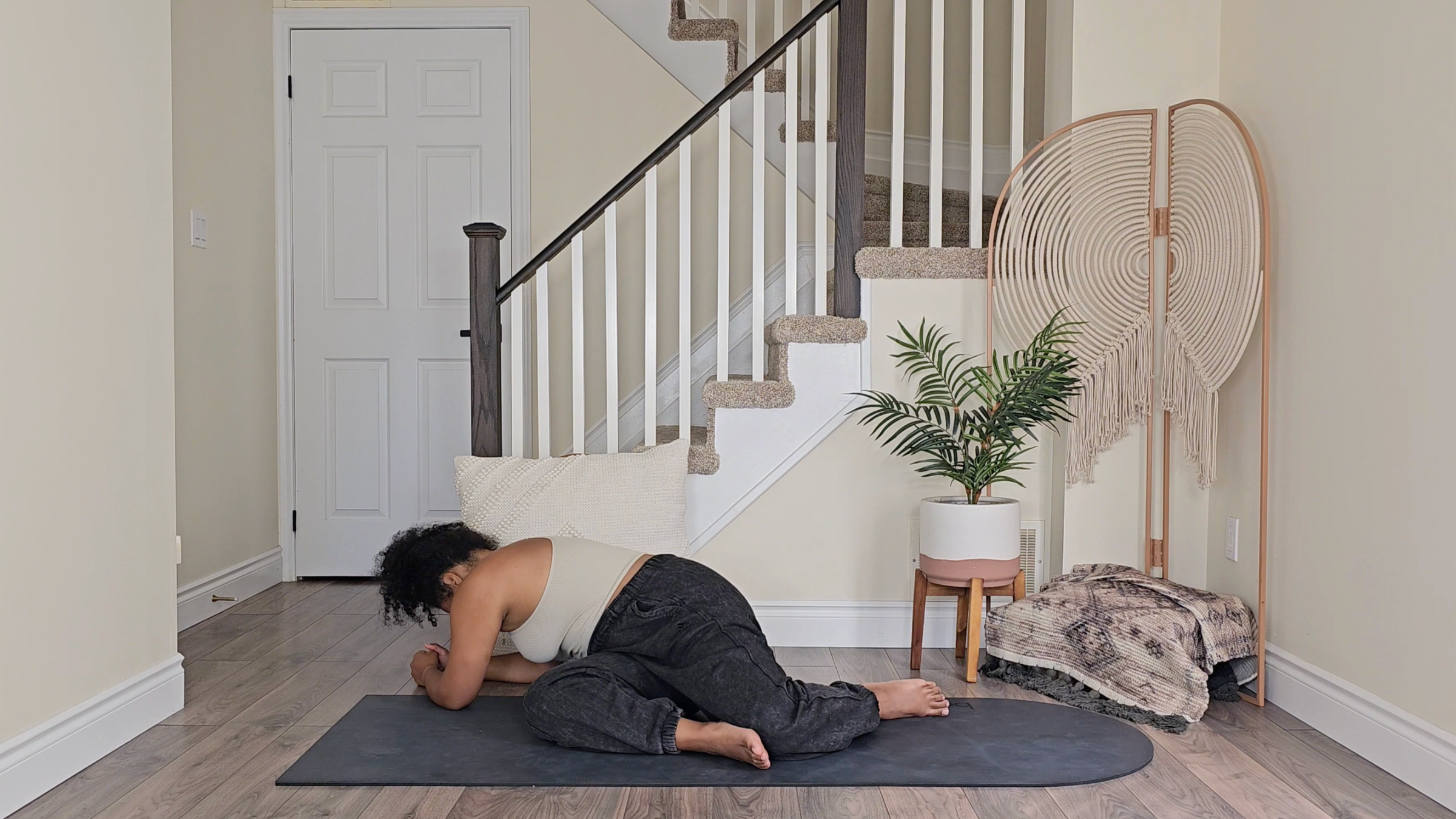
8. Child’s Pose Variation
The final movement is a variation of the Child’s Pose. By walking the hands back between the legs and resting one cheek on the mat, the practitioner enters a state of total vulnerability and safety. This final position is the ultimate signifier to the brain that the day is over and that the body is safe to transition into sleep.
Supporting Data: Why "Slower" is Better
Modern sleep science supports the integration of slow-flow movement into evening routines. Studies suggest that rhythmic, low-intensity movement reduces cortisol levels—the primary stress hormone that prevents deep sleep. Unlike high-intensity workouts, which can stimulate the production of adrenaline, the long holds recommended by Hewitt (3 to 5 minutes per pose) are designed to trigger the vagus nerve.
The vagus nerve is the primary component of the parasympathetic nervous system. By stimulating it through slow, rhythmic breathing and steady stretching, individuals can lower their heart rate and blood pressure, creating the ideal internal environment for the onset of REM sleep.
Official Perspectives on Somatic Sleep Hygiene
Health practitioners are increasingly endorsing the move toward somatic practices—movements that prioritize how the body feels over how it looks. Dr. Elena Thorne, a sleep researcher not involved in the creation of this sequence, notes: "The problem with most people’s routines is that they are cognitive. They think about their to-do lists, they worry about the next day, or they consume media. Hewitt’s sequence is purely somatic. It forces the brain to process physical sensations, which effectively ‘crowds out’ the intrusive thoughts that cause insomnia."
The Implications for Daily Life
The implications of adopting a consistent 14-minute pre-sleep ritual extend far beyond the bedroom. When an individual successfully recalibrates their nervous system each night, they wake up with a more regulated physiological baseline.
The long-term benefits include:
- Enhanced Emotional Regulation: A nervous system that knows how to self-soothe is less reactive to daily stressors.
- Improved Structural Integrity: Daily stretching prevents the long-term postural damage caused by modern desk-bound work.
- Cognitive Clarity: Quality sleep, facilitated by a peaceful transition period, is the single most effective performance enhancer for cognitive function.
Conclusion: The Final Resting Pose
Shaunneka Hewitt does not include a traditional Savasana (Corpse Pose) in this sequence, and for good reason. Her aim is for the practitioner to move directly from the mat into their bed. By removing the need for a final "pose" and replacing it with the comfort of one’s own bedding, Hewitt creates a seamless transition from the practice of yoga to the practice of sleep.
In a world that demands constant motion, 14 minutes of intentional stillness is not merely a hobby—it is a reclamation of one’s own time and well-being. Whether you are a seasoned yogi or someone who has never touched their toes, the sequence offers a accessible, professional-grade entry point into the transformative power of a quieted mind.
As Hewitt puts it, "The day belongs to the world. But the night? The night belongs to you." By dedicating these final minutes to your body, you aren’t just stretching; you are building the foundation for a better, more rested tomorrow.