








Published: November 15, 2026
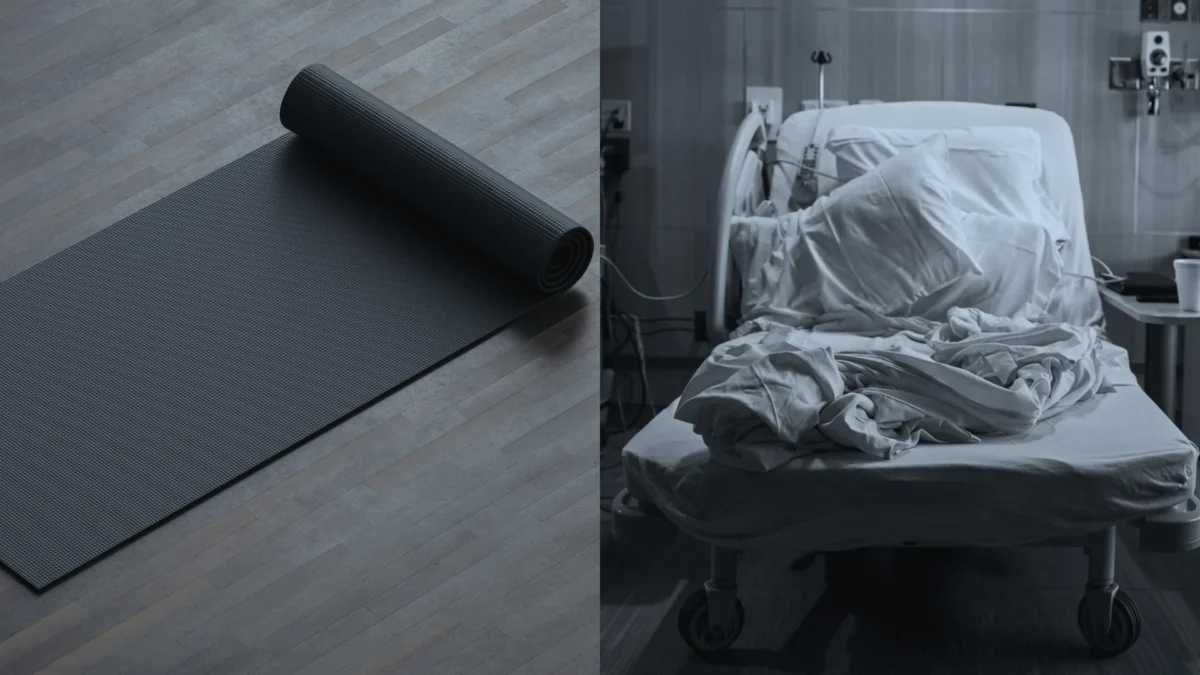
For most, a cancer diagnosis is a singular, cataclysmic event that fractures the trajectory of daily life. For one patient, diagnosed with endometrial cancer in her 40s, the shock was compounded by a chilling medical directive: “You’ll need surgery. After that, no yoga.”
This instruction, while standard post-operative protocol for major abdominal surgery, struck the patient as an impossible demand. Yoga had been her primary mechanism for emotional regulation, stress management, and physical grounding. The prospect of navigating a major health crisis without the sanctuary of her practice felt, at the time, like losing her compass in a storm.
What followed, however, was not the abandonment of her practice, but a profound evolution of it. Through months of biopsies, complex insurance bureaucracy, and the eventual hysterectomy, she discovered that the essence of yoga—its philosophy, breathwork, and meditative scaffolding—could exist independently of physical movement.
The Diagnosis and the Immediate Aftermath
The clinical reality was sobering. While the patient received the “good news” that her cancer was caught in the early stages—minimizing the likelihood of chemotherapy—the logistical and physical burdens were immense. A full hysterectomy required a recovery period involving restricted movement, which meant the familiar rhythm of the yoga studio would be replaced by the sterile routine of hospital corridors and waiting rooms.
Chronology of a Crisis
The months preceding the surgery were defined by a "stockpiling" of movement. The patient treated her yoga practice with the urgency of someone preparing for a long winter.
- The Diagnostic Phase: Navigating New York City’s medical landscape, the patient faced a repetitive cycle of bloodwork, specialist consultations, and the emotional exhaustion of retelling her medical history to strangers.
- The Pre-Surgical Practice: Between appointments, she turned to the mat. These sessions were not merely for exercise; they were a deliberate attempt to anchor herself in a body that felt increasingly alien.
- The Surgical Intervention: The day of the surgery marked the final rupture. The transition from active practitioner to post-operative patient was marked by a visceral panic attack in the pre-op room, which she managed not through postures, but through Sama Vritti Pranayama (box breathing).
- The Healing Phase: The weeks following the surgery required a shift in focus. With physical movement prohibited, she turned to the internal aspects of yoga, specifically Yoga Nidra and the philosophical study of Purusha and Prakriti.
Supporting Data and Medical Context
Endometrial cancer remains a significant health concern for women, particularly as incidence rates fluctuate. According to data from the American Cancer Society, while endometrial cancer is most frequently diagnosed in women between the ages of 60 and 70, the number of diagnoses in women under 50 is non-trivial.
The physiological stress of a cancer diagnosis often triggers the sympathetic nervous system, leading to chronic states of “fight or flight.” Medical research into mind-body interventions—such as those popularized by organizations like the Yoga Journal—suggests that patients who engage in meditative practices often report lower levels of cortisol and improved subjective well-being during treatment.
While the patient’s doctor was correct that specific poses (asanas) could jeopardize surgical healing, the patient’s experience underscores a growing movement in integrative medicine: the recognition that the “patient experience” is improved when clinical care is paired with psychological and spiritual support structures.
Philosophical Implications: Integrating Yoga into Recovery
The most compelling aspect of this narrative lies in the patient’s transition from physical asana to philosophical application. By being forced to abstain from physical movement, she tapped into the deeper tenets of Yoga philosophy.
The Witness Self (Purusha vs. Prakriti)
In yogic philosophy, Purusha represents the pure consciousness or witness, while Prakriti is the material world, including our physical body. By separating her identity from her physical pain, the patient utilized a form of detachment that allowed her to observe her recovery process without being subsumed by it.
The Application of Yamas and Niyamas
Throughout her journey, the patient identified her adherence to the Eight Limbs of Yoga:
- Ahimsa (Non-violence): She redefined her medical treatment as an act of self-love rather than an invasion of her body.
- Satya (Truthfulness): Confronting her mortality during Corpse Pose (Savasana) forced a radical honesty about the nature of existence.
- Ishvara Pranidana (Surrender): The act of entering the operating room became a conscious exercise in releasing control to a higher power or process.
These practices provided a framework for resilience. By treating her healing process as a form of "self-study" (Svadhyaya), she transformed the monotony of recovery into a period of deep introspection.
Official Perspectives and Patient Advocacy
While medical professionals prioritize the mechanical success of surgery—ensuring that tissues heal without strain—the psychological needs of the patient are often addressed separately, if at all.
"The medical system is excellent at repairing the body," one medical analyst noted. "However, the patient’s capacity to maintain their own sense of agency through existing mental frameworks, like yoga or mindfulness, is an underutilized clinical asset. When a patient feels they have lost their agency, they often suffer more than the physical pathology requires."
The patient’s narrative highlights a gap in current post-operative counseling. Rather than simply instructing a patient on what they cannot do, there is a clear benefit to providing guidance on what they can do to maintain their mental health within those physical constraints.
Implications for Future Cancer Care
The conclusion of this story—a clean bill of health and the green light to return to the mat—serves as a powerful case study for the integration of holistic practices in oncology.
For the patient, the "yoga" she practiced post-surgery was perhaps more vital than the one she practiced before. By learning that her practice was not contained within the four corners of a mat, she developed a form of psychological armor that will likely serve her for the rest of her life.
Key Takeaways for Patients:
- Redefine the Practice: When physical movement is restricted, the internal work of breath and meditation becomes the primary practice.
- The Witness State: Use the concept of the "witness" to distance yourself from the trauma of diagnosis and the physical sensation of pain.
- Advocacy as Practice: Engaging with doctors, asking questions, and navigating insurance are modern extensions of Ahimsa—practicing non-violence by caring for one’s own well-being.
- Beyond Distraction: Yoga is not a distraction from reality; it is a tool for presence. The goal is not to escape the cancer, but to remain present with oneself while navigating it.
As the patient noted, the surgery ended the cancer, but the yoga remained. She had not only survived the illness; she had emerged with a reinforced, internal scaffolding that proved far more resilient than she ever anticipated. When she was finally cleared to return to her studio, she was not returning to a practice she had lost—she was returning to a practice she had deepened and refined in the quiet, sterile silence of the recovery room.
Her journey serves as a poignant reminder that while the body is subject to the frailties of biology, the mind—when trained in the art of presence—possesses an inherent, unshakable autonomy.