








The landscape of cancer treatment has reached a historic inflection point. For decades, the dream of "teaching" the immune system to hunt down and destroy malignant cells with surgical precision has remained a holy grail of oncology. Today, that dream is shifting from theoretical research to clinical reality. Following the presentation of data from the Phase 3 INTerpath-001 clinical trial at the 2026 European Society for Medical Oncology (ESMO) Congress in Madrid, the medical community is hailing a new, personalized mRNA cancer vaccine as a landmark advancement in the fight against high-risk melanoma.
When paired with established immune checkpoint therapy, this experimental vaccine—known as intismeran autogene—has demonstrated a significant ability to keep patients cancer-free following surgical resection. This milestone represents the culmination of over 35 years of dedicated investment in immunology, bridging the gap between basic laboratory science and transformative, durable clinical outcomes.
The Core Innovation: How Intismeran Autogene Works
At its heart, the intismeran autogene vaccine represents a paradigm shift in personalized medicine. Unlike traditional vaccines that introduce a weakened pathogen to trigger an immune response, this mRNA-based therapy is tailor-made for the individual patient.
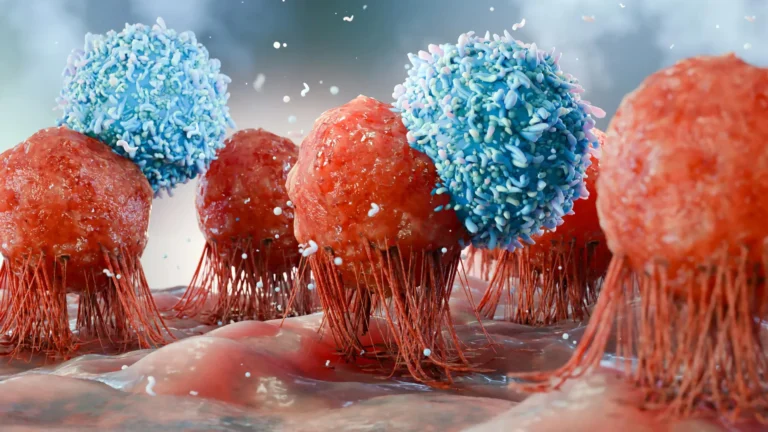
The process begins with the sequencing of the patient’s tumor. By analyzing the genetic profile of the cancer cells, researchers identify unique "neoantigens"—mutations that exist only on the surface of the tumor. These genetic markers are then encoded into an mRNA vaccine. Once injected, the vaccine instructs the patient’s own cells to produce these specific neoantigens. The immune system, suddenly presented with a "wanted poster" for the cancer, is primed to recognize and destroy any remaining malignant cells that may have escaped the surgeon’s scalpel.
This approach is administered in conjunction with pembrolizumab (Keytruda®), a monoclonal antibody that acts as a "brake-release" for the immune system. While the vaccine acts as the guide, directing the immune system toward the cancer, the immunotherapy ensures that the immune cells remain active and aggressive, preventing the cancer from "hiding" in the body.
A Chronology of Progress: Three Decades of Research
The success of the INTerpath-001 trial did not happen in a vacuum. It is the result of a long, iterative process of discovery supported by organizations like the Cancer Research Institute (CRI).
The Foundation (1990s–2000s)
In the early 1990s, the concept of a cancer vaccine was largely met with skepticism. However, pioneers in immunology began to map the complex interactions between T-cells and tumor antigens. In 2001, the CRI and the Ludwig Institute for Cancer Research established the Cancer Vaccine Collaborative. This international consortium focused on identifying specific protein targets, such as NY-ESO-1, which appear on various cancers, including melanoma and ovarian cancer. These early studies were vital in teaching researchers how to stimulate a stronger, longer-lasting immune response.
The Checkpoint Revolution (2010s)
While vaccine research progressed, a parallel breakthrough was occurring in the field of checkpoint inhibition. Researchers like Nobel Laureate James P. Allison, PhD, discovered that tumors often "turn off" the immune system by engaging specific receptors on T-cells. By developing therapies that block these signals, scientists successfully "unleashed" the immune system. This breakthrough led to the FDA approval of several immunotherapy agents, setting the stage for the combination therapies we see today.
The mRNA Acceleration (2020s)
The rapid development of mRNA technology during the COVID-19 pandemic provided the final piece of the puzzle. The ability to rapidly synthesize and deliver personalized genetic instructions allowed researchers to move from theoretical models to large-scale Phase 3 human trials in record time, leading to the pivotal results presented in 2026.
Supporting Data: The INTerpath-001 Trial
The INTerpath-001 trial serves as the definitive evidence of this therapeutic combination’s efficacy. The study enrolled 1,137 patients—a robust sample size for a high-risk cohort—all of whom had undergone complete surgical removal of their melanoma tumors.
Patients were randomized into two groups: one receiving the standard-of-care immunotherapy (Keytruda) alone, and the other receiving the combination of the personalized mRNA vaccine plus the immunotherapy. The primary endpoint was the prevention of recurrence.
While the data remains subject to ongoing peer review and maturation, initial findings following a median follow-up of 24.6 months indicate a distinct advantage for the combination arm. The vaccine appeared to heighten the immune system’s surveillance capabilities, reducing the likelihood of residual micro-metastases developing into secondary tumors.
Safety and Tolerability
As with any potent therapeutic intervention, the benefit must be weighed against the side effect profile. The trial reported that patients receiving the vaccine experienced a higher incidence of:
- Fever: Often a sign of an activated immune system.
- Injection-site pain: A common reaction to mRNA delivery systems.
- Fatigue: Consistent with the systemic immune activation typical of checkpoint inhibitors.
Notably, severe treatment-related side effects were reported at approximately 14% in both the study and control groups, suggesting that the addition of the vaccine does not significantly exacerbate the severe toxicity profile of existing immunotherapy.
Official Responses and Scientific Perspective
The medical community has greeted these findings with a blend of professional optimism and cautious scrutiny.
Elizabeth Jaffee, MD, of Johns Hopkins and Associate Director of the CRI’s Scientific Advisory Council, articulated the significance of the moment: "Thirty-five years of progress to get to where we want to be… seeing some real clinical outcomes that are durable, and all of a sudden we’re there."
However, experts are also quick to define the limits of the current data. Because the trial is still in its follow-up phase, we do not yet have definitive proof of "overall survival" benefits—that is, whether the vaccine definitively helps patients live longer compared to those receiving immunotherapy alone.
"These results are an important milestone," notes Nina Bhardwaj, MD, PhD, a CRI CLIP Investigator. "But they are a reminder of the complexity of the tumor microenvironment. We have successfully triggered an immune response, but the next challenge is ensuring that response is effective even in patients whose tumors are historically resistant to current treatments."
Implications: Where Do We Go From Here?
The mixed results observed in recent years underscore that there is no "one-size-fits-all" approach to cancer vaccines. For example, a separate Phase 2 trial for a personalized mRNA vaccine in colorectal cancer was discontinued earlier in 2026, highlighting that the biology of different cancer types behaves differently under the pressure of immune-based therapies.
The Path Forward
To turn these initial successes into a universal standard of care, researchers are focusing on three critical pillars:
- Target Identification: Utilizing big data and artificial intelligence to identify "shared" antigens—targets that are common across many patients—which could make vaccines more scalable and less reliant on fully individualized manufacturing.
- Enhanced Delivery: Developing nanotechnology that ensures mRNA is delivered directly to the lymph nodes and immune cells, maximizing the potency of the vaccine while minimizing systemic exposure.
- Overcoming Resistance: Investigating why some patients respond brilliantly to these vaccines while others do not. This includes studying the role of the tumor’s "microenvironment," which can physically or chemically shield the tumor from the immune system.
Clinical Expansion
Beyond melanoma, the pharmaceutical industry is aggressively testing this platform in lung, kidney, and bladder cancers. The success in melanoma provides a "proof of concept" that is already being translated into these other disease states.
While intismeran autogene remains investigational and is not yet available for general clinical use, the collaboration between developers like Merck and Moderna, alongside academic institutions and organizations like the CRI, is accelerating the regulatory pathway.
Conclusion
The 2026 ESMO Congress will likely be remembered as the moment the cancer vaccine field moved from the periphery of oncology to the center stage. While we must remain patient as long-term survival data matures, the evidence presented in the INTerpath-001 trial confirms that we have entered a new era. By marrying the precision of genetic medicine with the power of immunotherapy, we are no longer just treating cancer; we are teaching the body to outsmart it. The road ahead remains long, but for the first time in decades, the horizon is clear.