








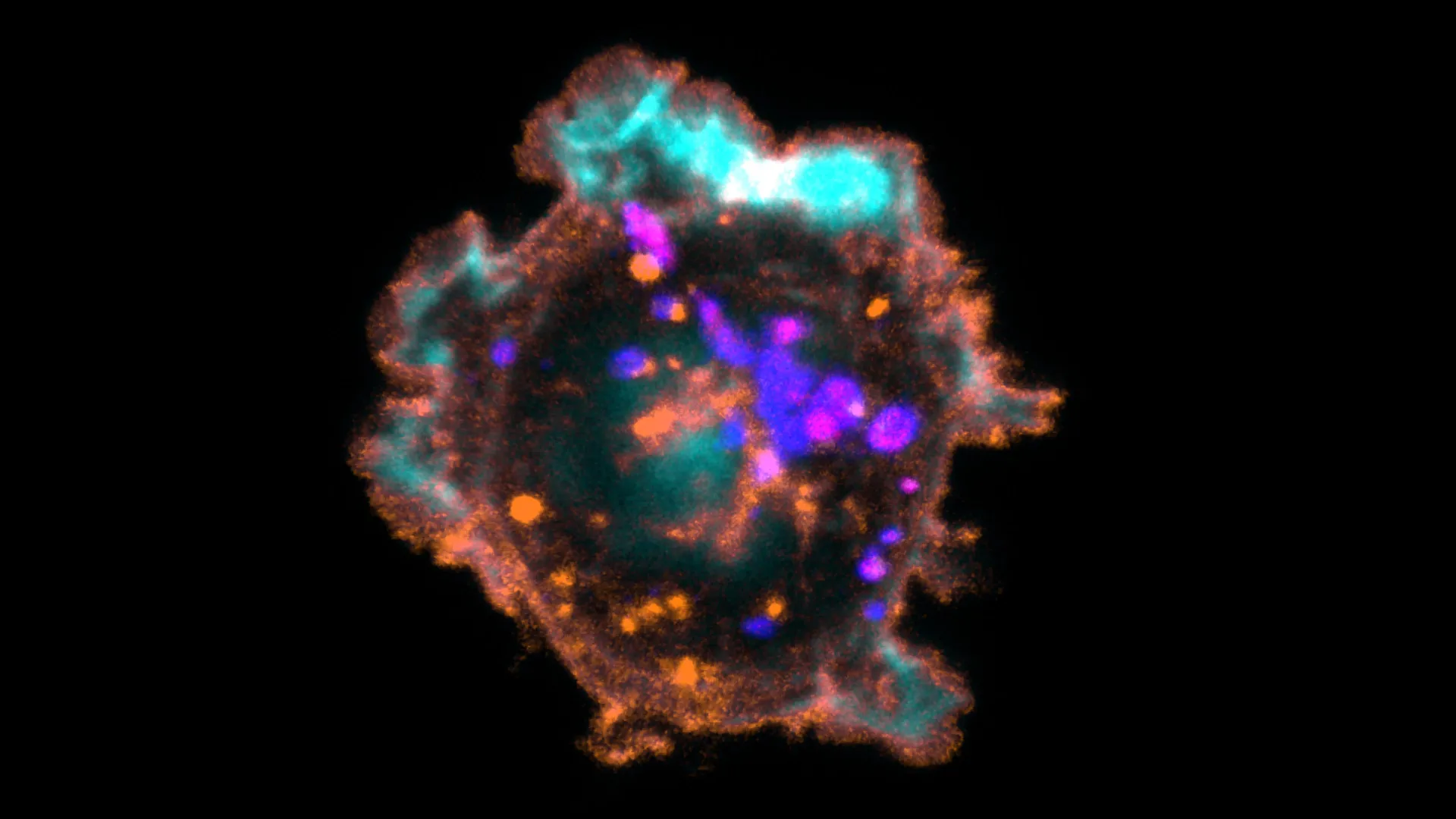
For thirty years, the medical community operated under a singular, deeply entrenched hypothesis regarding Mevalonate Kinase Deficiency (MKD). This rare genetic disorder, characterized by debilitating and potentially life-threatening inflammatory episodes, was thought to be driven primarily by the malfunction of macrophages—the immune system’s "first responders." However, a groundbreaking study published in the journal Immunity by researchers at the Garvan Institute of Medical Research has dismantled this long-standing paradigm.
By identifying a previously underrecognized failure in natural killer (NK) cells, the research team has not only rewritten the biological narrative of MKD but has also unveiled a promising new therapeutic pathway using existing medications, offering hope to patients who have exhausted all conventional treatment options.
The Nature of the Condition: A Life of Unpredictable Storms
MKD is a lifelong, rare autoinflammatory disorder that affects hundreds of children and adults worldwide. Despite its severity, it remains notoriously difficult to diagnose, often leaving patients in a "diagnostic odyssey" for years. The clinical presentation is harrowing: patients endure recurring attacks of high, spiking fevers, painful skin rashes, swollen lymph nodes, and intense abdominal distress. In its most aggressive form, these episodes can lead to fatal systemic inflammation.
For three decades, the prevailing scientific consensus focused on the mevalonate kinase enzyme deficiency, which was believed to trigger a hyperactive response in macrophages. Consequently, existing pharmacological interventions were designed specifically to suppress these cells. Yet, clinical reality proved frustratingly inconsistent; approximately half of the patient population failed to respond adequately to these therapies, leaving clinicians with few alternatives for managing the most severe flares.
Chronology of a Scientific Shift: From Macrophages to NK Cells
The journey to this discovery began when researchers at the Garvan Institute, led by Professor Mike Rogers and Dr. Marcia Munoz, began to question why so many patients remained refractory to standard treatment.
The Investigation
To challenge the status quo, the team performed a multi-layered analysis:
- Clinical Sampling: They analyzed blood samples from patients living with MKD to identify cellular abnormalities that had been previously overlooked.
- Preclinical Modeling: In collaboration with Professor Mariapia Degli-Esposti and researchers at Monash University, the team developed models to observe the immune system’s behavior in real-time during an inflammatory event.
- The "Misfire" Discovery: The researchers discovered that while macrophages were involved, the true architect of the inflammatory chaos was the natural killer (NK) cell.
The Mechanism of Malfunction
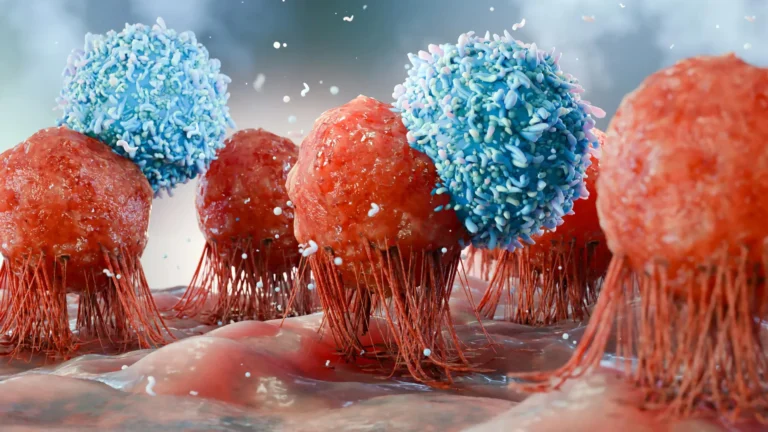
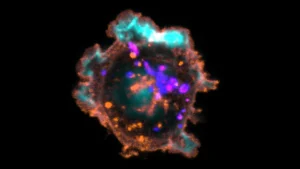
NK cells are the immune system’s precision assassins, tasked with identifying and destroying virally infected cells. In a healthy immune system, these cells release toxic granules to eliminate a threat. In patients with MKD, the researchers found that these cells fail to mature properly. Because they cannot release their "toxic ammunition," the granules remain trapped inside the cell.
Faced with an unresolved infection, the NK cell essentially panics. It attempts to compensate for its inability to kill the target by "shouting" for reinforcements—pumping out massive, uncontrolled quantities of interferon-gamma. This cytokine acts as a systemic alarm, triggering the widespread, dangerous inflammation that defines the MKD patient experience.
Supporting Data: Why Current Treatments Fall Short
The data revealed by the Garvan team suggests that the primary pathology of MKD is not, as previously thought, a macrophage-driven event, but rather a structural and functional failure within the NK cell lineage.
The significance of this cannot be overstated. By targeting macrophages, doctors were addressing a secondary symptom rather than the root cause. This explains the high failure rate of current biological therapies: when you treat the "shouting" (the systemic inflammatory response) without fixing the "misfire" (the dysfunctional NK cells), the patient remains vulnerable to recurring, treatment-resistant flares.
Official Perspectives: Shifting the Paradigm
The implications of this study are being felt across the immunology community. Dr. Marcia Munoz, the study’s lead researcher, emphasizes the magnitude of this shift.
"This really turns on its head 30 years of dogma about what was thought to be the underlying mechanism of disease," Dr. Munoz stated. "In MKD, the primary problem is in NK cells and not in macrophages, as previously believed."
Professor Mike Rogers, Lab Head at the Garvan Institute and senior author of the paper, highlights the clinical potential of these findings. "This study has revealed a new target for this inflammatory disorder and sets the scene for future clinical studies to explore the use of JAK inhibitors or other drugs to neutralize interferon-gamma," Rogers noted. "This could lead to a targeted treatment that hasn’t been tried before."
A Beacon of Hope: The Role of JAK Inhibitors
The most immediate impact of this research is the introduction of a new therapeutic candidate: baricitinib. A class of drugs known as JAK inhibitors, baricitinib is currently approved for conditions like rheumatoid arthritis and eczema. Its mechanism is simple yet elegant: it interferes with the signaling pathways that interferon-gamma uses to transmit its inflammatory message.
In a poignant case study, researchers collaborated with clinicians at the Royal Children’s Hospital in Melbourne to treat a severely ill infant who was not responding to standard care. By introducing baricitinib to the child’s regimen, the team observed a significant turnaround. The frequency of the infant’s inflammatory flares decreased, and their gastrointestinal damage began to subside.
While researchers caution that a single case study is not a substitute for large-scale clinical trials, the rapid improvement in the patient’s condition serves as a powerful proof-of-concept for the theory that silencing the interferon-gamma pathway can effectively manage the disease.
Future Implications: The Broader Spectrum of Prenylopathies
The impact of this discovery extends far beyond the hundreds of known MKD patients. The Garvan team has introduced the term "prenylopathies" to categorize a family of genetic disorders that share the same metabolic pathway.
Early evidence suggests that these related diseases may also share the same fundamental "misfire" in their NK cells. If this hypothesis holds, the medical community may be on the cusp of a major diagnostic and therapeutic breakthrough for a whole class of rare, inflammatory conditions.
Ending the Diagnostic Odyssey
For the thousands of patients suffering from undiagnosed or misdiagnosed inflammatory diseases, the ability to identify a common "NK cell signature" could be transformative. By pinpointing the cellular culprit, clinicians could potentially bypass years of fruitless testing, moving straight to targeted treatments that suppress specific inflammatory signals rather than relying on broad-spectrum immunosuppressants.
Conclusion: A New Horizon for Immunology
The Garvan Institute’s study serves as a humbling reminder of the necessity of questioning established scientific truths. What was once considered "settled science" regarding MKD has been replaced by a more nuanced, precise understanding of immune function.
As the research team moves toward future clinical trials, the focus will remain on refining these targeted treatments and expanding the investigation into other prenylopathies. For the patients who have lived for decades under the shadow of unpredictable, painful inflammatory attacks, this research represents more than just a scientific paper—it represents the end of an era of uncertainty and the beginning of a future defined by precision medicine.
The work of Professor Rogers, Dr. Munoz, and their colleagues ensures that the "diagnostic odyssey" for many may finally be nearing its end, replaced by a pathway to health that is as scientifically sound as it is clinically effective.