








Introduction: A Bold Leap in Robotic Surgery
In a move that signals a tectonic shift in the orthopedic surgery landscape, Zimmer Biomet has accelerated its timeline for the integration of next-generation robotic technology. Following its $177 million acquisition of Monogram Technologies in 2025, the global medical device giant is positioning itself to dominate the future of total knee replacement (TKR) surgery. By leveraging Monogram’s proprietary, CT-integrated robotic platform, Zimmer Biomet is aiming for a 2027 market launch—a full year ahead of initial projections. This development represents more than just a product update; it is an evolution toward a "hands-free" surgical environment that promises to redefine efficiency, precision, and surgeon ergonomics in the operating room.
Chronology of the Integration
The path to this technological leap has been characterized by aggressive strategic planning and a clear vision for the modernization of orthopedics.
- Early 2025: Zimmer Biomet officially completes the acquisition of Monogram Technologies for $177 million, identifying the startup’s robotic platform as a high-value asset to complement its existing ROSA robotic system.
- Mid-2025: Initial integration efforts begin, focusing on aligning Monogram’s CT-based imaging capabilities with Zimmer’s existing ecosystem.
- Late 2025 to Early 2026: Clinical trials for the Monogram system commence, yielding highly positive safety and performance data.
- Sunday, Current Year (Stifel Conference): Key orthopedic surgeons and industry analysts convene to discuss the platform’s performance, highlighting its potential to disrupt standard surgical workflows.
- Current Status: Zimmer Biomet confirms a 90-day 510(k) regulatory submission window, targeting a 2027 commercial rollout.
The Technological Edge: Monogram vs. ROSA
Zimmer Biomet’s existing robotic workhorse, the ROSA (Robotic Surgical Assistant), has long been a staple in orthopedic departments. However, the acquisition of Monogram fills a specific, critical gap in the company’s portfolio.
CT-Imaging Integration
The primary differentiator for the Monogram technology is its native compatibility with CT imaging. While ROSA has provided exceptional service in traditional navigation-based workflows, the ability to utilize CT data allows for unparalleled pre-operative planning. Surgeons can create patient-specific bone models, enabling the robot to map out precise cuts before the patient even enters the OR. This transition from "navigation-based" to "image-based" robotics is considered the gold standard for accuracy in complex joint replacement cases.
The Rise of Hands-Free Autonomy
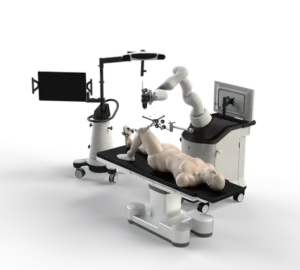
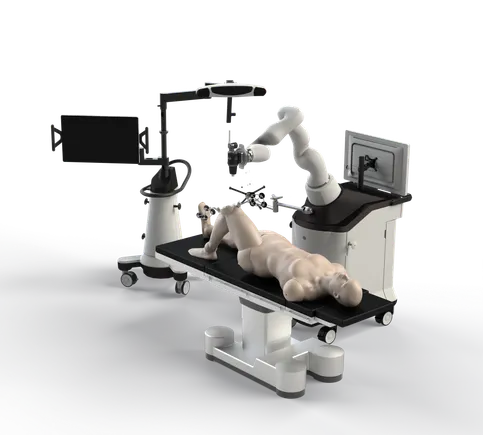
Perhaps the most ambitious aspect of the Monogram platform is its trajectory toward full autonomy. While current robotic systems function as "semi-autonomous" extensions of the surgeon’s hand—requiring constant guidance—the Monogram system is designed to be largely hands-free. Controlled via sophisticated foot-pedal interfaces, the system allows the surgeon to supervise the robotic arm as it performs precise bone cuts. This design is engineered to remove the "human tremor" factor, ensuring the highest possible level of bone preparation accuracy.
Supporting Data and Clinical Performance
The excitement surrounding this acquisition is not merely speculative; it is backed by clinical trial data and rigorous analytical review.
Safety and Efficacy
During clinical evaluations, the Monogram system demonstrated a pristine safety profile. Tornos, representing the company’s leadership, noted that throughout the trial period, there were zero safety events reported. Furthermore, the robot’s performance metrics in bone preparation were superior to manual techniques. By automating the landmarking and cutting process, the robot reduced the time required for bone prep, effectively streamlining the most tedious portions of a TKR procedure.
Analytical Insights: The Stifel Review
At a recent Stifel conference, leading orthopedic surgeons provided a qualitative assessment of the technology that aligned with the company’s quantitative data. Analyst Rick Wise, in a subsequent research note, highlighted three key takeaways from the surgeon panel:
- Time Savings: The automated nature of the bone cutting allows for a faster "OR turnover" and shorter procedure times, which is a critical metric for hospital profitability and patient outcomes.
- Efficiency: The system allows for a reduction in the number of instrument trays required for a procedure, lowering sterile processing costs and reducing OR clutter.
- Precision: The automated cutting capabilities are expected to result in better component alignment, which historically correlates with longer-lasting implants and higher patient satisfaction.
Official Responses and Strategic Outlook
The leadership at Zimmer Biomet has expressed confidence in the company’s ability to navigate the complex regulatory landscape associated with this "new-to-the-world" technology.
Navigating the FDA
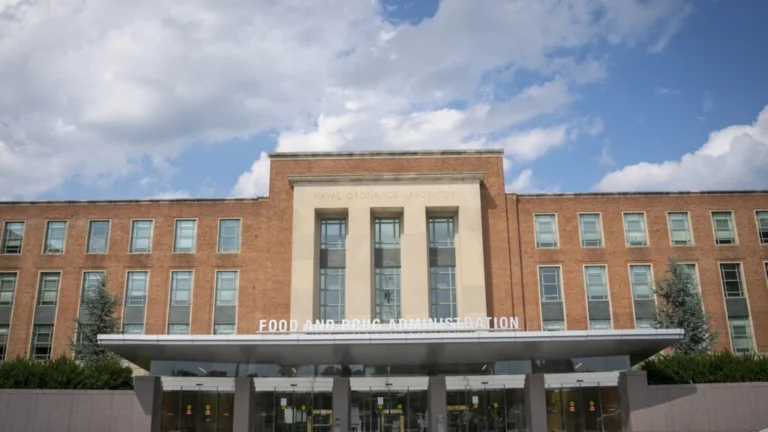
CEO Ivan Tornos has acknowledged the scrutiny that accompanies such innovative technology. During discussions, Tornos noted, "I wouldn’t be surprised if there’s some back and forth with the FDA, given that this is new-to-the-world technology." The industry is watching closely to see how the FDA classifies the "hands-free" autonomous features, as this will set a precedent for the entire medical robotics industry.
Despite the potential for regulatory back-and-forth, Zimmer’s decision to pursue a 90-day 510(k) submission timeline demonstrates a high degree of confidence in the documentation and safety data they have gathered. By moving the launch target from 2028 to 2027, the company is signaling that it believes the technology is mature enough to withstand rigorous federal review.
Implications: The Future of the Operating Room
The acquisition and rapid deployment of the Monogram system have significant implications for the orthopedic market and the medical profession at large.
Reducing Physical Strain on Surgeons
One of the most human-centric benefits of this technology is the potential reduction of physical fatigue. Orthopedic surgery is notoriously grueling, requiring hours of standing and repetitive, high-force manual movements. The automated bone-cutting capabilities of the Monogram robot serve as a force multiplier, allowing surgeons to delegate the most physically taxing aspects of the procedure to the machine. This has the potential to extend the careers of veteran surgeons and reduce the risk of repetitive strain injuries among the surgical workforce.
The Economic Impact on Hospitals
For healthcare providers, the value proposition is centered on efficiency. As hospitals face increasing pressure to lower costs while maintaining quality, the ability to perform faster, more accurate surgeries with fewer trays and less instrument reprocessing is highly attractive. The Monogram system positions Zimmer Biomet to offer a comprehensive "digital surgery" ecosystem that hospitals can use to standardize care across different surgeons and facilities.
Competitive Dynamics
Zimmer Biomet’s aggressive push into autonomous robotics forces competitors to re-evaluate their own pipelines. Companies like Stryker (with the Mako system) and J&J (with Velys) are now operating in an environment where "robotic" is no longer the target—"autonomous" is. By moving the goalposts, Zimmer Biomet is forcing a competitive race that will likely benefit the patient through increased innovation and lower costs over the long term.
Conclusion: A New Era of Precision
The integration of Monogram Technologies into the Zimmer Biomet portfolio is a defining moment in medical technology. By combining the established reliability of their existing platforms with the cutting-edge, CT-integrated, autonomous capabilities of their new acquisition, Zimmer is crafting a future where robotic surgery is not just an elective tool, but the standard of care.
As the 2027 launch date approaches, the focus will shift from acquisition and integration to execution and adoption. The industry will be monitoring the FDA’s response to the 510(k) submission, the real-world clinical performance of the systems in hospital settings, and the willingness of surgeons to entrust the cutting process to a fully autonomous platform.
If the technology performs as effectively in the general market as it did in clinical trials, we are looking at the dawn of a new era. In this era, the surgeon remains the master of the procedure, but the execution of that procedure is handled with a level of precision, speed, and safety that was once the domain of science fiction. Zimmer Biomet, through this bold $177 million bet, has effectively claimed its place at the vanguard of this surgical revolution.
Whether the market can adapt as quickly as Zimmer’s internal timeline remains to be seen, but one thing is clear: the orthopedic operating room is changing, and it is doing so with a speed that is as remarkable as the technology itself.