


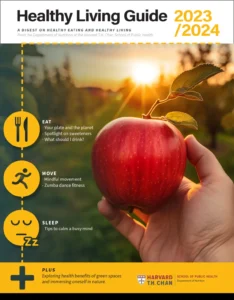



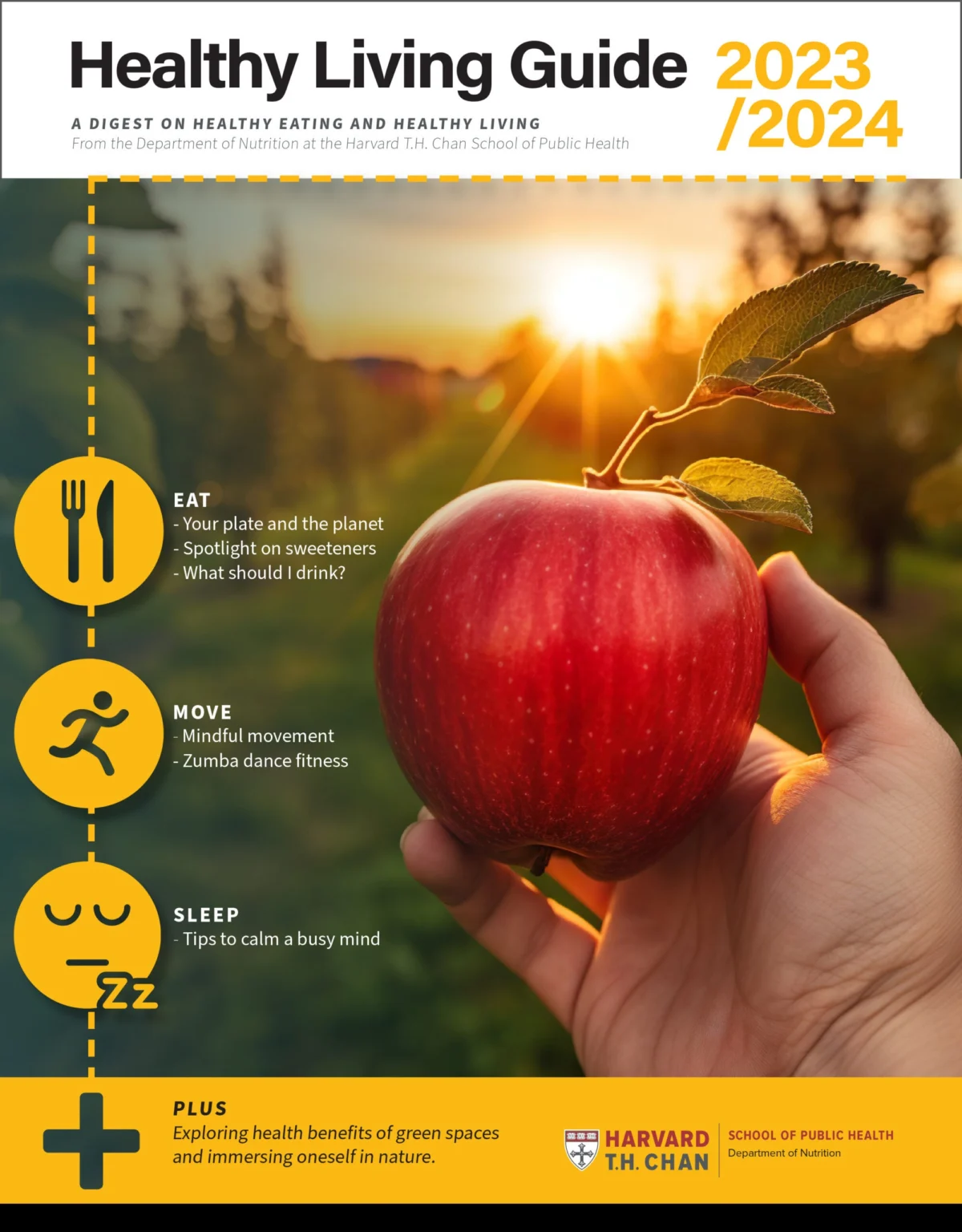
As the world enters a new calendar year, the perennial quest for self-improvement often finds itself at the intersection of clinical science and mindful intention. This year, the Department of Nutrition at the Harvard T.H. Chan School of Public Health has released its fourth annual Healthy Living Guide, a document that serves not merely as a collection of dietary tips, but as a roadmap for sustainable, holistic well-being. By synthesizing the latest research in nutrition, physical activity, and sleep science, the guide offers a timely blueprint for navigating the complexities of modern health.
The Convergence of Mindfulness and Public Health
The 2023-2024 edition of the Healthy Living Guide is anchored by a significant institutional milestone: the launch of the Thich Nhat Hanh Center for Mindfulness in Public Health. This center marks a paradigm shift in how health research is conducted at the population level.
As the opening quote from Thich Nhat Hanh—"The apple in your hand is the body of the cosmos"—suggests, the mission of the center is to bridge the gap between individual actions and their broader implications for the planet. The integration of mindfulness into public health policy is not merely a trend; it is a rigorous scientific endeavor to understand how intentional awareness can mitigate chronic stress, improve dietary choices, and foster a more sustainable relationship with our food systems.
Chronology of Institutional Focus
To understand the significance of this year’s release, one must look at the evolution of the Department of Nutrition’s public outreach strategy over the past four years:
- 2020-2021: The inaugural guide focused on establishing fundamental pillars of nutrition during a time of global health uncertainty, emphasizing immunity and home-based health management.
- 2021-2022: The focus shifted toward long-term behavioral change, incorporating psychological resilience as a key component of physical health.
- 2022-2023: The department expanded its scope to include the environmental impact of food systems, beginning the conversation on "planetary health."
- 2023-2024: The current edition synthesizes these strands, centering on the Thich Nhat Hanh Center’s core philosophy: that mindfulness is the connective tissue between personal health and global sustainability.
Supporting Data: Nutrition, Movement, and Rest
The Healthy Living Guide provides a curated overview of the most pressing research topics in modern health. The following areas represent the primary pillars of the current edition.
The Ultra-Processed Food Epidemic
One of the most compelling sections of the guide addresses the link between ultra-processed foods (UPFs) and mental health. Emerging data cited in the guide suggests that the consumption of highly processed, chemically altered food products is not just a driver of metabolic disease, but a significant factor in the prevalence of depressive symptoms and cognitive decline. Researchers argue that the "food matrix"—the complex structure of nutrients in whole foods—is disrupted during ultra-processing, leading to rapid glycemic responses and systemic inflammation.
The Kinetic Shift: Zumba and Cardiovascular Health
Physical activity is often presented in rigid, clinical terms. However, the 2023-2024 guide takes a refreshing look at "joyful movement." By highlighting the physiological benefits of activities like Zumba, the guide underscores that adherence to an exercise routine is higher when the activity is intrinsically rewarding. Research included in the guide demonstrates that the combination of rhythmic movement and social engagement produces a unique neurochemical response that enhances both cardiovascular output and psychological well-being.
Chronotypes and Sleep Architecture
A critical feature of this year’s research highlights the importance of "chronotypes"—the internal biological clocks that dictate an individual’s preference for morning or evening activity. The guide dispels the myth of the "one-size-fits-all" sleep schedule. Instead, it offers evidence-based strategies for aligning personal lifestyle demands with one’s natural circadian rhythm. The findings indicate that failing to respect one’s chronotype can lead to "social jetlag," a state of chronic misalignment that contributes to increased risks of diabetes, obesity, and cardiovascular events.
Official Perspectives: The Experts Speak
The Department of Nutrition emphasizes that the Healthy Living Guide is not an academic paper, but a bridge to the public. In official communications regarding the launch, faculty members highlighted that the guide is designed to be accessible, featuring printable tip sheets and actionable summaries.
The consensus among the contributors is that health is no longer an isolated pursuit of caloric restriction or step-counting. Dr. [Name/Faculty Representative], a lead researcher at the department, noted in a recent seminar, "Our objective is to move beyond the prescriptive model of health. We want to provide the evidence, but we want the individual to find the ‘mindful pathway’ that fits their life and their environment."
Implications for Global Health
The implications of the research presented in the 2023-2024 guide are vast. By addressing the interconnectedness of dietary habits, physical activity, and mental health, the guide serves as a diagnostic tool for modern society.
Addressing Systemic Health Inequities
One of the most profound implications of the current research is the acknowledgment of environmental and social determinants of health. The Healthy Living Guide argues that personal health cannot be fully optimized in a vacuum. If food environments are saturated with ultra-processed options, or if urban planning does not facilitate safe, enjoyable physical activity, individual efforts are inherently disadvantaged.
The Future of Mindful Public Health
The launch of the Thich Nhat Hanh Center suggests that the next decade of public health research will be characterized by a "whole-system" approach. This involves:
- Policy Advocacy: Using research on UPFs to advocate for clearer labeling and healthier school/workplace food environments.
- Clinical Integration: Encouraging healthcare providers to screen for sleep chronotypes and stress levels as part of routine physical exams.
- Planetary Responsibility: Recognizing that mindful eating reduces food waste and promotes sustainable agriculture, creating a feedback loop between a healthy person and a healthy planet.
Conclusion: A Call to Action
The 2023-2024 Healthy Living Guide concludes with a series of interactive knowledge checks, inviting readers to test their understanding of the previous year’s findings. This pedagogical approach is intentional; it encourages the reader to treat health as a subject of lifelong study rather than a static goal to be achieved.
As the guide states, the journey toward health is one of continuous refinement. By downloading the printable resources and engaging with the curated articles, individuals are empowered to make evidence-based decisions that reflect both their personal needs and their role in a broader, global community.
The integration of mindfulness into the scientific rigor of the Harvard T.H. Chan School of Public Health represents a hopeful trajectory for the field of nutrition. It reminds us that while we are indeed what we eat, we are also defined by how we eat, how we move, and how we rest. As we navigate the complexities of 2024, this guide stands as a vital resource for anyone seeking to cultivate a life that is not only physically robust but also intentionally lived.
For further study, readers are encouraged to:
- Download the full Healthy Living Guide 2023-2024 PDF.
- Review the archives of the 2022-2023 edition to complete the knowledge assessments.
- Engage with the Thich Nhat Hanh Center for Mindfulness in Public Health to stay updated on emerging research regarding the intersection of consciousness, nutrition, and global wellness.