





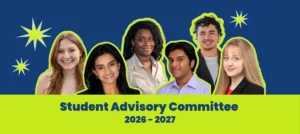
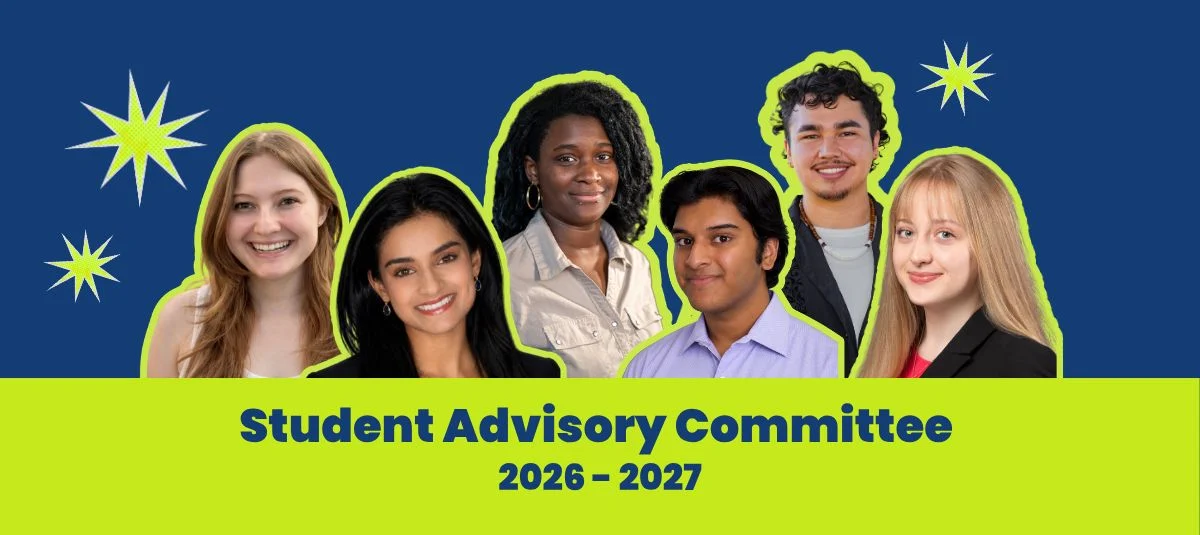
WASHINGTON, D.C. — Active Minds, the nation’s premier nonprofit organization supporting mental health promotion and education for young adults, has officially unveiled its Student Advisory Committee (SAC) cohort for the 2026-2027 academic year. Comprising a diverse group of scholars, researchers, and activists, the SAC serves as the primary bridge between the organization’s national headquarters and the lived experiences of thousands of students across the United States.
As the mental health crisis among Gen Z continues to evolve, Active Minds is doubling down on its commitment to youth-led advocacy. The SAC is not merely a figurehead body; it is a strategic advisory group tasked with shaping the future of mental health policy, community building, and campus engagement on a national scale.
Main Facts: A New Vanguard for National Mental Health Advocacy
The Active Minds Student Advisory Committee (SAC) is a hand-selected group of young adult leaders who act as the national "student voice" for the organization. Their mandate is twofold: to represent Active Minds in high-level media and public forums, and to provide critical insights to national staff regarding student engagement, program planning, and the management of over 600 campus chapters.
The 2026-2027 cohort represents an interdisciplinary blend of expertise, ranging from molecular biology and computer science to public health and legislative advocacy. These leaders are tasked with advising on the planning of the National Conference and ensuring that program promotions resonate with the unique cultural nuances of Gen Z.

"The SAC is an integral part of the mental health work being done by thousands of Gen Z activists across the country," the organization stated during the announcement. "Powered by youth and young adults, this committee ensures that our strategies are not just for students, but led by them."
The Chronology of Student-Led Change: From Tragedy to Global Movement
To understand the significance of the 2026-2027 SAC, one must look at the trajectory of Active Minds itself. The organization was founded in 2003 by Alison Malmon, then a student at the University of Pennsylvania, following the tragic suicide of her brother, Brian. At the time, mental health was a taboo subject on college campuses, often relegated to the shadows of administrative policy.
Over the last two decades, the movement has undergone a significant evolution:
- 2003–2010: The Awareness Era. The focus was primarily on breaking the silence and reducing the stigma associated with seeking help.
- 2011–2020: The Chapter Expansion. Active Minds grew into a massive network, establishing a presence in high schools and universities globally, shifting the focus toward peer-to-peer support.
- 2021–Present: The Advocacy and Policy Era. The movement transitioned from "awareness" to "action." The formation of the SAC reflects this shift, as students are now involved in legislative briefings, clinical research, and systemic public health interventions.
The 2026-2027 cohort enters at a pivotal moment when mental health is recognized as a cornerstone of public health, requiring the sophisticated, multi-level approach that these specific students bring to the table.

Profiles in Leadership: Meet the 2026-2027 SAC Cohort
The members of the current SAC are more than just students; they are specialists in their respective fields who bring a "boots-on-the-ground" perspective to national strategy.
Kailani Goggans: Bridging Clinical Practice and Policy
A student at Salem College, Kailani Goggans is pursuing a dual focus in Psychological Science and Public Health. As the President of Active Minds at Salem College, as well as leader of "Students for Reproductive Freedom" and "Siblings Demand Justice," Goggans embodies the intersectional nature of modern advocacy. Her career trajectory—aiming for an MD and a Master’s in Public Health—highlights a growing trend among SAC members: the desire to integrate medical practice with community-based policy.
Dionisio (Dio) Taitano-Samora: Championing Health Equity
Representing Colorado State University Pueblo, Dionisio Taitano-Samora focuses on the unique challenges faced by first-generation Chicano-CHamoru students. With a background in organizations like "Young Invincibles" and "The Hub for Youth Centered Engagement," Taitano-Samora is currently serving on the Youth Advisory Board for Colorado. His work is centered on advancing policies that ensure equitable access to healthcare and STEM education for students of color.
Rhea Makkuni: The Intersection of AI and Mental Health
At Johns Hopkins University, Rhea Makkuni is pioneering the use of technology in mental health. Studying Molecular and Cellular Biology alongside Computer Science, she conducts research at the PALS Lab at the Johns Hopkins School of Medicine. Her work applies artificial intelligence to the study of mood disorders, seeking to solve systemic issues like fragmented care and barriers to resource navigation.

Amy Senkerik: From Congressional Briefings to Clinical Research
Amy Senkerik, a student at Barrett, the Honors College at Arizona State University, brings high-level policy experience to the SAC. Having already spoken at an Active Minds Congressional Briefing, Senkerik’s resume includes research at the Mayo Clinic and Cedars-Sinai, as well as a Fulbright Scholarship. Her work as an EMT and her leadership in refugee education provide her with a comprehensive view of mental health across individual and systemic levels.
Arjun Nair: Addressing Substance Use and Compassionate Care
Studying Biology at Virginia Commonwealth University (VCU) within the Guaranteed Medical Admissions Program, Arjun Nair focuses on the often-overlooked intersections of mental health. His professional interests lie in HIV prevention and compassionate care for those with substance use disorders. By serving on the Student Advisory Board of the American Academy of HIV Medicine, Nair brings a specialized focus on behavioral health and marginalized populations to the national board.
Ivanna Sintes-Klein: The Architect of Peer Support
A Health Promotion and Behavioral Science major at The University of Texas at Austin, Ivanna Sintes-Klein is a specialist in community building. The founder of "Teddy Bear Hospital USA" at UT and a former "Organization of the Year" president at Texas State University, Sintes-Klein is an expert in peer support models. Her work focuses on creating spaces where students feel empowered to ask for help, utilizing her training as a SHARE Support Specialist.
Supporting Data: The Urgent Need for Gen Z Voices in Public Health
The appointment of these leaders comes at a time when data suggests a critical need for student-led intervention. According to the Healthy Minds Study, a national survey of college students, nearly 40% of students report experiencing significant depression, and over 30% report anxiety disorders.

However, the data also suggests that peer-to-peer advocacy is one of the most effective tools for increasing "help-seeking" behavior. Research indicates that students are significantly more likely to reach out to a peer before a professional during a mental health crisis. By empowering the SAC, Active Minds is leveraging this "peer effect" to create a national safety net.
Furthermore, the diversity of the 2026-2027 cohort addresses a significant gap in mental health data. Historically, students of color and first-generation students have had lower rates of mental health service utilization due to stigma and lack of culturally competent care. The inclusion of leaders like Taitano-Samora and Goggans ensures that Active Minds’ national strategies are inclusive of these demographics.
Official Responses: The Active Minds Mission and Strategic Vision
National leadership at Active Minds views the SAC as the "intelligence wing" of the organization. By providing direct feedback on how programs like "Send Silence Packing" or "V-A-S" (Validate, Appreciate, Refer) are received on the ground, the SAC allows the organization to pivot in real-time to meet student needs.
"The SAC represents the best of Gen Z’s activism," said a representative for Active Minds. "These students are not just talking about the problems; they are in labs, they are in the halls of Congress, and they are in the streets building community. Their advice to our national staff is what keeps Active Minds relevant and effective."

The committee’s role in planning the National Conference is particularly vital. As the premier event for youth mental health advocacy, the conference relies on the SAC to curate speakers and workshops that reflect the cutting-edge of the field—such as the AI research conducted by Makkuni or the substance use advocacy led by Nair.
Implications: Beyond Awareness—The Shift Toward Systemic Health Equity
The formation of the 2026-2027 SAC cohort signals a broader shift in the mental health landscape. We are moving away from an era where "awareness" was the final goal. The backgrounds of these committee members suggest that the next frontier is systemic integration.
- Medical Integration: With several members heading to medical school, there is a clear push to ensure that future physicians are trained in mental health advocacy and public policy, not just clinical diagnosis.
- Technological Oversight: As AI becomes more prevalent in healthcare, leaders like Rhea Makkuni will be essential in ensuring these tools are used ethically to support, rather than alienate, those with mood disorders.
- Policy as Prevention: The focus on legislative briefings and health equity indicates that Gen Z sees policy change as a primary form of mental health prevention.
As these six leaders begin their tenure, they carry the responsibility of representing millions of their peers. Their work over the next two years will likely influence not only the programs of Active Minds but the very culture of mental health in higher education and beyond.
For those interested in collaborating with the Student Advisory Committee or learning more about student-led mental health action, Active Minds encourages community members and campus leaders to reach out via their national chapter office.

For inquiries on how to work with your community’s representative in taking action for mental health, please contact [email protected].