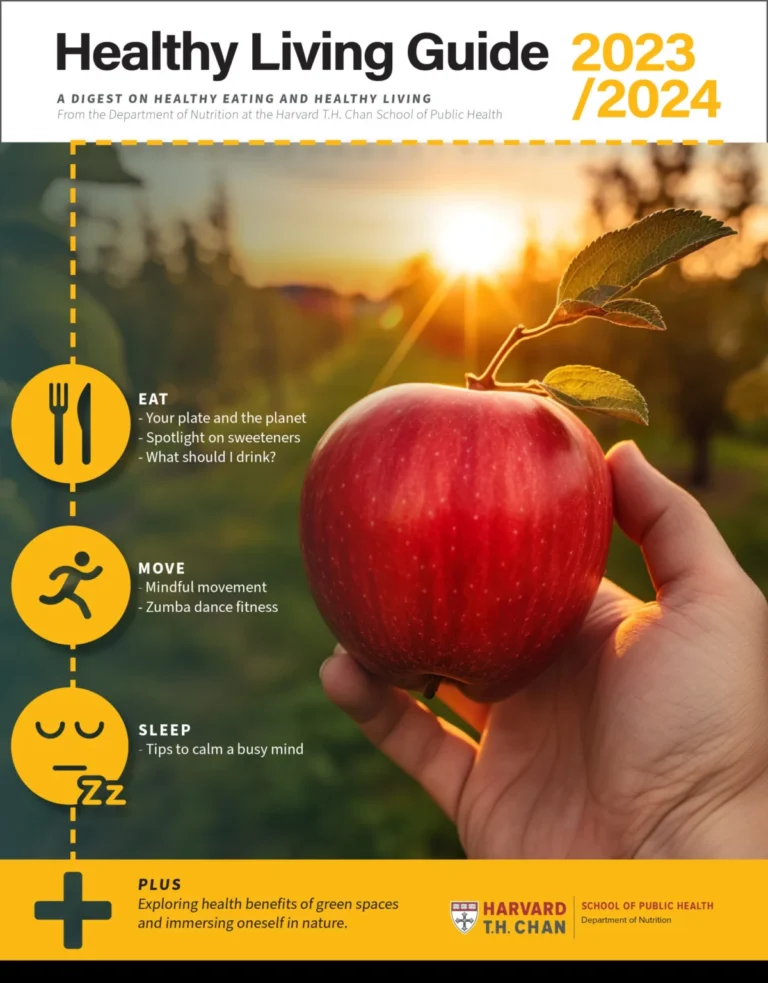












In a move that has sparked a significant scientific discourse within the global health community, the World Health Organization (WHO) recently unveiled its updated guidelines for healthy eating. While the new framework provides comprehensive advice on the consumption of carbohydrates, sodium, added sugars, and non-sugar sweeteners, a specific recommendation regarding total fat intake has drawn sharp criticism from nutrition scientists at the Harvard T.H. Chan School of Public Health.
The WHO’s updated directive suggests that individuals aged two and older should limit total fat intake to 30% or less of their total daily caloric intake. Harvard researchers, however, argue that this specific threshold is not only unsupported by decades of modern nutritional science but may also inadvertently encourage the consumption of refined carbohydrates—a shift that could prove detrimental to long-term public health.
The Core Controversy: Is "Low-Fat" Still the Gold Standard?
The fundamental disagreement lies in the WHO’s reliance on a meta-analysis that Harvard experts describe as "deeply flawed." For decades, the nutritional landscape was dominated by the belief that reducing total fat was the most effective strategy for weight management and the prevention of chronic disease. However, the paradigm shifted in the late 20th and early 21st centuries as researchers began to distinguish between types of fat.
Harvard’s Department of Nutrition argues that the WHO’s 30% cap ignores the robust, multi-decadal body of evidence proving that the quality of fat is far more important than the quantity. By lumping healthy unsaturated fats—such as those found in olive oil, nuts, avocados, and fatty fish—into the same category as trans fats and excessive saturated fats, the WHO guidelines risk discouraging the consumption of heart-healthy, nutrient-dense foods.
A Chronology of Nutritional Shifts
To understand why this friction exists, one must look at how dietary science has evolved:
- The 1970s and 80s: The medical establishment largely adopted a "low-fat" philosophy, prompted by the initial understanding of cardiovascular disease. The focus was on caloric density, leading to the proliferation of low-fat, high-sugar processed foods.
- The 2000s: Landmark studies, including the PREDIMED trials, began to challenge the low-fat orthodoxy. These studies demonstrated that participants on a Mediterranean diet—characterized by higher fat intake (39–42% of total calories) primarily from plant-based, unsaturated sources—showed significantly lower risks of cardiovascular disease and type 2 diabetes.
- 2015–2020: Major international dietary guidelines began moving away from total fat limits, focusing instead on food patterns.
- July 2023: The WHO releases its updated guidance. While it aligns with modern science on trans fats and added sugars, it retains the 30% total fat limit, reigniting a debate many thought had been settled by the scientific community.
Supporting Data: Where the WHO and Harvard Diverge
The critique from Harvard is not based on mere opinion but on a detailed technical review of the meta-analyses used by the WHO. Dr. Walter Willett, Professor of Epidemiology and Nutrition at Harvard, has been a vocal opponent of the 30% cap, highlighting several critical weaknesses in the data underpinning the WHO’s decision.
Selective Data and Confounding Variables
Harvard researchers note that the WHO’s meta-analysis excluded high-quality randomized controlled trials (RCTs) that were specifically designed to measure the relationship between dietary fat and weight change. Instead, the WHO report relied on studies where weight change was not the primary outcome and where participants often had pre-existing chronic conditions.
The "Intensive Guidance" Bias
A major flaw identified by the Harvard team is the unequal intervention design in many of the studies cited by the WHO. In these trials, the "low-fat" group often received intensive dietary counseling and consistent monitoring, while the control groups received little to no support. It is well-documented in nutritional science that intensive monitoring alone leads to weight loss, regardless of the specific dietary changes being tested. Consequently, the weight loss observed in these studies may have been a result of the process of counseling, not the reduction of dietary fat.
The Magnitude of Effect
Even if one were to accept the WHO’s data at face value, the clinical significance is questionable. Dr. Willett points out that the difference in weight between the low-fat and high-fat groups in the meta-analysis was a mere 0.9 kilograms (about two pounds). From a public health perspective, such a negligible difference is insufficient to form the basis of a global dietary recommendation, especially when the recommendation carries the risk of unintended negative consequences.
The Unintended Consequences of Limiting Fat
The primary concern voiced by Harvard experts is the "substitution effect." When individuals or populations are told to limit total fat, they often compensate by increasing their intake of carbohydrates.
If this shift leads to the consumption of whole grains and legumes, the impact may be neutral. However, the reality of the modern global food supply is that "low-fat" often leads to increased consumption of refined carbohydrates, starches, and added sugars. Extensive research has shown that high intake of refined carbohydrates leads to spikes in blood glucose and insulin levels, increases in triglycerides, and a higher risk of metabolic syndrome. By prioritizing a low-fat target, the WHO may be inadvertently guiding the public toward the exact foods that contribute to the obesity and diabetes epidemics.
Official Responses and Institutional Stance
The WHO maintains that its guidelines are intended to provide a universal framework that balances complexity with the need for clear, actionable advice for diverse populations. However, the Harvard T.H. Chan School of Public Health’s stance is clear: while the WHO’s advice on reducing sugar, sodium, and trans fats is grounded in strong evidence, the total fat limit is outdated and potentially counterproductive.
The Harvard team suggests that the emphasis should remain firmly on the type of fat consumed. Replacing saturated and trans fats with unsaturated fats from plant sources is universally supported by the evidence. The "30% cap" on total fat, however, is viewed by many leading nutritionists as a vestige of 20th-century thinking that fails to account for the complexity of human metabolism and the benefits of healthy fat sources.
Implications for Public Policy and Personal Health
What does this mean for the average person trying to make healthy choices? The implications of this academic dispute are significant for how governments and health organizations structure future dietary guidelines.
- Shift toward Food Patterns: Experts are increasingly moving away from "nutrient-counting" (like fat percentages) toward "dietary patterns" (like the Mediterranean or DASH diets). These patterns emphasize what to eat rather than how much of a single macronutrient to avoid.
- Focus on Quality: The consensus among researchers is that the focus should be on eliminating trans fats and reducing refined carbohydrates, while allowing for healthy fats.
- Critical Literacy: This debate serves as a reminder for the public to remain critical of dietary guidelines. Nutritional science is an iterative process; guidelines that were once considered the "gold standard" are often revised as new data emerges.
Conclusion: A Call for Evidence-Based Nuance
The disagreement between Harvard and the WHO highlights the tension between the need for simple, easy-to-follow public health messaging and the complex, nuanced reality of nutritional science. While the WHO provides essential guidance on reducing dangerous dietary elements, the Harvard critique underscores the danger of clinging to outdated thresholds that may do more harm than good.
As the global community continues to combat rising rates of obesity and chronic disease, the focus must remain on high-quality, whole-food nutrition. In the case of dietary fat, the message from the scientific community is clear: don’t fear the fat—choose the right kind.