









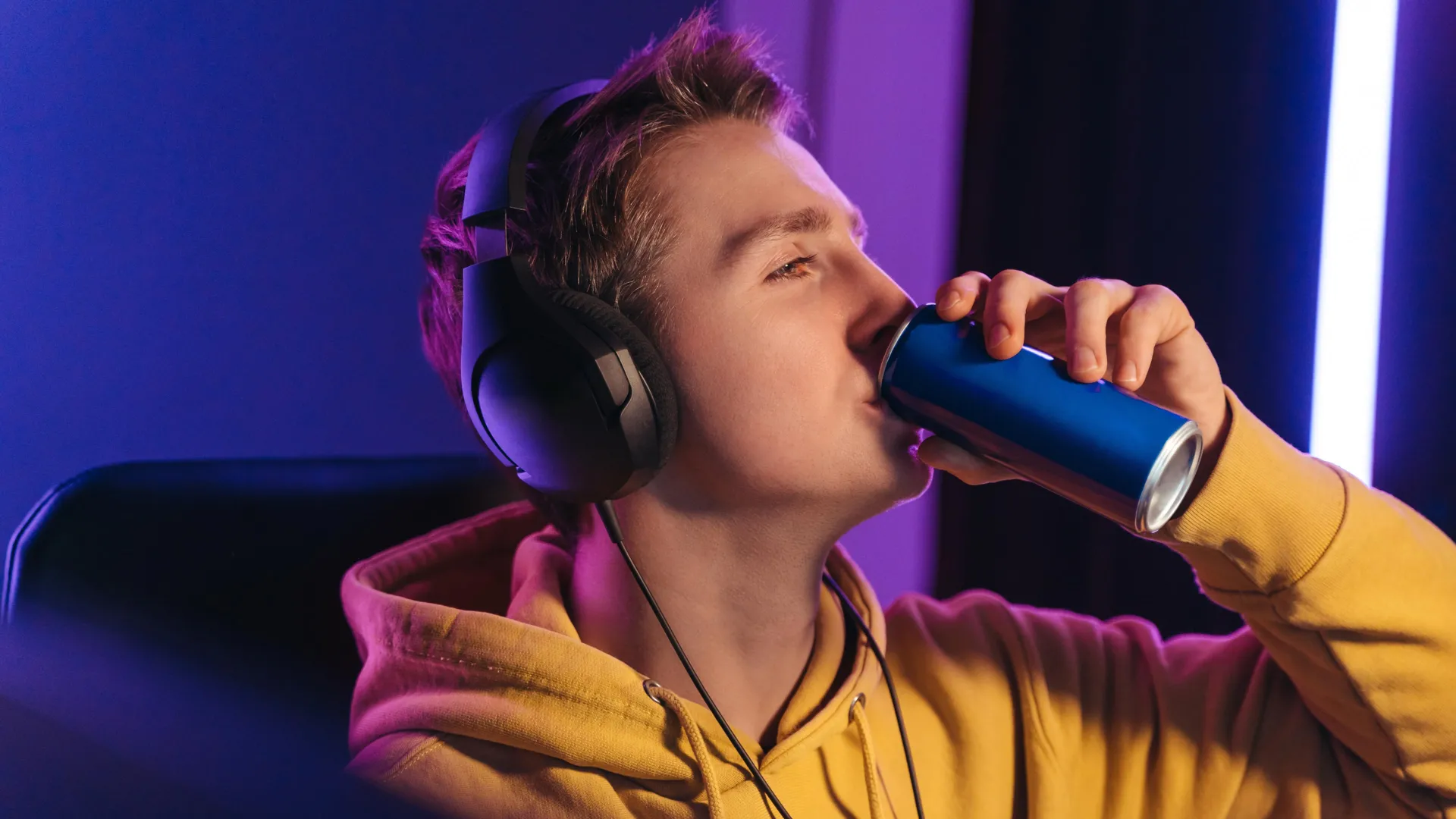
In the high-octane landscape of modern life, energy drinks and concentrated stimulant supplements have evolved from niche athletic aids into cultural staples. With a market valuation exceeding $20 billion in 2024—a figure that has more than doubled over the last decade—these products are now as ubiquitous as bottled water and soda. However, a growing body of preliminary research is casting a long shadow over this booming industry, highlighting a concerning correlation between the frequent consumption of these stimulants and severe cardiovascular emergencies.
Recent findings, presented at the American Heart Association’s (AHA) Scientific Sessions 2026, have sent ripples through the medical community. By analyzing federal safety reports, researchers identified a striking pattern: products laced with high concentrations of caffeine and various stimulants appear far more frequently in documentation related to cardiac arrests, heart attacks, and other life-threatening heart events than their non-stimulant counterparts.
The Scope of the Concern: Data and Trends
The research, led by Sai Samayamanthula, a fourth-year medical student at the University of Virginia School of Medicine, sought to peer behind the curtain of the booming supplement market. The team scrutinized 28,345 reports of suspected adverse reactions submitted to the U.S. Food and Drug Administration (FDA) between 2017 and 2025.
Of these reports, 854 specifically involved energy drinks or dietary supplements containing caffeine or other stimulants, while the remaining 27,491 reports concerned products devoid of such ingredients. By categorizing products based on ingredients—including methylxanthines like guarana and yerba mate, as well as sympathomimetics like synephrine and yohimbine—the team was able to isolate the impact of the "stimulant" variable.
The results of this analysis were stark. While the researchers were careful to note that these figures do not represent an absolute increase in risk, the frequency of cardiac-related incidents in the stimulant-containing group was disproportionately high compared to the control group. This discrepancy suggests a potential "safety signal" that warrants deeper, more systematic investigation by regulatory bodies.
A Demographic at Risk: The Vulnerability of Young Adults
Perhaps the most alarming aspect of the 2026 findings is the demographic breakdown. Reports of serious cardiovascular events involving these products were disproportionately concentrated among individuals aged 18 to 34.
Why this specific age group? Researchers admit the exact mechanisms remain unclear, but they have posited several theories. Younger adults are statistically more likely to be heavy consumers of energy drinks, often using them to fuel academic rigor, work shifts, or social outings. Furthermore, the context of consumption matters. Consuming high-caffeine products in conjunction with intense physical exertion, or mixing them with alcohol or other substances, may create a "perfect storm" for the heart.
Additionally, some young adults may harbor undiagnosed congenital heart conditions or latent cardiovascular issues that are exacerbated by the rapid spike in heart rate and blood pressure caused by concentrated stimulants. The "everyday pick-me-up" marketing narrative often ignores these physiological realities, leading many young consumers to underestimate the biological toll of frequent intake.
The Regulatory Gap: Food vs. Pharmacy
A central issue fueling this medical debate is the classification of energy drinks and supplements under U.S. law. Unlike medications, which must undergo rigorous clinical trials and safety testing to prove efficacy and safety before reaching the public, energy drinks and supplements are regulated primarily as food products.
Because the FDA does not require the same level of pre-market oversight for dietary supplements, manufacturers have significant latitude in product formulation. This has led to an "arms race" of caffeine concentration. While the AHA states that most adults can safely consume up to 400 mg of caffeine daily—roughly the equivalent of five 8-ounce cups of brewed coffee—many modern energy drinks and pre-workout powders dwarf this. Some pre-workout supplements on the market today contain concentrations of caffeine more than 12 times higher than that of standard coffee.
When a product is marketed and sold alongside shelf-stable beverages, the consumer is psychologically primed to view it as benign. "These products are marketed as everyday pick-me-ups… so most people assume they carry no real risk," says Samayamanthula. This perception gap is exactly what experts fear may be leading to preventable medical crises.
Chronology of the Scientific Debate
The conversation regarding caffeine safety is not new, but it has gained significant urgency as product formulations have become more extreme.
- Pre-2017: Initial anecdotal reports of arrhythmias and palpitations following high-caffeine intake began appearing in medical literature.
- 2017–2025: The period during which the analyzed FDA database reports were collected. During this window, the market for "extreme" energy supplements expanded rapidly.
- 2026: The American Heart Association releases a formal scientific statement on caffeine and cardiovascular disease, providing the academic framework for understanding how caffeine affects the heart.
- Late 2026: The presentation of the University of Virginia study at the AHA Scientific Sessions brings the "safety signal" to the forefront of national discourse, urging a re-evaluation of how these products are monitored.
Official Responses and Medical Guidance
Dr. Gregory M. Marcus, a professor of medicine at the University of California, San Francisco, and chair of the 2026 AHA scientific statement, emphasizes that while the findings are compelling, they are not a "smoking gun."
"This study raises concerns that products with very high amounts of caffeine may be harmful to the cardiovascular system," Dr. Marcus noted. "Although there are biological reasons why that connection could be possible, the study does not prove that caffeine products cause these events."
Dr. Marcus points out that because the data relies on voluntary reporting to the FDA, it is subject to "reporting bias." For instance, a person who suffers a cardiac event after drinking an energy drink is more likely to report that specific product than someone who suffers an event after drinking a cup of coffee. The data, therefore, shows a correlation rather than a proven causation.
Despite this caveat, the medical community’s consensus is shifting toward greater caution. Healthcare professionals are being urged to integrate detailed "caffeine histories" into their intake protocols. If a young patient presents with chest pain, palpitations, or fainting spells, physicians are now increasingly likely to investigate their consumption of energy drinks and pre-workout supplements as a potential contributing factor.
Implications for Public Health and Future Research
The findings from the 2026 sessions suggest that the status quo is insufficient. If a segment of the population is experiencing cardiovascular events linked to the consumption of widely available, lightly regulated stimulants, public health policy may need to evolve.
Potential Future Directions Include:
- Mandatory Labeling: Clearer warnings regarding the total caffeine and stimulant content, perhaps with explicit warnings for those with heart conditions.
- Sales Restrictions: Discussions around age-gating the sale of high-caffeine energy drinks, similar to restrictions placed on tobacco or alcohol.
- Stricter Regulatory Oversight: Reclassifying certain ultra-concentrated supplements as pharmaceutical-grade products, requiring more rigorous safety documentation.
- Public Awareness Campaigns: Educating the youth demographic about the physiological effects of stimulants, specifically highlighting the difference between a cup of coffee and a highly concentrated pre-workout powder.
Conclusion: A Call for Caution
The convenience and performance-enhancing allure of energy drinks have fundamentally changed how we fuel our bodies. Yet, the evidence presented at the 2026 American Heart Association Scientific Sessions serves as a sobering reminder that there is no such thing as a "free" boost.
For the vast majority of consumers, occasional use of these products may remain relatively safe. However, the current "wild west" of supplement regulation means that consumers are often unaware of exactly how much stimulant they are ingesting. Until further research can definitively untangle the relationship between these products and serious cardiac events, medical experts advise a policy of extreme moderation.
As we look toward the future, the burden of proof rests on both manufacturers to provide safer products and on regulators to ensure that the convenience of modern consumption does not come at the cost of public health. For now, the best advice for the consumer is simple: know what you are drinking, understand the dose, and never mistake a label for a guarantee of safety.