









Introduction: The Legislative Landscape in Flux
In the early spring of 2020, the United States was navigating a dual crisis: the rapidly escalating COVID-19 pandemic and the persistent, systemic challenge of the opioid epidemic. While the nation’s focus pivoted toward emergency public health measures, the machinery of Capitol Hill continued to grind through crucial legislative agendas aimed at curbing substance use disorder (SUD). This policy report analyzes the legislative activity occurring between March and April 2020, highlighting key subcommittee hearings, the push for expanded privacy protections in addiction treatment, and the strategic outlook for federal intervention.
As the House Energy and Commerce Committee Health Subcommittee convened on March 3, 2020, the objective was clear: to evaluate a suite of legislative proposals designed to stem the tide of opioid misuse and overdose fatalities. The following sections provide a comprehensive breakdown of the legislative developments, the stakeholders involved, and the broader implications for the American recovery landscape.
I. Main Facts: The March 3rd Hearing
On March 3, 2020, the House Energy and Commerce Committee Health Subcommittee held a critical hearing centered on the reauthorization and expansion of opioid-related health policies. This hearing served as a crucible for lawmakers to debate the efficacy of existing programs and to introduce new mechanisms for federal support.
The primary focus of the hearing was the consideration of a wide-ranging legislative package intended to address gaps in the current continuum of care. Legislators scrutinized the integration of addiction services into primary care, the expansion of access to Medication-Assisted Treatment (MAT), and the streamlining of federal grants provided to states grappling with high rates of overdose. The hearing underscored a bipartisan consensus: the opioid crisis had not abated, and the legislative framework established in previous years—such as the SUPPORT Act—required constant refinement to meet the evolving nature of the epidemic.
II. Chronology of Policy Developments
To understand the trajectory of these policy efforts, it is essential to track the sequence of events that defined the early spring of 2020:
- Early March 2020: The House Energy and Commerce Committee formalizes its agenda, prioritizing the hearing on opioid misuse and overdose prevention. The hearing focuses on testimony from public health experts and state health officials.
- Mid-March 2020: As COVID-19 cases surge, the Senate Health, Education, Labor and Pensions (HELP) Committee begins internal discussions regarding the prioritization of healthcare legislation. While many committees face delays, the momentum behind substance use policy remains a secondary priority for the Senate leadership.
- Late March to Early April 2020: Advocacy groups, including Capitol Decisions, work to ensure that addiction treatment remains on the legislative radar. Discussions regarding 42 CFR Part 2—the federal regulation governing the confidentiality of substance use disorder patient records—begin to gain traction, with stakeholders debating whether privacy protections hinder or help integrated care.
- April 14, 2020: A formal update is issued to the public, documenting the legislative progress and setting the stage for future hearings regarding the intersection of pandemic-related restrictions and addiction service accessibility.
III. Supporting Data: The Scope of the Crisis
The urgency behind the March 3rd hearing was not anecdotal; it was driven by stark statistical realities. According to data provided by federal health agencies and independent policy analysts, the United States was facing an unprecedented rise in synthetic opioid-related deaths.
The Prevalence of Opioid Misuse
Between 2018 and 2020, the landscape of the opioid epidemic shifted from prescription opioids to illicitly manufactured fentanyl and its analogs. The data presented during the subcommittee sessions indicated that:
- Overdose Rates: Despite initial progress in reducing prescription opioid distribution, overall overdose rates remained high, driven by the contamination of the illicit drug supply.
- Treatment Gaps: Data highlighted that less than 20% of individuals suffering from opioid use disorder (OUD) were receiving evidence-based medication-assisted treatment.
- Economic Impact: The economic burden of the opioid crisis—accounting for lost productivity, healthcare costs, and criminal justice expenditures—was estimated to exceed $500 billion annually.
These figures served as the foundation for the legislative proposals considered in March, emphasizing the need for robust funding for state-level initiatives and the removal of regulatory barriers for healthcare providers.
IV. Official Responses and Legislative Deliberations
The legislative process involved a complex interplay between the House and Senate committees. The House Energy and Commerce Committee, chaired by Representative Frank Pallone (D-NJ), emphasized the need for a comprehensive, long-term strategy.
The Senate HELP Committee Outlook
Parallel to the House’s efforts, the Senate HELP Committee, under the leadership of Senator Lamar Alexander (R-TN), signaled an interest in addressing the regulatory hurdles facing the treatment industry. A central point of contention was the proposed amendment to federal privacy protections for addiction treatment.
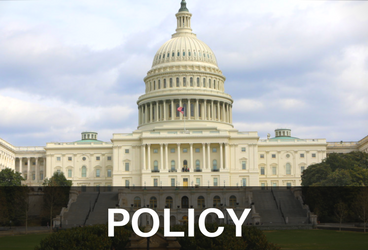
Currently, under 42 CFR Part 2, substance use treatment records are afforded a higher level of privacy than standard medical records. While intended to prevent discrimination, critics—including various healthcare providers and some lawmakers—argued that this "siloing" of information prevented primary care physicians from having a complete view of a patient’s health history, potentially leading to dangerous drug interactions or a failure to coordinate life-saving care.
The Role of Advocacy
The policy updates provided by Holly Strain and Carol McDaid of Capitol Decisions played a pivotal role in bridging the gap between policy makers and the public. Their expertise highlighted the necessity of maintaining focus on long-term systemic change even as the nation dealt with the immediate demands of the pandemic.
V. Implications for the Future of Addiction Treatment
The legislative efforts of March and April 2020 represent a transition point in federal addiction policy. The implications of these activities are threefold:
1. Integration of Care
The focus on revising privacy laws suggests a broader legislative trend toward integrating addiction treatment into the mainstream healthcare system. The goal is to treat OUD as a chronic disease akin to diabetes or hypertension, which requires seamless communication between specialists and primary care providers.
2. Pandemic Resilience
The 2020 developments also highlighted the vulnerability of the addiction recovery infrastructure. With social distancing mandates, the shift toward telehealth became a legislative imperative. Policies discussed in early 2020 laid the groundwork for the permanent expansion of telehealth services for buprenorphine and methadone clinics, a development that would prove crucial in the months to follow.
3. Funding and Resource Allocation
The recurring theme throughout the spring of 2020 was the sustainability of funding. As federal budgets were redirected toward pandemic response, advocacy groups warned of the "silent epidemic" of substance use. The legislative focus remained on ensuring that block grants to states remained uninterrupted and that the "opioid infrastructure" built over the previous decade was not dismantled.
VI. Conclusion: A Call for Sustained Vigilance
The period of March to April 2020 was characterized by a precarious balance. Lawmakers were tasked with responding to a novel global pandemic while simultaneously preventing the collapse of existing addiction treatment frameworks. The hearings held by the House Energy and Commerce Committee were not merely procedural; they were a manifestation of the government’s commitment to addressing a crisis that claimed thousands of lives each month.
As we look back at this period, it is clear that the legislative seeds sown in the spring of 2020—regarding privacy reform, telehealth integration, and the prioritization of MAT—have significantly influenced the trajectory of modern addiction medicine. The challenges remain immense, and the legislative process continues to be a vital tool in the broader societal effort to reduce harm, promote recovery, and provide equitable access to care.
Moving forward, the success of these policies will depend on continued bipartisan cooperation and an unwavering commitment to evidence-based interventions. As noted by the experts at Capitol Decisions, the policy landscape is never static; it requires constant vigilance, advocacy, and a willingness to adapt to the changing realities of the American public health crisis.
Summary of Key Legislative Priorities (March–April 2020)
- Strengthening MAT Access: Removing barriers for clinicians to prescribe buprenorphine.
- Privacy Regulation Reform: Evaluating 42 CFR Part 2 to allow better coordination of care.
- State-Level Grant Support: Ensuring federal funds reach community-based recovery organizations.
- Emergency Adaptations: Establishing telehealth protocols for addiction treatment during public health emergencies.
This report was synthesized from policy updates provided by Capitol Decisions and legislative records from the U.S. House of Representatives.