






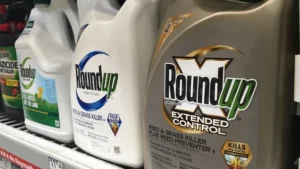

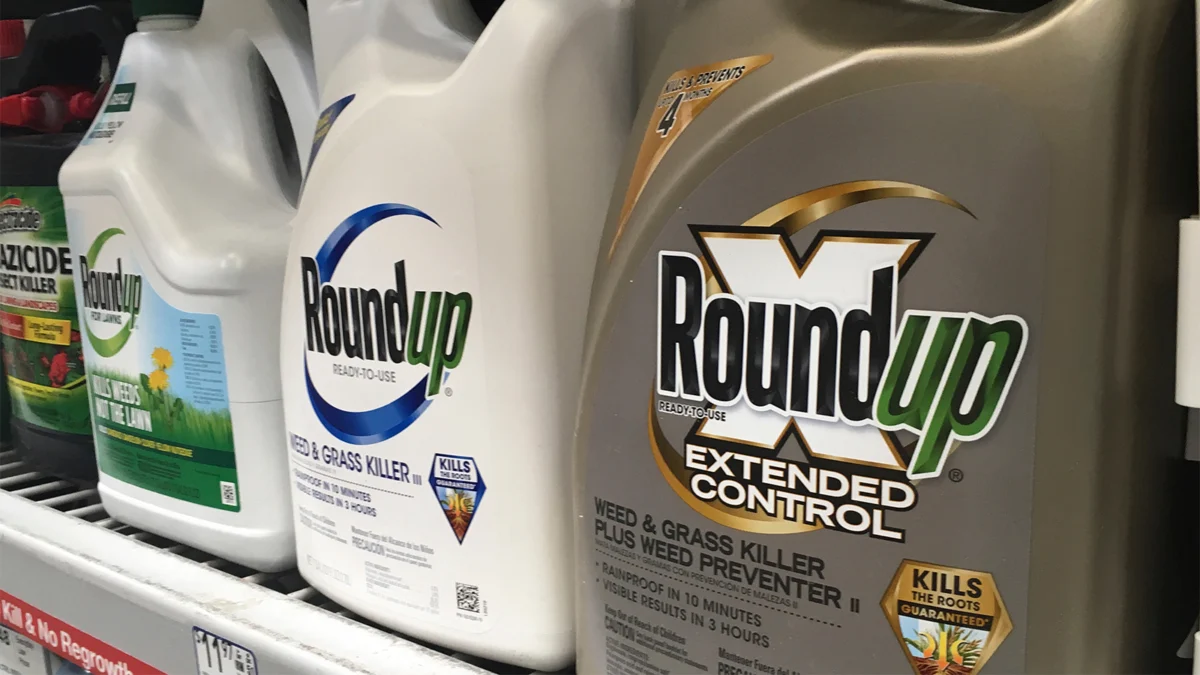
November 20, 2026 — In a move that signals a potential turning point in one of the most protracted and expensive legal battles in corporate history, a Missouri judge has officially approved a sprawling, multi-decade settlement between agrochemical giant Bayer and thousands of U.S. cancer patients. The settlement, which could reach a staggering $7.25 billion, aims to resolve claims that the company’s flagship herbicide, Roundup, is responsible for cases of non-Hodgkin lymphoma.
While the approval marks a "decisive milestone" for the Germany-based conglomerate, the legal landscape remains fraught with tension. Attorneys for some plaintiffs have criticized the payout amounts as insufficient, while the company maintains that its product is safe, highlighting a complex intersection of corporate liability, scientific debate, and federal regulatory authority.
The Core of the Settlement
The court-approved agreement provides a framework for compensating both current Roundup users already suffering from non-Hodgkin lymphoma and those who may be diagnosed in the future. Under the terms of the settlement, eligible participants stand to receive individual payouts ranging from $10,000 to $165,000. These amounts are calculated based on a variety of factors, including the intensity of the product’s use, the age of the claimant at the time of diagnosis, and the overall clinical severity of the illness.
St. Louis Circuit Judge Timothy Boyer, in his written judgment, characterized the average payouts as "fair and adequate." Furthermore, he noted that the total financial commitment from Bayer ranks among the largest in the history of mass tort personal-injury class action settlements, reflecting the sheer scale of the litigation that has plagued the company since its 2018 acquisition of Monsanto.
Chronology of a Legal Quagmire
To understand the significance of this settlement, one must look back at the trajectory of the litigation, which has been characterized by sharp volatility:
- 1974: Monsanto introduces Roundup to the global market. With glyphosate as its primary active ingredient, the herbicide becomes a staple of modern agriculture, often paired with genetically modified, herbicide-resistant crops.
- 2015: The World Health Organization’s International Agency for Research on Cancer (IARC) labels glyphosate as "probably carcinogenic to humans," sparking a wave of public concern and legal scrutiny.
- 2018: Bayer acquires Monsanto for $63 billion, inheriting not only the product but also the mounting legal liabilities associated with it.
- 2019–2023: A series of high-profile jury trials produce inconsistent results. While some juries return massive multi-billion-dollar verdicts against Bayer, others find in favor of the company.
- June 2026: The U.S. Supreme Court issues a landmark ruling, effectively undercutting a primary pillar of the plaintiffs’ arguments. The Court ruled that Bayer cannot be held liable in state courts for failing to include cancer warnings on its labels, noting that federal regulations do not mandate such warnings and preempt state-level requirements.
- October 2026: Following the Supreme Court ruling, a Missouri jury finds in favor of Bayer, signaling a potential shift in the momentum of future litigation.
- November 2026: The $7.25 billion settlement is formally approved by Judge Boyer.
The Scientific and Regulatory Tug-of-War
At the heart of the Roundup litigation lies an irreconcilable divide between scientific bodies and the legal system. On one side, plaintiffs point to the IARC classification as evidence that Roundup is a latent health hazard. Conversely, the U.S. Environmental Protection Agency (EPA) has consistently maintained that glyphosate is "not likely to cause cancer in humans" when utilized according to label directions.
This regulatory backing has been Bayer’s primary defense. The company has consistently argued that the litigation is based on an inaccurate interpretation of the science. Despite this, the financial burden of defending against approximately 200,000 individual claims has taken a significant toll. For Bayer, the settlement is a strategic maneuver to gain "financial certainty" and avoid the possibility of having to withdraw the product from the U.S. agricultural market entirely—a prospect that has been discussed in executive circles as a contingency.
Official Responses and Stakeholder Perspectives
Bayer’s Stance
Bayer CEO Bill Anderson has publicly hailed the court’s decision. "This is a decisive milestone in the company’s strategy to mitigate the risks of both pending and future Roundup litigation," Anderson stated. The company’s legal team, led by U.S. general counsel Bill Dodero, views the recent favorable jury verdicts and the Supreme Court’s intervention as proof that the tide is turning in their favor. Dodero emphasized that the legal environment is becoming increasingly difficult for plaintiffs, which he believes should discourage future baseless filings.
The Plaintiffs’ Dilemma
For the plaintiffs, the settlement represents a bittersweet compromise. Many legal representatives for the victims argue that the payouts are too low, failing to adequately account for the life-altering impact of a cancer diagnosis. However, others admit that the settlement is a "bird in the hand." Following the Supreme Court’s June ruling, the likelihood of winning large damages in court decreased significantly. As one attorney noted, "It is better to secure compensation for those suffering now than to gamble on a legal system that has effectively tied our hands."
Broader Implications for Mass Torts
The Roundup settlement serves as a case study in the complexities of modern mass tort litigation. Several key implications emerge from this resolution:
1. The Power of Federal Preemption
The Supreme Court’s decision to limit state-level labeling claims is a significant win for corporations. By establishing that federal labeling standards override state mandates, the Court has effectively narrowed the battlefield for future toxic tort cases. This shift likely contributed to the pressure on plaintiffs to accept the settlement rather than risk future dismissals based on preemption.
2. The Cost of Corporate Acquisitions
Bayer’s acquisition of Monsanto will likely be studied for decades as a cautionary tale in corporate due diligence. The "Roundup headache" has suppressed the company’s stock price and diverted massive amounts of capital toward litigation rather than research and development. It underscores how environmental and public health liabilities can transform a profitable asset into a long-term existential threat.
3. The Future of Glyphosate
While Bayer has already moved to remove glyphosate from its residential lawn and garden versions of Roundup to mitigate further risk, the product remains a cornerstone of large-scale industrial farming. The settlement does not necessarily signal the end of glyphosate, but it does signal the end of an era where the company could ignore the social and legal costs of its flagship product.
Conclusion: A Precarious Peace
The $7.25 billion settlement, while a massive figure, is essentially an insurance policy for Bayer. It trades the "all-or-nothing" volatility of jury trials for a predictable, albeit expensive, long-term payout schedule. For the thousands of patients involved, the settlement provides a measure of relief, though it will likely leave many feeling that justice was incomplete.
As the legal community watches to see if this decision faces further appeals, the Roundup saga remains a testament to the influence of both the judiciary and the scientific community in shaping the future of global agriculture. Whether this settlement effectively closes the book on the Roundup litigation or merely sets the stage for a new chapter of refined legal strategies remains to be seen. For now, both Bayer and the claimants have a path forward—a path paved with billions of dollars and defined by a compromise that neither side fully embraced, yet both found necessary.