





As September marks National Self-Care Awareness Month, the conversation surrounding the "hidden workforce" of family caregivers has reached a critical turning point. For the millions of Americans balancing professional responsibilities with the round-the-clock demands of eldercare, the concept of "respite" is often viewed as a luxury rather than a physiological necessity.
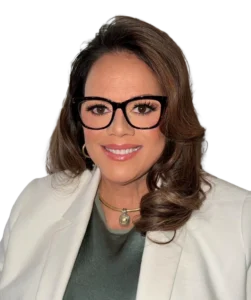
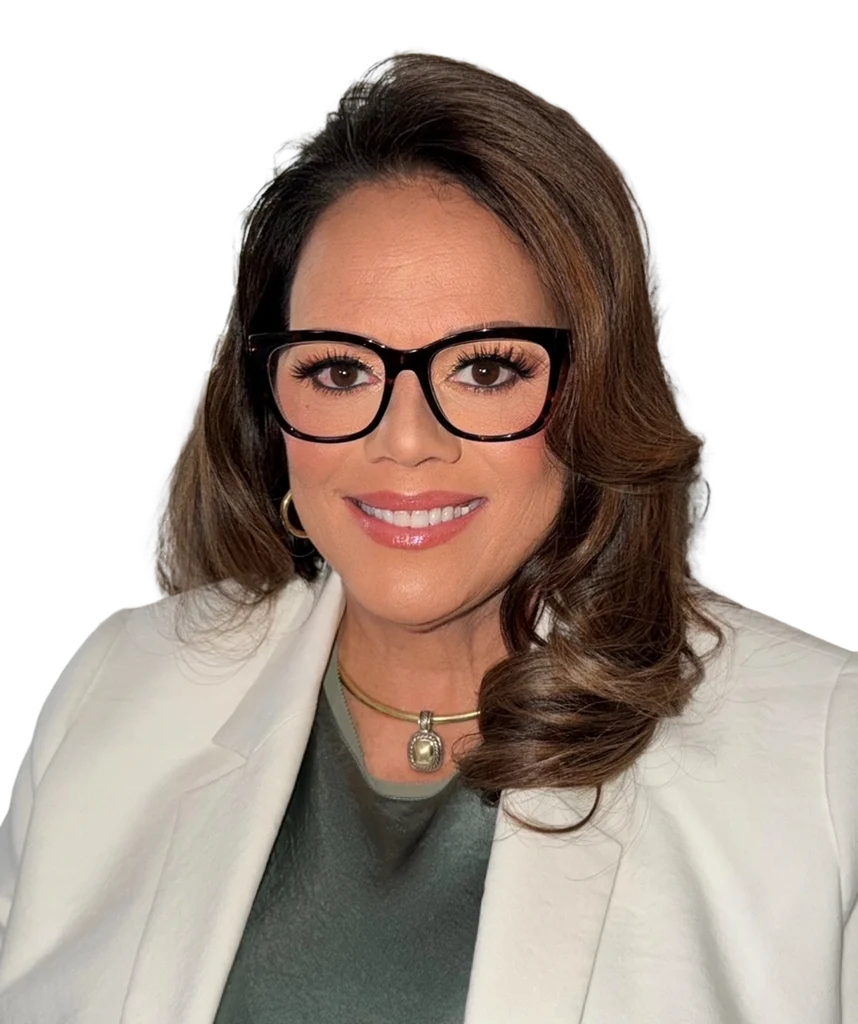
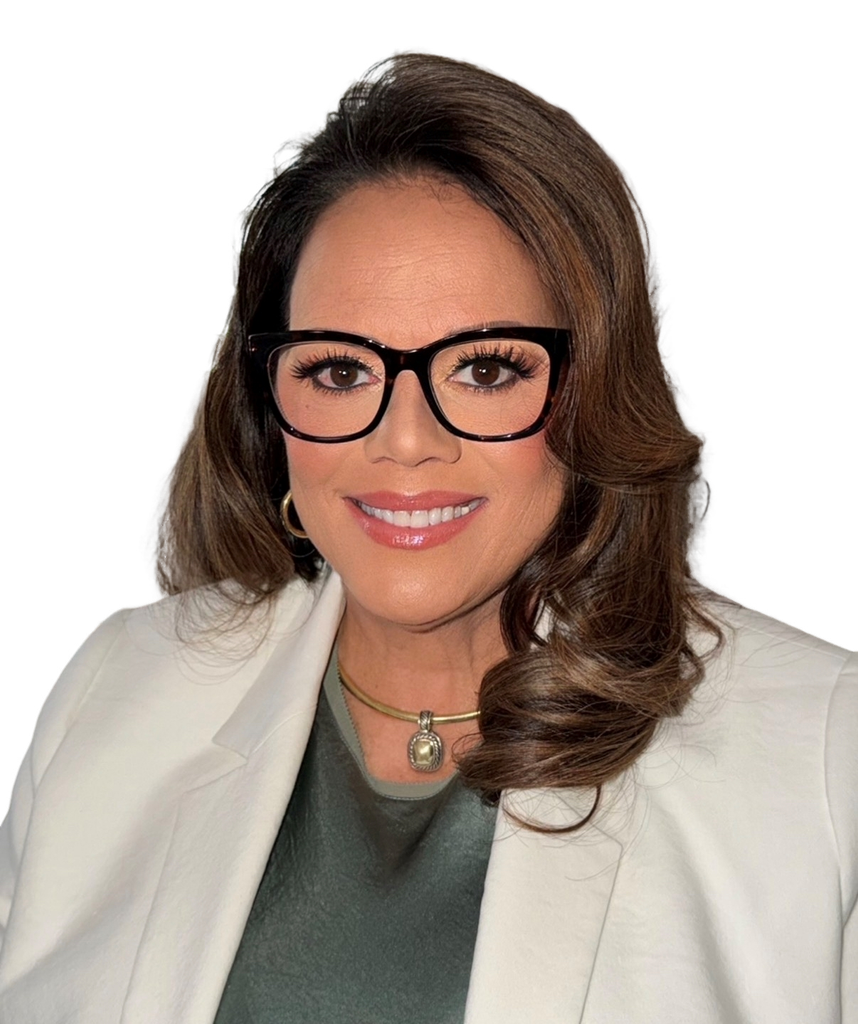
In the latest episode of the "Caregiving Club On Air" podcast (Season 6, Episode 74), host Sherri Snelling—a nationally recognized corporate gerontologist and author—sits down with Laura Williams, the founder and CEO of Respitely. Together, they dissect the "marathon" of caregiving and introduce a radical new approach to securing the breaks that prevent burnout.
The Reality of the Caregiving Marathon
Caregiving is frequently described as a marathon rather than a sprint. However, unlike a race with defined finish lines and water stations, the caregiving journey is often indefinite and fraught with emotional and physical fatigue. Snelling emphasizes that in order to sustain the "race," caregivers must prioritize physical and mental interludes. "It is the only way to create calm in the chaos of caregiving," Snelling asserts.
The challenge, however, is that caregivers rarely step away voluntarily. They are often trapped in a cycle of hyper-vigilance, feeling that their presence is the only thing standing between their loved one and a crisis. This is where the social support system—friends, colleagues, and extended family—becomes vital.
The Birth of "CareGifting": A New Paradigm
The interview highlights a significant innovation in the caregiving ecosystem: Respitely. Drawing parallels to modern convenience services like Uber Eats or DoorDash, Laura Williams explains that Respitely functions as a "matchmaker" for respite care, but with a unique philanthropic twist.
"CareGifting" is the core innovation of the Respitely model. While a caregiver may be too exhausted to research, interview, and schedule home-care assistance, their support network often wants to help but doesn’t know how. Respitely allows friends and family to fund and coordinate professional respite services for the caregiver. It shifts the burden of logistics and payment away from the person providing the care, turning a communal desire to help into a tangible, professional break.
Chronology of the Caregiving Shift
- The Rise of the Sandwich Generation: Over the past decade, demographic shifts have forced more working professionals into the "Sandwich Generation," simultaneously managing child-rearing and aging parent care.
- The Pandemic Effect: COVID-19 exposed the fragility of home-based care networks, forcing a massive reliance on family members and accelerating the need for digital respite solutions.
- The 2026 Shift: With the launch of platforms like Respitely and the digital expansion of the Caregiving Club, 2026 has become a focal point for integrating technology into the daily life of the family caregiver.
- Current State: Caregiving is now recognized as a top-tier workplace issue, with employers increasingly looking for ways to provide "care benefits" to retain talent and prevent burnout.
Supporting Data: Why Respite Matters
The necessity for respite care is backed by extensive research. Studies consistently show that caregivers who do not take regular breaks face higher risks of chronic illness, depression, and cognitive decline.
According to data from the Caregiving Club and industry partners:

- Burnout Rates: Approximately 40% to 70% of family caregivers exhibit clinically significant symptoms of depression.
- Economic Impact: The value of unpaid caregiving in the U.S. is estimated to be in the hundreds of billions of dollars annually. If these caregivers collapse, the entire healthcare system faces an unsustainable surge in demand.
- Workforce Retention: Research indicates that when employees have access to respite support, productivity increases and turnover rates drop significantly, as workers are better able to manage the cognitive load of their dual roles.
Official Perspectives and Expert Insight
During the podcast, Laura Williams shared her own story as a working mother and long-distance caregiver. Her transition from a professional in the workforce to an advocate for respite care underscores the "empathy-first" approach required in this sector. She notes that the biggest hurdle is not just the lack of services, but the "guilt barrier"—the internal resistance caregivers feel when accepting help.
Sherri Snelling, leveraging her expertise as a corporate gerontologist, argues that corporations have a fiduciary responsibility to provide caregiving support. "We are moving from a ‘benefits checklist’ culture to a ‘culture change’ era," Snelling notes. By providing managers with caregiver training and offering resources like Respitely as part of a benefits package, companies can effectively support their staff during their most vulnerable periods.
Implications for the Future of Care
The implications of this shift are profound. If we successfully normalize "CareGifting" and professional respite, we stand to change the trajectory of aging in America.
1. Societal Normalization of Help
By treating respite as a giftable commodity, we destigmatize the act of asking for help. It moves the conversation from "I can’t handle this" to "I need a recharge to be a better caregiver."

2. Economic Stabilization
As the population ages, the reliance on family caregivers is only going to increase. Integrating platforms that connect families to local agencies—such as the ARCH National Respite Care Network or the VA’s Caregiver Support Program—ensures that caregiving remains sustainable for the long haul.
3. Digital Transformation
The transition of the "Caregiving Club News" to a YouTube-centric, accessible format represents a broader trend: the digitization of support. Caregivers who are housebound or time-poor are increasingly relying on high-quality, on-demand video content for advice, wellness hacks, and logistical guidance.
Resources for Every Caregiver
The Caregiving Club, in conjunction with the interview, has compiled a robust list of resources for those seeking immediate assistance:
- For Finding Local Care: The Elder Care Locator (1-800-677-1116) remains the gold standard for connecting with Area Agencies on Aging.
- For Veterans: The VA Caregiver Support Program offers up to 30 days of free respite care annually, a vital benefit for those who have served.
- For Financial Aid: Organizations like Hilarity for Charity provide "care grants" for dementia caregivers, removing the financial barrier to entry.
- For Digital Coordination: CaringBridge allows families to create a digital hub, organizing volunteer shifts and updates for friends and family.
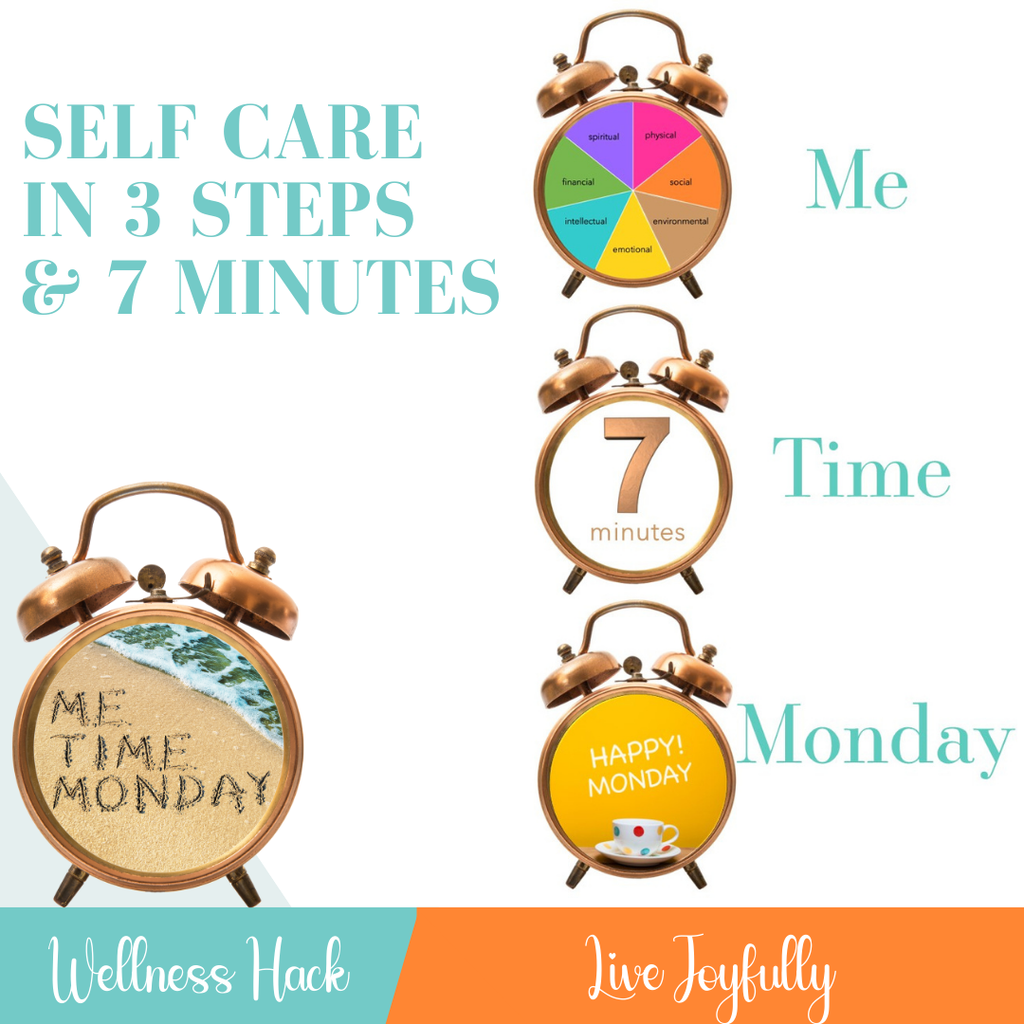
- For Wellness: The "Self-Care in 7 Minutes" video series and Sherri Snelling’s Me Time Monday provide actionable, bite-sized strategies for mental reset.
Conclusion: The Path Forward
As we reflect on September’s Self-Care Awareness Month, the core message is clear: You cannot pour from an empty cup. Whether you are a professional balancing a career and an aging parent, or a full-time family caregiver, your well-being is the foundation of the care you provide.

The evolution of tools like Respitely and the growth of the Caregiving Club’s educational network signify a future where caregivers are no longer isolated. By leveraging technology, community support, and professional respite services, the "marathon" of caregiving becomes not just a test of endurance, but a journey supported by a dedicated, empowered network.
For those interested in diving deeper into these topics, the full episode of the "Caregiving Club On Air" podcast is available on all major streaming platforms, including Apple Podcasts, Spotify, and the official Caregiving Club YouTube channel. Subscription to these channels ensures that you stay informed on the latest research, legislative changes, and wellness strategies as the landscape of caregiving continues to evolve in 2026 and beyond.