










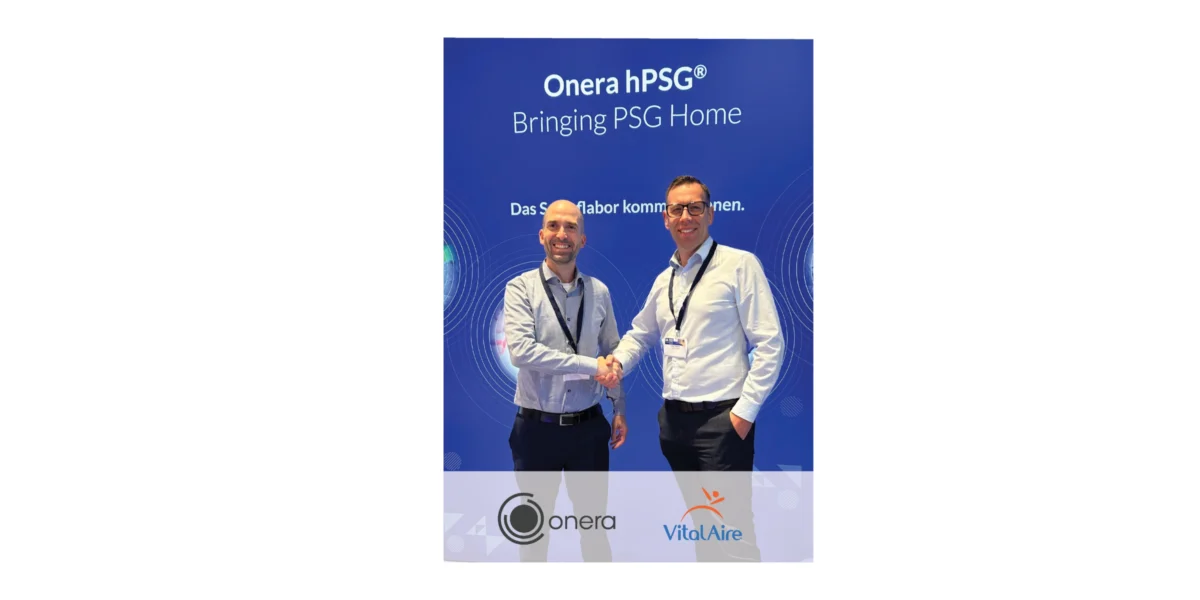
In a significant development for the German healthcare landscape, Onera Health and VitalAire, the homecare subsidiary of Air Liquide Healthcare, have announced a strategic collaboration designed to streamline the patient journey from sleep apnea diagnosis to therapy initiation. By integrating Onera’s advanced patch-based polysomnography (PSG) technology with VitalAire’s extensive homecare network, the partnership seeks to dismantle the systemic bottlenecks that have historically plagued sleep medicine in Germany.
This initiative addresses the critical "diagnostic chasm"—the often-protracted period between a patient’s initial suspicion of a sleep disorder and the commencement of life-improving treatment. By moving the gold standard of sleep testing—polysomnography—out of the overburdened laboratory and into the patient’s home, this collaboration promises to accelerate care pathways while upholding the foundational principle of patient autonomy.
The State of Sleep Medicine: Addressing the Bottleneck
Sleep-disordered breathing, particularly obstructive sleep apnea (OSA), remains one of the most underdiagnosed chronic conditions globally. In Germany, the traditional pathway for a definitive diagnosis has relied heavily on in-lab polysomnography. While in-lab testing remains the gold standard for clinical accuracy, the scarcity of available beds in specialized sleep laboratories has created a diagnostic logjam.
Patients suffering from chronic fatigue, daytime somnolence, and the systemic health risks associated with untreated apnea—such as hypertension, cardiovascular disease, and metabolic disorders—often wait months for a diagnostic appointment. This delay is not merely an inconvenience; it represents a period of significant health risk. The Onera-VitalAire partnership is designed to bypass these physical infrastructure limitations by digitizing and decentralizing the diagnostic process.
Chronology: From Diagnostic Order to Therapeutic Initiation
The collaboration introduces a streamlined, end-to-end workflow designed for efficiency, accuracy, and patient comfort. The process follows a clearly defined clinical sequence:
1. Physician-Initiated Diagnostic Request
The pathway begins with the physician. Recognizing the symptoms of a sleep disorder, the physician can now order a home-based PSG for their privately insured patients through an integrated online platform. This removes the administrative burden of scheduling lab time and simplifies the initial referral process.
2. The Onera hPSG Experience
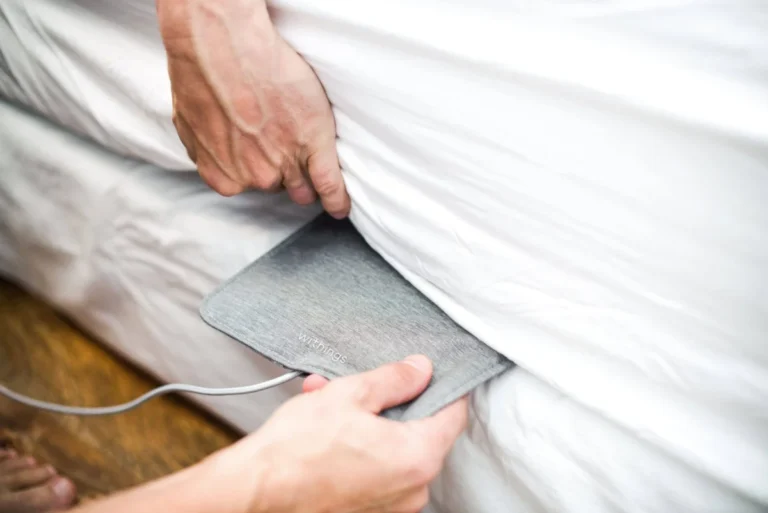
Upon the placement of the order, the Onera hPSG, a lightweight, user-friendly patch-based sensor, is shipped directly to the patient’s residence. The technology is engineered to be intuitive, allowing the patient to apply the sensors independently. By sleeping in their own environment, patients provide a more representative data set than they might in the often-stressful environment of a clinical lab.
3. Data Analysis and Reporting
Once the recording is complete, the data is processed. Onera facilitates the delivery of a comprehensive, scored clinical report back to the ordering physician. The entire turnaround—from the order being placed to the physician receiving the diagnostic data—is targeted at approximately 14 days, a significant improvement over the current industry standard in many German regions.
4. Seamless Transition to Therapy
If the data indicates a need for intervention, the physician determines the treatment protocol. VitalAire enters the workflow at this stage, coordinating the rapid initiation of respiratory care. This includes leveraging their "AtemCenter" network, specialized home visits, and advanced digital telemonitoring to ensure that the transition from diagnosis to CPAP or other therapies is frictionless.
Supporting Data and Technical Innovation
The core of this collaboration is the Onera hPSG system. Traditional polysomnography requires a suite of wired sensors, often leading to "first-night effect" anxiety, where the patient’s sleep patterns are altered by the novelty and discomfort of the lab setting.
Onera’s patch-based technology captures clinical-grade data, including airflow, respiratory effort, blood oxygen saturation, and body position, without the restrictive wiring. The efficacy of this technology is supported by the growing body of literature suggesting that "home-based" does not have to mean "less accurate." By digitizing the signal processing and employing sophisticated algorithms to score the data, Onera provides physicians with a reliable evidence base upon which to prescribe treatment.
Furthermore, the integration with VitalAire’s telemonitoring services provides a safety net. Continuous Positive Airway Pressure (CPAP) therapy adherence is notoriously difficult during the first few weeks of treatment. By utilizing digital monitoring, VitalAire clinicians can proactively identify and address compliance issues, effectively "coaching" the patient through the adjustment period.
Official Perspectives: Aligning Technology with Patient Care
The leadership behind this partnership views the collaboration as a moral and clinical imperative to improve the quality of life for those suffering from sleep-related disorders.
Ruben de Francisco, founder and CEO of Onera Health, emphasized the clinical necessity of the initiative: "Polysomnography, the gold standard sleep test, only benefits patients if a diagnosis leads to timely treatment. Working with VitalAire lets physicians in Germany offer full polysomnography at home and gives patients who need therapy the option of a defined, convenient route to an experienced homecare provider."
From the perspective of the homecare provider, the focus is on value-based care and the patient experience. Boyd Papprott, director of sales, marketing, and product management at VitalAire Germany GmbH, noted: "Too many patients lose valuable time between diagnosis and therapy, risking serious long-term health complications. At VitalAire and Air Liquide Healthcare, our commitment to value-based care focuses on maximizing patient outcomes while optimizing costs for the healthcare system. By bridging home diagnostics and seamless therapy initiation—while always respecting the patient’s full freedom to choose their provider—we can meaningfully improve quality of life from day one."
Implications for the German Healthcare System
The implications of this partnership are far-reaching, extending beyond the immediate clinical benefits to the broader German healthcare ecosystem.
Preserving Patient Choice
A critical element of the collaboration is the explicit commitment to patient autonomy. In Germany, patients have the right to choose their medical equipment provider. The partnership is structured to ensure that while the workflow is seamless, it remains non-coercive. Patients are empowered at every stage of the process to select their provider, ensuring that the convenience of the Onera-VitalAire diagnostic path does not come at the expense of competition or personal choice.
Economic Efficiency
The German healthcare system, like many in Europe, is under constant pressure to optimize costs. Reducing the reliance on expensive, brick-and-mortar sleep labs for diagnostic purposes can free up resources for more complex, in-patient cases that truly require clinical observation. By moving diagnostics to the home, the system realizes significant cost savings in terms of personnel, facility overhead, and administrative time.
Scalability and Digital Health
This model serves as a template for the digitization of other diagnostic services. As telemonitoring and remote sensor technology continue to evolve, the "hospital-at-home" concept will likely expand. The Onera-VitalAire collaboration demonstrates that complex diagnostic procedures can be safely and effectively shifted to the home environment, provided that the logistics (shipping, reporting, and follow-up) are well-integrated.
Future Outlook: A New Standard for Care?
The collaboration between Onera Health and VitalAire arrives at a time of increased interest in decentralized clinical trials and patient-centric healthcare models. As the partnership gains traction, the medical community will be watching closely to see the impact on treatment adherence rates and long-term health outcomes for patients with sleep apnea.
If successful, this model may set a new benchmark for how diagnostic technology companies and service providers interact to address chronic health issues. By aligning the interests of the physician (accuracy and speed), the provider (logistics and patient support), and the patient (comfort and autonomy), Onera and VitalAire have created a blueprint that could potentially be applied to other areas of respiratory medicine and beyond.
Ultimately, the goal is a healthier population with fewer incidences of the secondary health failures associated with sleep deprivation. For the patient in Germany struggling with the daily exhaustion of undiagnosed sleep apnea, the promise is simple: a faster path to a good night’s sleep, and by extension, a better life. As digital health tools continue to mature, the Onera-VitalAire partnership stands as a prime example of how innovation, when combined with strategic industry collaboration, can transform the very architecture of patient care.