








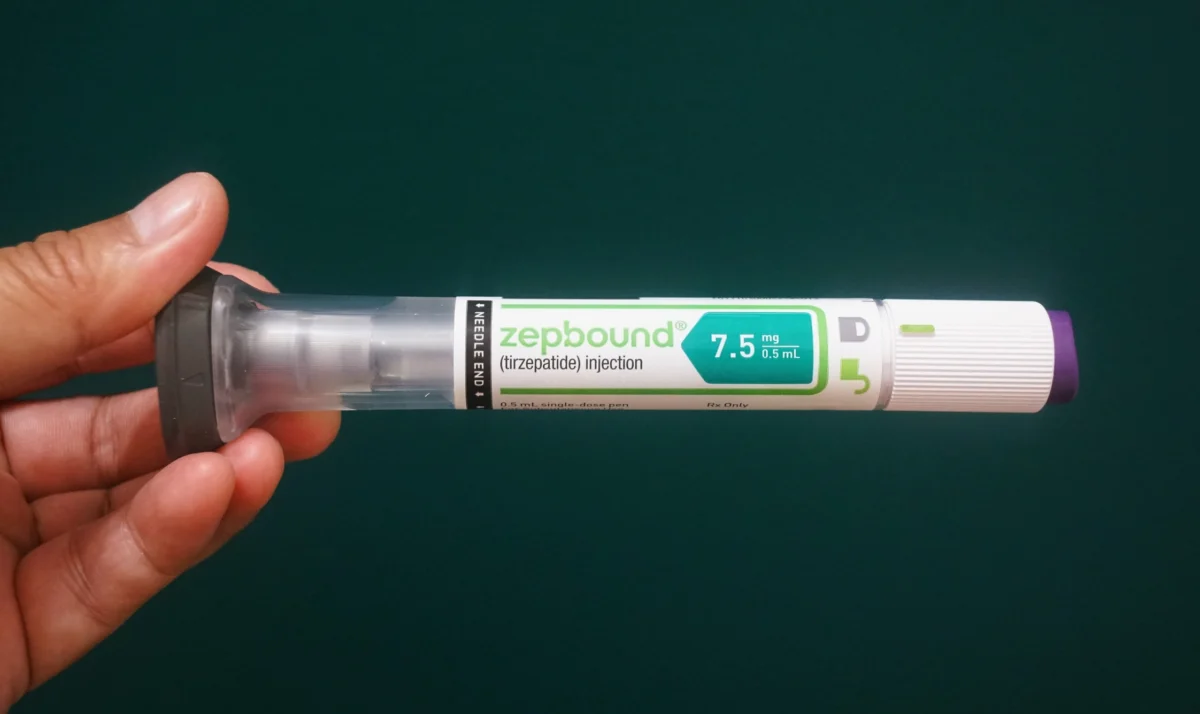
In a move that signals a significant shift in the landscape of digital health and pharmaceutical distribution, Eli Lilly and Company and Hims & Hers Health Inc. have announced a strategic collaboration designed to streamline patient access to FDA-approved obesity treatments. This agreement allows patients using the Hims & Hers digital platform to obtain direct, self-pay access to Lilly’s blockbuster medications, Zepbound (tirzepatide) and the forthcoming oral medication, orforglipron.
By integrating pharmaceutical supply chains directly with a major telehealth interface, the partnership aims to bridge the gap between clinical consultation and medication fulfillment, potentially setting a new standard for how chronic weight management care is delivered in the United States.
The Core Agreement: Streamlining the Patient Journey
The collaboration creates a seamless, end-to-end user experience for individuals seeking medical weight loss interventions. Under the new model, patients navigate the Hims & Hers platform to undergo a clinical consultation with a licensed healthcare provider. If that provider deems a GLP-1 medication medically appropriate, the patient can secure a prescription and access the medication through a transparent, self-pay pricing structure—all without leaving the digital environment.
The financial terms of the agreement are designed to be clear and accessible: self-pay pricing starts at $149 per month for orforglipron and $299 per month for Zepbound. This direct-to-consumer model bypasses many of the traditional hurdles associated with pharmacy benefit managers (PBMs) and complex insurance coverage negotiations, which have historically been a significant barrier for patients seeking these specific medications.
Chronology: From Market Frustration to Strategic Alignment
The path to this partnership reflects the rapidly evolving nature of the obesity treatment market.
- Early 2023: As the demand for GLP-1 agonists like Zepbound and Wegovy surged, supply chain constraints led to significant shortages, leaving millions of patients unable to fill prescriptions.
- Late 2023: In the wake of these shortages, the digital health space saw an explosion of "compounded" GLP-1 products—unregulated or pharmacy-modified versions of the drugs—offered by various telehealth platforms.
- Early 2024: Regulatory scrutiny intensified, with the FDA issuing multiple warnings regarding the safety and efficacy of compounded medications. During this time, major players like Hims & Hers faced pressure to clarify their supply sources and clinical standards.
- Late 2024: Eli Lilly and Hims & Hers finalized their negotiations. The agreement explicitly commits Hims & Hers to a "no-compounded-drug" policy, positioning the platform as a premium, safe, and FDA-verified conduit for legitimate pharmaceutical products.
Supporting Data: The Growing Demand for Telehealth Obesity Care
The rise of digital weight loss clinics is underpinned by a massive demographic shift in how patients interact with the healthcare system. According to recent industry reports, the number of adults seeking weight loss medication via telehealth platforms has grown by over 300% since 2022.
Key drivers include:
- Accessibility: Obesity is often under-treated in primary care settings due to time constraints and the stigma associated with the condition. Digital platforms offer a judgment-free, 24/7 environment.
- Clinical Outcomes: Data suggests that patients who combine GLP-1 medication with comprehensive support—including nutrition counseling and regular clinical check-ins—experience higher rates of long-term weight maintenance compared to those who use medication alone.
- The GLP-1 Revolution: With the success of tirzepatide in clinical trials, showing significant body weight reduction, the clinical community has shifted its perception of obesity from a behavioral issue to a chronic condition requiring pharmacological intervention.
The Hims & Hers platform is uniquely positioned to capitalize on this, as it currently provides a membership-based experience that includes not just the prescription, but also nutritional guidance, 24/7 access to care teams, and a peer-support community.
Official Responses: Aligning Corporate Visions
The leadership teams of both companies have framed this partnership as a necessary evolution in healthcare delivery.
"At Lilly, we are always looking for new ways to help more people get the medicines they need, and that means meeting patients where they already are," stated Ilya Yuffa, executive vice president and president of Lilly USA and Global Customer Capabilities. Yuffa emphasized that the move is fundamentally about removing friction: "Millions of people turn to Hims & Hers for their care, and through this agreement, those patients now have a simple, more direct way to get FDA-approved Lilly medicine at an affordable price if prescribed."
For Hims & Hers, the partnership serves as a validation of their business model. Andrew Dudum, co-founder and CEO of Hims & Hers, highlighted the reputational significance of the deal. "Lilly is one of the most innovative pharmaceutical companies in history, and I’m incredibly proud that Hims & Hers is a part of making sure more people can access the medicines they’ve created," Dudum said. "By working together, we’re not just reaching more people with obesity with seamless, personal access to FDA-approved Lilly medicine. We’re showing the industry what innovators can achieve for customers everywhere."
Implications: A New Era for Pharmaceutical Distribution
The implications of this agreement are far-reaching, affecting patients, healthcare providers, and the pharmaceutical industry at large.
1. The Death of the "Compounded" Wild West
Perhaps the most immediate implication is the reinforcement of the FDA-approved supply chain. By explicitly stating that Hims & Hers has never offered—and will never offer—compounded copies of Lilly’s GLP-1s, the company is distancing itself from the gray market of weight loss drugs. This creates a "gold standard" for telehealth providers, potentially forcing competitors to either follow suit or risk losing market credibility.
2. Clinical Autonomy and Ethical Prescribing
Both companies have gone to great lengths to emphasize that the agreement does not interfere with independent clinical decision-making. The providers on the Hims & Hers platform remain the ultimate authority on whether a patient qualifies for a prescription. This is crucial in mitigating concerns that such partnerships could lead to "pill-mill" scenarios where medication is prescribed to patients who do not meet the clinical criteria for treatment.
3. Shifts in the PBM Landscape
By utilizing a self-pay model, this partnership circumvents the traditional insurance hurdles that often prevent patients from accessing high-cost medications. While this provides immediate access, it also highlights the growing disconnect between the actual cost of medical innovation and the insurance coverage frameworks currently in place. It suggests that, in the future, more pharmaceutical companies may look toward direct-to-consumer digital platforms as a primary distribution channel, potentially weakening the influence of traditional pharmacy benefit managers.
4. Patient Outcomes and Long-term Care
The model emphasizes "holistic care" rather than just the provision of a drug. By providing a membership experience that includes nutritional guidance and routine clinical check-ins, the companies are aiming to improve long-term adherence. This is vital, as obesity is a chronic condition; patients who stop their medication without lifestyle modifications often regain weight.
Future Outlook
As the healthcare industry continues to digitize, the Lilly-Hims & Hers partnership serves as a blueprint for the future. The success of this collaboration will likely be measured by patient retention rates, clinical safety outcomes, and the ability of both companies to maintain supply levels in the face of skyrocketing demand.
If this model succeeds, it is likely to be replicated across other therapeutic areas, such as cardiovascular health, diabetes management, and mental health. We are moving toward an era where the pharmacy is not necessarily a physical storefront, but a digital destination where patient care, clinical consultation, and pharmaceutical fulfillment converge into a single, cohesive experience.
For the millions of Americans struggling with obesity, this agreement offers more than just access to medicine—it offers a structured, transparent, and clinically sound path toward a healthier future.