







By Investigative Desk
November 21, 2026
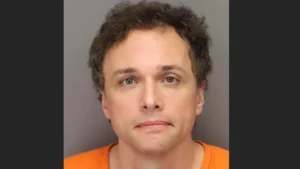
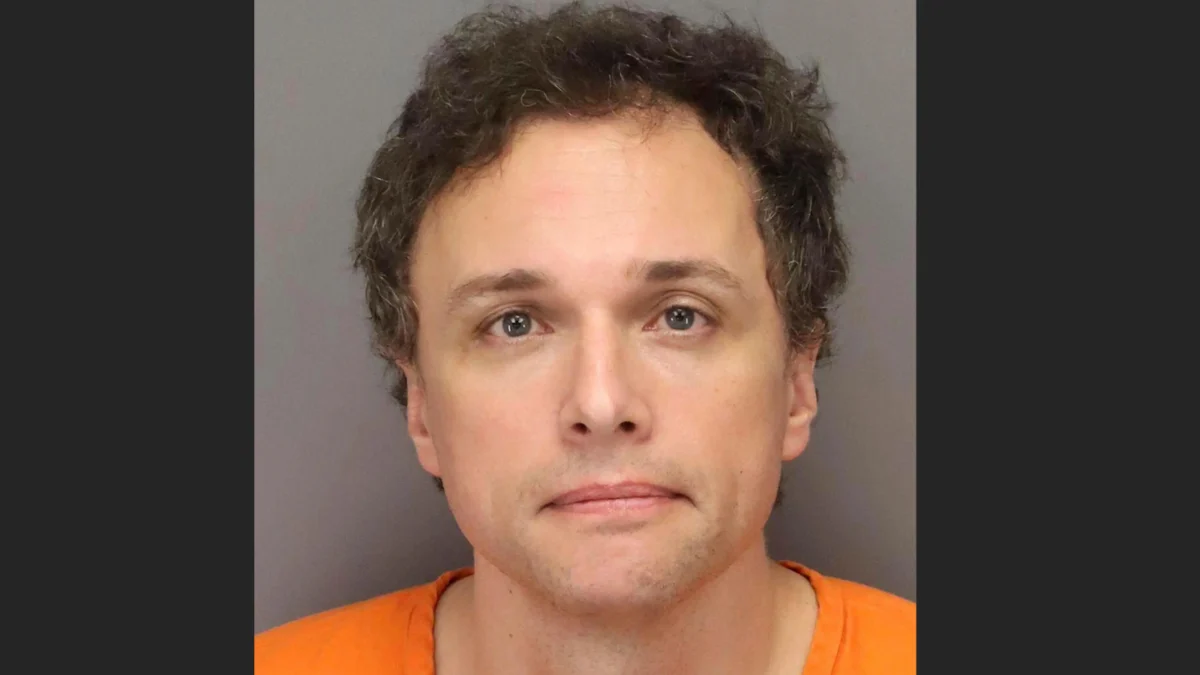
In a chilling conclusion to a case that stunned the legal and medical communities, a Florida judge has sentenced Dr. Tomasz Kosowski to death for the cold-blooded murder of attorney Steven Cozzi. The sentence, handed down this week by Pinellas Circuit Judge Joseph Bulone, marks the end of a harrowing legal saga that began in the spring of 2023 and involved an elaborate plot, a missing body, and a defendant who chose to represent himself while facing the ultimate penalty.
The case of the State of Florida vs. Tomasz Kosowski centers on the brutal slaying of Steven Cozzi, an attorney who was simply doing his job when he was targeted. The crime, described by the presiding judge as “cold, calculating, and premeditated,” has left behind a trail of grief, unanswered questions, and a legal precedent regarding the intersection of professional disputes and lethal violence.
The Facts of the Crime
The murder of Steven Cozzi was not a crime of passion or a spontaneous act of rage; it was, according to prosecutors, an execution months in the making. In March 2023, Cozzi, a dedicated attorney representing a Dunedin-based medical practice, was engaged in a long-standing, acrimonious legal battle with Kosowski over medical billing disputes. Kosowski, a former reconstructive breast surgeon and Dartmouth College medical school graduate, felt aggrieved by the practice, alleging that they had shorted him thousands of dollars and harmed his professional reputation.
On the day of the murder, Cozzi was at his law office, going about his daily duties. His keys, wallet, and cellphone remained on his desk, and a work file was left open on his computer—the silent witnesses to a life interrupted. Investigators believe Kosowski entered the office, confronted Cozzi in the restroom, and utilized a premeditated arsenal to incapacitate and kill him.
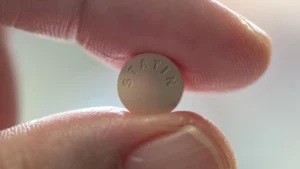
The evidence presented during the trial painted a gruesome picture. Prosecutors revealed that Kosowski had arrived at the office prepared for a surgical-like extraction of the victim. He had in his possession trash bags, a wagon to transport a body, and a syringe containing succinylcholine, a powerful paralyzing drug. Forensic investigators later discovered Cozzi’s blood and DNA not only in the office restroom but also in the garage of Kosowski’s residence, providing a definitive link between the surgeon and the crime scene.
A Chronology of Deception
The timeline of the disappearance and the subsequent investigation highlights the meticulous—if ultimately failed—efforts Kosowski took to cover his tracks.
- March 2023: Cozzi participates in a conference call with Kosowski regarding their ongoing billing dispute. Minutes after the call concludes, Kosowski, who had been waiting in his Toyota pickup truck outside the law office, enters the building.
- The Disappearance: Cozzi is never seen alive again. His husband, expecting him home, is met with silence.
- The Investigation: Within days, law enforcement begins tracking Kosowski using cellphone pings and high-resolution surveillance footage. The data places the surgeon in a remote area west of Miami along the Tamiami Trail (U.S. Highway 41).
- The Disposal: Authorities determined that Kosowski utilized a dumpster in this desolate region to dispose of Cozzi’s body. A garbage truck driver later reported a “vile” smell emanating from the bin at that specific stop.
- The Search: Despite an exhaustive search of the Collier County landfill, where the garbage was transported, Cozzi’s remains were never recovered. The facility’s industrial compaction processes rendered the recovery efforts futile.
- The Arrest: When police apprehended Kosowski, they found a “prepper-style” cache of items: $280,000 in cash, duct tape, masks, various firearms, ballistic vests labeled “EMS,” and law enforcement patches. A subsequent search of his home revealed a massive arsenal of approximately 200 guns.
- September 2026: After a trial in which Kosowski acted as his own counsel, a jury returned a verdict of guilty.
- November 2026: Judge Joseph Bulone sentences Kosowski to death.
Supporting Data and Evidence
The prosecution’s case relied heavily on the sheer volume of forensic and digital evidence. The digital trail was perhaps the most damning, as cellphone records allowed investigators to trace the surgeon’s movements with pinpoint accuracy. The transition from the law office to the remote wetlands of the Everglades formed a narrative of disposal that the defense, led by Kosowski himself, could not dismantle.
Furthermore, the physical evidence found at Kosowski’s home provided a window into his state of mind. The discovery of 200 firearms and tactical gear suggested that the murder of Steven Cozzi may have been part of a broader, more dangerous mindset. The presence of succinylcholine—a drug that causes respiratory paralysis—was particularly chilling, suggesting that Kosowski intended to incapacitate his victim before the final act.
During the penalty phase, Kosowski declined to present any mitigating evidence. While a court-appointed special counsel attempted to highlight his educational achievements at Dartmouth and his history as a surgeon, the judge found these factors insufficient. The aggravating circumstances—the premeditation, the use of a paralytic agent, and the disposal of the body—far outweighed his past professional contributions.
Official Responses and Judicial Reasoning
Judge Joseph Bulone’s sentencing remarks were direct and uncompromising. "The court concludes that the defendant, under the laws of the State of Florida, has forfeited his right to live," Bulone stated.
The judge acknowledged the gravity of the decision but emphasized that the judicial system must respond to the “cold, calculating” nature of the crime. By choosing to represent himself, Kosowski denied himself the traditional defense strategies that might have sought to leverage his lack of a prior criminal history or his medical training as a form of mitigation. Instead, his closing argument—simply asserting that the state had failed to prove its case—left the jury and the judge with little room for leniency.
The legal community has reacted with a mix of shock and resolve. The murder of an attorney in his own office represents a violation of the sanctity of the legal profession, which relies on the safety of its practitioners to function within the bounds of civil disputes. The Pinellas County Public Defender’s Office has been appointed to handle the mandatory appeals process, which is standard procedure in capital cases in Florida.
The Broader Implications
The sentencing of Tomasz Kosowski raises significant questions regarding the safety of legal professionals involved in high-conflict litigation. When professional disagreements escalate into violence, the consequences are catastrophic for both the families of the victims and the fabric of the legal system itself.
Moreover, the case highlights the limitations of forensic recovery when a perpetrator is both intelligent and sufficiently prepared. The fact that Steven Cozzi’s body was never recovered serves as a permanent, agonizing wound for his family, who have been denied the closure of a funeral and a proper burial.
As the case moves into the appellate phase, the legal community will likely debate the role of self-representation in capital trials. Kosowski’s choice to act as his own lawyer may have expedited the guilty verdict, as he lacked the emotional distance and legal strategy required to navigate the complexities of a death penalty defense.
For now, the death sentence serves as a final, harsh judgment against a man who used his medical knowledge not to save lives, but to systematically end one. The tragedy of Steven Cozzi’s death remains a cautionary tale of how quickly a professional billing dispute can spiral into a nightmare of violence when malice is allowed to fester unchecked. The state of Florida has signaled that such actions will be met with the most severe punishment available, ensuring that the legacy of this case remains one of strict, final justice.