











Main Facts: A Tripling of Clinical Depression and the Rise of the "Second Pandemic"
As the world continues to grapple with the biological and economic aftershocks of COVID-19, a secondary, more insidious crisis has taken root across the United States. While the physical symptoms of the virus have been the primary focus of public health policy for years, a mounting body of evidence suggests that the psychological toll of the pandemic may be even more enduring.
The data, according to leading researchers from Northeastern, Harvard, Northwestern, and Rutgers Universities, is stark. According to the ongoing COVID States Project, nearly 28% of Americans currently report symptoms of depression so severe they would typically warrant a clinical referral for evaluation and treatment. To put this into perspective, this figure represents a three-fold increase over pre-pandemic levels.
This "shadow pandemic" is characterized by a triple threat of rising mental health indicators:
- Clinical Depression: Affecting nearly one in three adults.
- Anxiety Disorders: Persisting at a rate of 25%, a significant elevation from historical norms.
- Suicidal Ideation: A staggering 23% of survey respondents reported having thoughts of suicide at least occasionally.
Experts suggest that the convergence of social isolation, economic instability, and the loss of traditional support structures has created a "perfect storm" for mental health deterioration. While the peak of this crisis coincided with the darkest months of the pandemic in late 2020, the expected "snap back" to mental wellness has not materialized as quickly as many had hoped, leaving the American healthcare system facing a sustained and unprecedented demand for behavioral health services.
Chronology: From the Pre-COVID Baseline to the 2021 Plateau
The trajectory of American mental health over the last several years reveals a clear correlation between the phases of the pandemic and psychological distress. By examining the timeline, researchers have been able to map the resilience—and the breaking points—of the American public.

The Pre-Pandemic Era (Prior to March 2020)
Before the emergence of SARS-CoV-2, mental health conditions were already on a slow upward trend, particularly among adolescents. However, the rates of moderate-to-severe depression hovered in the single digits for the general population. The healthcare system, while strained, operated under a predictable, if insufficient, model of care.
The Initial Shock (Spring 2020)
As lockdowns were implemented in March 2020, anxiety levels spiked immediately. By June 2020, the COVID States Project recorded a "low" point for the pandemic era, with 25% of respondents meeting depression criteria—a figure that was still drastically higher than anything recorded in the previous decade.
The Winter Surge (December 2020)
The mental health crisis reached its zenith during the winter of 2020. A combination of seasonal affective disorder, a massive surge in COVID-19 cases, and the emotional weight of a holiday season spent in isolation drove depression rates to a peak of 30%. Anxiety followed suit, hitting 28%. This period is often cited by clinicians as the moment the "mental health safety net" began to fray under the sheer volume of need.
The Uncertain Plateau (2021 and Beyond)
By early to mid-2021, despite the rollout of vaccines and the partial reopening of society, the numbers did not return to baseline. The depression rate settled at 28%, and anxiety at 25%. This suggests that for many, the pandemic did not just cause a temporary dip in mood, but rather triggered a chronic shift in mental well-being that persists even as the immediate threat of the virus recedes.
Supporting Data: Demographics of Distress and Pediatric Emergencies
The burden of this crisis has not been distributed equally. The data reveals a significant "age divide" and highlights a burgeoning emergency in pediatric care.
The Youth Vulnerability Gap
Young adults (ages 18–24) have emerged as the demographic most severely impacted by the pandemic’s disruptions. A staggering 42% of this group met the criteria for at least moderate depression. This is followed by:
- Ages 25–44: 32% reporting clinical-level depression.
- Ages 45–64: 20% reporting similar symptoms.
- Ages 65+: 10% reporting moderate or greater depression.
David Lazer, a professor of political science and computer sciences at Northeastern University, explains this disparity through the lens of "life dynamism." Younger adults are in a phase of life defined by transitions—finishing education, entering the workforce, and forming long-term relationships. The pandemic effectively "paused" or distorted these milestones, leading to a profound sense of loss and uncertainty. In contrast, older adults often have more established routines and social foundations, which may have acted as a buffer against the pandemic’s psychological impact.
The Pediatric Emergency Department Crisis
Perhaps the most concerning data comes from the Children’s Hospital of Philadelphia (CHOP). A study published in April revealed a paradoxical trend: while overall emergency department (ED) visits for physical injuries and illnesses decreased during the pandemic, the proportion of pediatric patients seeking help for mental health emergencies increased significantly.
Furthermore, these pediatric cases were more severe. A higher percentage of children arriving at the ED required full hospitalization for mental health services compared to pre-pandemic times. Dr. Polina Krass, a pediatrician at CHOP and lead author of the study, notes that this trend exacerbates a pre-existing shortage of access to pediatric psychiatric care.
Racial and Socioeconomic Inequities
The data also underscores stark inequities. Minority communities, which bore a disproportionate share of the pandemic’s health and economic burdens, also face higher risks for mental health challenges. These populations often contend with "social determinants of health," including community violence, structural racism, and a lack of culturally competent care, which complicate the recovery process.
Official Responses: Expert Guidance and the "Natural Recovery" Model
In response to these findings, officials from the National Institute of Mental Health (NIMH) and frontline clinicians have offered a roadmap for recovery that balances individual action with systemic reform.
The NIMH Perspective on Traumatic Stress
Susan Borja, chief of the NIMH’s Dimensional Traumatic Stress Research Program, emphasizes that the current spike in symptoms is a natural response to a "mass disaster." According to Borja, "increased symptoms exist along a continuum."
While many people experience symptoms that do not quite reach the level of a formal diagnosis, they still feel the impairment in their daily lives. Borja suggests that "natural recovery" is the norm for the majority of the population. As the environment stabilizes, many will see their symptoms diminish. However, she warns that a "significant minority" will experience persistent issues that require professional intervention.
Individual Coping Mechanisms
To facilitate this natural recovery, the NIMH recommends that individuals focus on "controllable factors." These include:
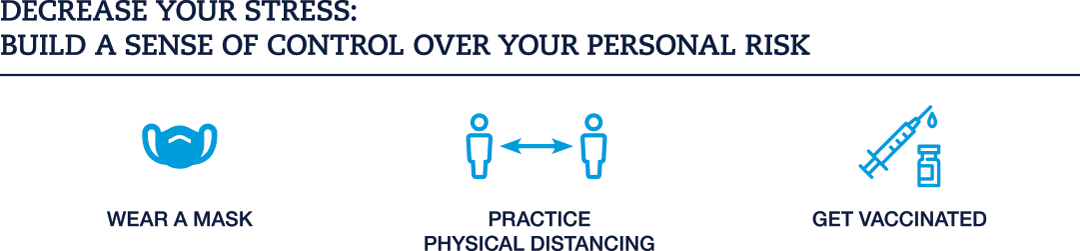
- Agency and Control: Participating in public health measures (vaccination, masking) can provide a sense of agency over personal risk.
- Routine Maintenance: Establishing a consistent schedule for sleep, exercise, and nutrition.
- Stress Management: Engaging in healthy coping mechanisms to prevent the transition from acute stress to chronic anxiety.
The Call for Systemic Change
Dr. Polina Krass argues that individual resilience is not enough. She advocates for a multi-pronged societal response that includes:
- Research Funding: Increasing the budget for mental health studies to understand the long-term neurological and psychological effects of the pandemic.
- Addressing Social Determinants: Tackling the root causes of distress, such as economic instability and racial injustice.
- Broadening Access: Expanding the "care continuum" so that mental health support is available in schools, primary care offices, and community centers, not just in emergency rooms.
Implications: Policy Reform and the Future of Public Health
The long-term implications of this data point toward a fundamental shift in how the United States views and funds public health. The "silver lining," if one exists, is the unprecedented visibility of mental health issues, which has begun to erode long-standing social stigmas.
Legislative Action: The Behavioral Health Crisis Services Expansion Act
On the policy front, there is movement to codify mental health support into federal law. The Behavioral Health Crisis Services Expansion Act (S. 1902) is a pivotal piece of legislation currently under consideration. If passed, it would:
- Set Universal Standards: Establish national standards for behavioral health crisis services.
- Ensure Accessibility: Make these services available to all individuals regardless of their ability to pay or their geographic location.
- Integration: Better integrate mental health crisis response with existing emergency services (like 988) to ensure that mental health emergencies are met with clinical support rather than law enforcement.
The Shift to a Holistic Public Health Model
The pandemic has proven that mental health is not a separate entity from physical health; rather, it is a core component of public health infrastructure. The high rates of depression and anxiety observed in 2021 suggest that the "recovery" from COVID-19 will take years, not months.
As Susan Borja noted, the recognition that mental health is a significant part of public health is a critical first step. However, the transition from recognition to action requires sustained political will and financial investment. The "shadow pandemic" has revealed the cracks in the American healthcare system; the coming years will determine whether society chooses to patch those cracks or rebuild the system entirely.
Conclusion
The data from the COVID States Project and the Children’s Hospital of Philadelphia serves as a wake-up call. With 28% of the adult population and an increasing number of children in psychological distress, the United States is facing a generational challenge. While natural recovery will help many, the systemic inequities and the high rates of suicidal ideation among the youth suggest that the "return to normal" must include a "new normal" for mental healthcare—one that is proactive, equitable, and integrated into the very fabric of American life. As Dr. Krass concluded, "There is a lot of work to be done… I hope we can leverage this moment to start to make constructive changes."