





For millions of Americans, the first line of defense against discomfort is a quick trip to the local pharmacy. Over-the-counter (OTC) pain relievers are ubiquitous, accessible, and often effective for minor ailments. However, for those living with persistent, chronic pain, these shelf-stable solutions frequently fall short. When the standard Ibuprofen or Acetaminophen no longer bridges the gap between agony and activity, patients are often left feeling isolated, frustrated, and unheard.
According to the U.S. Pain Foundation’s 2026 National Survey on OTC use, a significant portion of the population is struggling to find relief through existing non-prescription channels. This data highlights a critical disconnect between the standard medical advice of "take two and see how you feel" and the lived reality of chronic pain patients who require more nuanced, personalized care.
The Science of Sensitivity: Why One Size Does Not Fit All
Pain is not a monolithic experience. It is a complex, subjective signal processed by the central nervous system, and the mechanisms behind it vary wildly from one individual to the next.
Mechanisms of Action
The reason a specific medication works for a neighbor but fails for you lies in the underlying physiology of the pain. Nonsteroidal anti-inflammatory drugs (NSAIDs) like naproxen and ibuprofen operate by inhibiting enzymes that trigger inflammation. They are highly effective for injuries or conditions where swelling is a primary driver. Conversely, acetaminophen acts primarily on the central nervous system to elevate the pain threshold but lacks the anti-inflammatory properties of its counterparts.
When a patient suffers from neuropathic pain—pain originating from damaged or irritated nerves—neither of these common OTC options may provide significant relief. This mismatch between the medication’s chemical target and the biological cause of the pain is a primary reason for treatment failure.
Chronology of Care: The Intersection of Acute and Chronic Pain
The medical community often categorizes pain into two buckets: acute (sudden, temporary, and usually linked to a specific injury) and chronic (persisting beyond three months). However, the reality of the patient experience is rarely so binary.
For the person living with a long-term condition like fibromyalgia or osteoarthritis, the arrival of an acute injury—such as a sprained ankle or a sudden toothache—creates a compounding effect. Patients often assume that their baseline chronic pain management plan should cover these new, sudden symptoms.
The Danger of Assumptions
Medical professionals emphasize that having a chronic condition does not make one immune to new, unrelated acute health issues. If a patient experiences a sharp spike in pain that deviates from their "normal" baseline, it is a clinical red flag. Ignoring these changes under the guise of "just another flare-up" can lead to the neglect of serious underlying conditions that require urgent medical intervention.
Supporting Data: The 2026 Patient Perspective
The U.S. Pain Foundation’s 2026 survey results serve as a wake-up call for the healthcare industry. With over 60% of respondents explicitly stating that they need more diverse OTC options, it is clear that the current marketplace is failing to meet modern demands.
The data reveals a trend of "medication exhaustion," where patients report:
- Diminishing returns: Medications that provided relief in the past are now ineffective.
- Duration issues: Relief windows are narrowing, leading to a cycle of "rebound" pain before the next dose is permitted.
- Safety concerns: A lack of clarity on how to safely combine or rotate medications, leading to fears of toxicity or adverse drug interactions.
The "Relief Gap": Beyond the Pain Scale
In clinical settings, pain is frequently measured on a scale of 1 to 10. However, for the patient, the number is less important than the functional impact. True relief is defined by the ability to return to work, sleep through the night, or engage in meaningful social activities.
When a medication fails to restore function, it is not just "not working"—it is actively limiting the patient’s quality of life. This "relief gap" often occurs because of three factors:
- Onset speed: How long it takes for the medication to reach the bloodstream.
- Efficacy: The intensity of the pain reduction.
- Duration: How long the relief lasts before the patient must dose again.
Patients often attempt to close this gap by shortening the intervals between doses or combining medications from the same drug family. Such behaviors, while born of necessity, are dangerous. Doubling up on NSAIDs, for instance, significantly increases the risk of gastrointestinal bleeding and kidney stress without necessarily providing a corresponding increase in pain control.
Official Responses and Regulatory Shifts
The U.S. Food and Drug Administration (FDA) is beginning to recognize the limitations of the current OTC landscape. Through the Additional Condition for Nonprescription Use (ACNU) pathway, the FDA is exploring ways to allow more potent or specialized medications to be moved from behind the pharmacy counter to the shelf.
This pathway suggests a future where technology—such as a digital screening questionnaire or a pharmacist-assisted check—could allow consumers to access safer, more effective treatments that were previously gated by a prescription. By requiring a "safety step" before purchase, the FDA hopes to balance accessibility with the necessary precautions to prevent misuse.
Implications for the Future of Pain Management
The shift toward a more personalized approach to pain management carries profound implications for both the healthcare system and the individual.
1. The Collaborative Model
The future of pain management is no longer a monologue delivered by a physician; it is a dialogue. The "one-size-fits-all" model is being replaced by a multi-modal approach. This includes:
- Interdisciplinary care: Combining physical therapy, behavioral health (CBT for pain), and specialized pharmacological interventions.
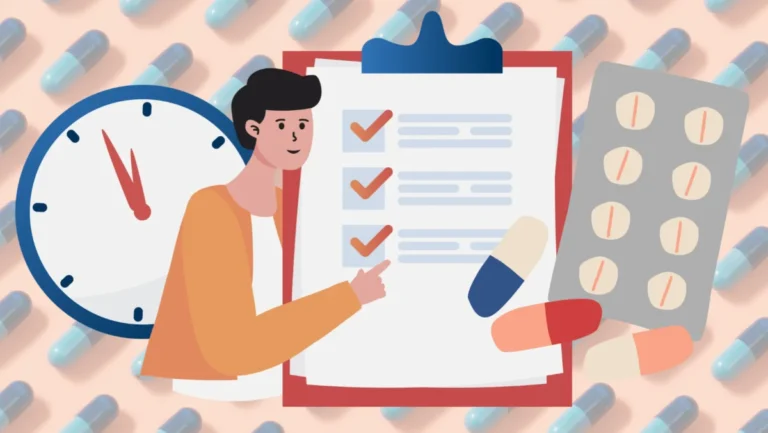
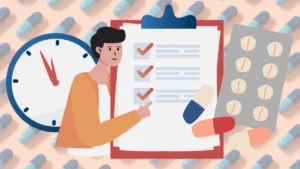
- Patient-Led Data: Tools like the What Did I Take? medication tracker empower patients to present objective evidence to their doctors, replacing vague complaints with actionable timelines.
2. Validating the Pediatric Experience
Children living with chronic pain represent a uniquely vulnerable group. Because they may lack the vocabulary to describe their pain, caregivers must be hyper-vigilant. Changes in temperament, withdrawal from sports, or a sudden decline in school performance are not just "behavioral issues"—they are often symptoms of uncontrolled pain. The implication here is clear: pediatric care must move toward objective, observational metrics to ensure that children are not suffering in silence.
Bridging the Communication Gap: How to Talk to Your Doctor
If your current OTC regimen is failing, the conversation with your healthcare provider must change. Avoid generalized statements like "it doesn’t work." Instead, focus on the functional deficits:
- "I am unable to stand for more than 10 minutes without severe breakthrough pain."
- "My medication provides relief for two hours, but the pain returns long before I am allowed to take another dose."
- "I am noticing that my pain feels different now—it is sharper and travels down my leg, whereas it used to be a dull ache."
By providing these specifics, you transform the appointment from a simple request for more pills into a diagnostic conversation about your overall health strategy.
Conclusion: You Deserve More Than "Manageable"
The goal of pain management is not merely to endure; it is to thrive. When OTC medications are not meeting your needs, it is not a sign of failure—it is a sign that your body’s requirements have evolved.
The 2026 findings from the U.S. Pain Foundation reinforce the necessity of expanding our toolkit. Whether through new FDA pathways, better integration of complementary therapies, or more rigorous, individualized medical consultations, the path forward must be one that centers the patient’s experience.
Do not settle for a status quo that leaves you struggling. Keep a log, track your symptoms, and demand a care plan that acknowledges your unique physiology. You are the primary advocate for your health, and your pain deserves a strategy that is as dynamic and complex as the life you lead.
Disclaimer: This article is intended for educational purposes only and does not constitute medical advice. Always consult with a qualified healthcare professional regarding any changes to your medication regimen. If you suspect an overdose or adverse reaction, contact Poison Control immediately at 1-800-222-1222.