




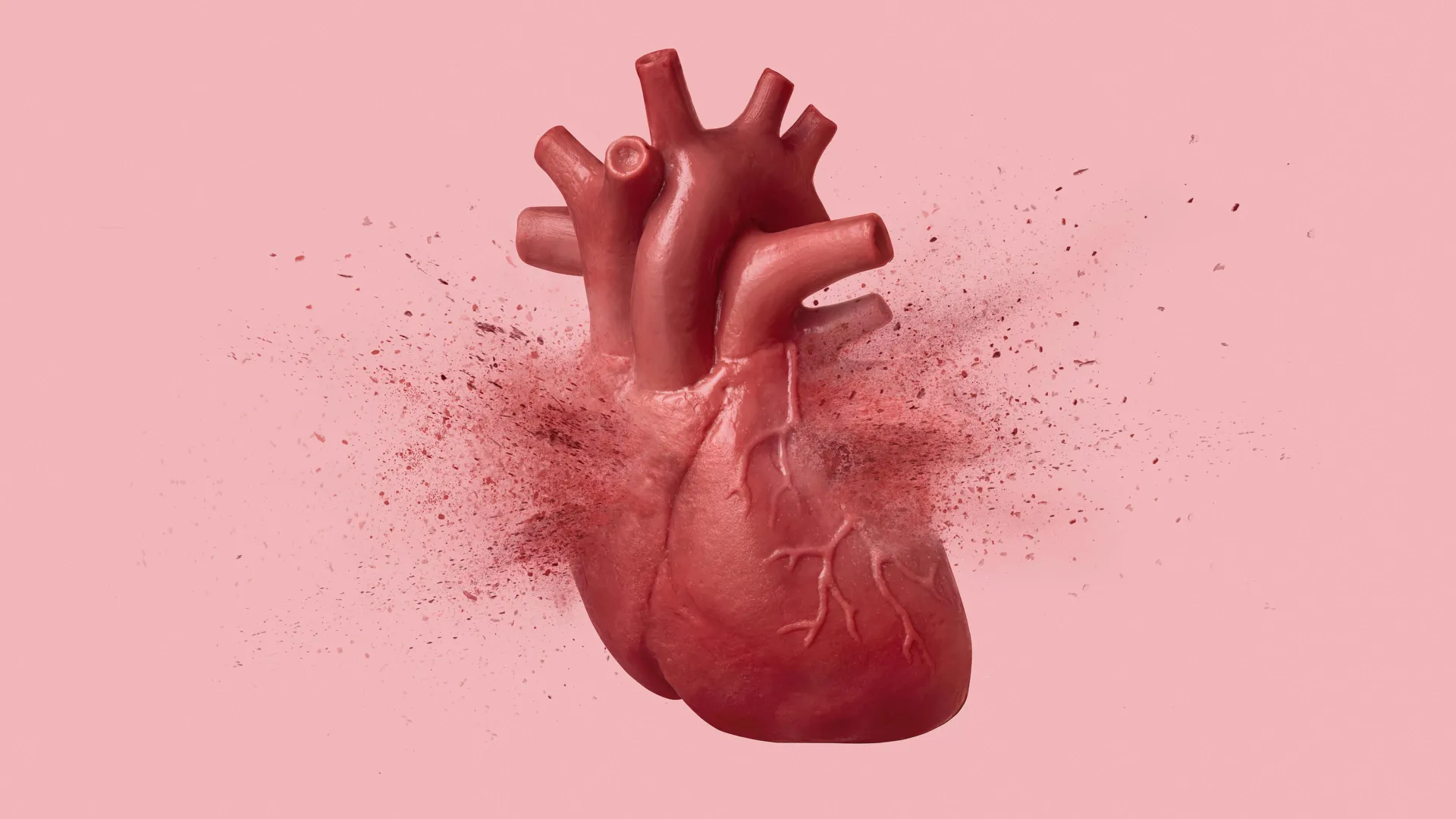
For decades, clinicians have faced a daunting challenge in emergency cardiology: distinguishing between a classic heart attack and Takotsubo syndrome—a sudden, stress-induced cardiac condition that can mirror myocardial infarction with startling precision. Often referred to as "broken heart syndrome," Takotsubo syndrome (TTS) predominantly affects postmenopausal women and can be triggered by profound emotional or physical trauma. Because its clinical presentation—including chest pain, abnormal electrocardiograms (ECG), and elevated cardiac enzymes—is virtually indistinguishable from a standard heart attack, patients are frequently subjected to invasive cardiac catheterization to rule out blockages.
Now, a breakthrough study published in the European Heart Journal offers a paradigm shift in how these patients are assessed. An international team of researchers, led by experts from the University of Zurich and the University of Greifswald, has developed the "BioTAK score," an artificial intelligence-driven diagnostic tool that can identify Takotsubo syndrome with nearly 90% accuracy using simple blood biomarkers and biological sex, all before an invasive procedure is ever performed.
The Diagnostic Dilemma: When the Heart Mimics Injury
To understand the significance of this development, one must first appreciate the diagnostic burden placed on emergency departments. Takotsubo syndrome accounts for approximately 2% of all patients initially suspected of suffering a heart attack. In the specific demographic of women presenting with acute coronary syndrome, that figure can rise as high as 10%.
The core clinical problem lies in the pathophysiology. In a classic heart attack, an artery is blocked, depriving the heart muscle of oxygen. In Takotsubo syndrome, the coronary arteries remain clear. However, the heart undergoes a temporary, reversible "stunning," often resulting in a ballooning of the left ventricle. Because the symptoms—crushing chest pain, shortness of breath, and electrical anomalies—are nearly identical, the standard protocol is to rush the patient to the catheterization lab to clear any potential blockages. While life-saving for heart attack victims, this invasive procedure is often unnecessary for those suffering from Takotsubo syndrome, exposing them to potential risks and increasing the strain on hospital resources.
A New Era of Precision: The BioTAK Score
The BioTAK score represents a convergence of artificial intelligence, molecular biology, and clinical expertise. By analyzing large datasets from the InterTAK Registry—one of the world’s most comprehensive repositories of Takotsubo data—researchers sought to identify a "molecular fingerprint" that differentiates the syndrome from ischemic heart disease.
The Development Process
The researchers utilized machine learning to sift through a vast array of blood biomarkers. The goal was to find a combination of markers that, when synthesized with biological sex, could serve as a high-fidelity diagnostic signal. The resulting BioTAK score focuses on specific proteins that reflect the unique biological environment of a Takotsubo event.
"Our study shows that a simple combination of blood biomarkers and biological sex can identify these patients with remarkable accuracy even before cardiac catheterization," says Florian A. Wenzl, co-first author of the study at the Center for Molecular Cardiology at the University of Zurich and the Radcliffe Department of Medicine at the University of Oxford.
When tested against an independent validation group of nearly 1,800 patients, the tool performed with remarkable precision. By applying predefined thresholds, the model successfully classified almost 90% of participants correctly. This represents a significant advancement in clinical decision-making, offering a potential "first-look" tool that could triage patients more effectively than current symptom-based assessments.
Unlocking the Brain-Heart Connection
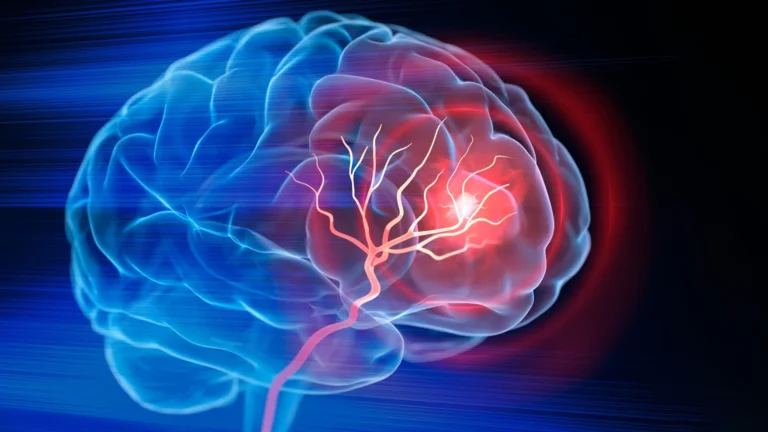
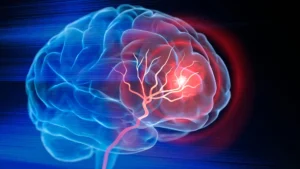
Perhaps the most profound aspect of the BioTAK study is its contribution to the fundamental understanding of why Takotsubo syndrome occurs. The biomarkers included in the score provide a window into the "brain-heart axis," suggesting that the condition is driven by mechanisms entirely distinct from the cholesterol-driven plaque buildup associated with traditional heart attacks.
Signaling Pathways and Stress
Two specific proteins identified in the study are of particular interest. The first is involved in the activation of neuropeptides that govern the body’s autonomic nervous system, anxiety responses, and vascular tone. This aligns with the long-held hypothesis that Takotsubo is a manifestation of the body’s "fight or flight" response gone awry, where a surge of catecholamines (stress hormones) essentially stuns the heart.
The second protein is linked to the stability of atherosclerotic plaques. By comparing these markers, researchers have been able to map a biological profile that is fundamentally different from that of a heart attack. As co-last author Thomas Lüscher of the National Heart and Lung Institute at Imperial College London explains, "By capturing signaling pathways related to stress responses, cardiac dysfunction and plaque stability, the BioTAK score translates complex disease mechanisms into a practical diagnostic tool."
Implications for Emergency Care
The implementation of the BioTAK score could fundamentally alter the workflow of emergency cardiology. While it is not intended to replace the gold standard of cardiac catheterization when medically necessary, it serves as a powerful decision-support tool.
Streamlining Hospital Resources
In high-volume emergency departments, the ability to rapidly rule out or confirm a diagnosis like Takotsubo syndrome allows for more efficient allocation of catheterization suites. If a patient’s BioTAK score strongly suggests Takotsubo syndrome, clinicians may be able to approach the diagnostic process with more caution, potentially avoiding unnecessary invasive interventions.
"Our goal is to identify patients with Takotsubo syndrome earlier and more reliably in the future, while also gaining a better understanding of the underlying disease mechanisms," notes co-last author Christian Templin, director of the Department of Internal Medicine B at the University Medical Center Greifswald and founder of the InterTAK Registry.
Future Research Directions
While the current findings are robust, the medical community is already looking toward the next phase of research. The current study relied on retrospective and prospective data from established registries like the SPUM-ACS and the InterTAK Registry. The next logical step is to integrate the BioTAK score into live clinical trials, assessing how it functions in real-time in emergency rooms across different healthcare systems.
Researchers hope that by standardizing the use of these biomarkers, they can reduce the time-to-diagnosis for Takotsubo patients, lower the rate of unnecessary procedures, and provide better, more targeted treatment protocols for a condition that has historically been poorly understood.
A Legacy of Data: The InterTAK Registry
The success of this study would not have been possible without the foundational work of the InterTAK Registry. Established in 2010, the registry has become the world’s leading hub for Takotsubo research. By aggregating data from over 3,600 patients, the registry has allowed scientists to move beyond small-scale studies and gain a global perspective on the disease.
The collaborative nature of the study, involving experts from Switzerland, Germany, and the United Kingdom, underscores the importance of international cooperation in tackling rare or complex cardiac conditions. As the research transitions from the laboratory to the bedside, the BioTAK score stands as a testament to the power of combining modern machine learning with long-term clinical data collection.
Conclusion
The BioTAK score is more than just a diagnostic device; it is a bridge between the biological mysteries of the brain-heart axis and the practical demands of modern emergency medicine. By identifying the unique molecular signature of Takotsubo syndrome, researchers have paved the way for a more personalized approach to cardiac care.
For the thousands of women and men who present to hospitals every year with the terrifying symptoms of a heart attack only to be diagnosed with Takotsubo, this research offers more than just accuracy—it offers clarity. As further clinical validation continues, the medical community is moving closer to a future where "broken heart syndrome" is no longer a diagnostic enigma, but a condition that can be identified, understood, and managed with the precision that modern medicine demands.