









In the modern age, we are constantly bombarded by high-stakes social interactions, from intense professional boardrooms to the pressure-cooker environment of family holiday gatherings. For many, these settings trigger an immediate, internal physiological crisis—a surge of cortisol, a tightening of the chest, and the overwhelming desire to flee. Yet, in these moments, social decorum often mandates that we remain seated, attentive, and composed.
The solution to this modern dilemma does not lie in a retreat or a change of scenery, but in the most accessible, portable, and powerful tool we possess: our own breath. By utilizing "covert" breathwork—techniques so subtle they are invisible to the outside observer—one can effectively hack the nervous system, shifting from a state of fight-or-flight to one of grounded clarity without ever drawing attention to oneself.
The Main Facts: Science Behind the Breath
At the core of this practice is the physiological connection between the respiratory system and the autonomic nervous system. When we experience stress, our body enters a sympathetic state—the "fight-or-flight" response. This is characterized by shallow, rapid breathing, an elevated heart rate, and heightened alertness.
Conversely, intentional, rhythmic breathing acts as a biological "brake" for this system. By consciously altering our respiratory patterns, we stimulate the vagus nerve, which in turn activates the parasympathetic nervous system—the body’s "rest-and-digest" mode. This shift is not merely psychological; it is a measurable, systemic change that reduces blood pressure, lowers heart rate, and dampens the release of stress hormones. In the context of a high-pressure dinner party or a tense meeting, these subtle shifts allow an individual to remain fully present while maintaining an internal state of calm.
Chronology: The Evolution of Breathwork
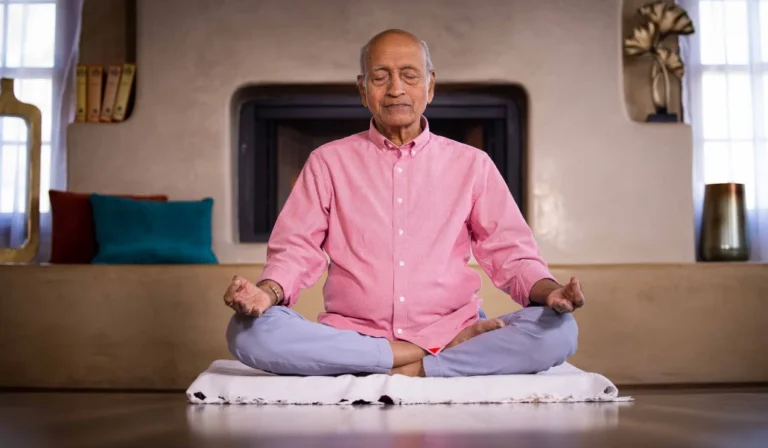
The practice of controlling the breath, known in the yogic tradition as pranayama, is not a new-age trend; it is an ancient discipline dating back thousands of years.
- Ancient Origins: The Vedas and early Upanishads emphasized the breath as the bridge between the physical body and the mind. Sages understood that by regulating the prana (life force), one could achieve mastery over the fluctuations of the mind.
- The 20th Century Integration: In the mid-1900s, breathwork began to enter the Western psychological lexicon, often integrated into clinical settings to treat patients with anxiety and panic disorders.
- The Current Landscape (2026): Today, we are witnessing a "normalization" of these practices. With the rise of wearable biometric technology, individuals can now see the immediate impact of a few minutes of box breathing on their heart rate variability (HRV). This data-driven validation has moved breathwork from the meditation mat to the office chair and the dinner table.
Supporting Data: Why It Works
Recent studies, such as those published in the MDPI Journal of Clinical Medicine, have consistently highlighted the efficacy of diaphragmatic breathing in modulating stress responses. Data suggests that even three minutes of controlled, slow-paced breathing can lead to a significant decrease in subjective feelings of anxiety.
Furthermore, research published in Nature (2026) suggests that the simple act of focusing on the breath functions as a "cognitive anchor." By shifting the brain’s focus from a perceived social threat—such as a critical comment from a relative or a difficult question from a boss—to the internal rhythm of the lungs, the brain’s default mode network (DMN) is quieted. This prevents the "ruminative loop" where anxiety feeds on itself, allowing for a more rational and calm response to the environment.
3 Subtle Breathing Exercises for Any Situation
If you find yourself in a situation where you cannot perform overt yoga or leave the room, these three techniques are designed for maximum discretion.
1. Belly Breathing (Diaphragmatic Focus)
This is the foundational practice. Most of us, when stressed, resort to "chest breathing," which keeps us in a state of high arousal.
- How to do it: Place your hands discreetly on your lap. As you inhale, visualize the breath traveling deep into your abdomen, causing it to expand slightly. Keep your shoulders relaxed and immobile.
- The Benefit: By moving the diaphragm downward, you create more space for oxygen exchange, signaling to your brain that the "danger" has passed.
2. Box Breathing (The Equalizer)
Used by high-performance athletes and military personnel, this technique is excellent for regaining focus in the midst of a noisy or chaotic conversation.
- How to do it: Inhale for a count of four, hold for four, exhale for four, and hold the empty lungs for four.
- The Benefit: The rhythmic structure forces the prefrontal cortex to take over, effectively overriding the emotional centers of the brain that are currently fueling your anxiety.
3. Equal Breathing (The Balancer)
This is the most adaptable of the three. It requires no complex counting if you find yourself struggling to focus on numbers.
- How to do it: Simply match the length of your inhalation to the length of your exhalation. If you inhale for four, exhale for four. If you feel you need more calm, extend both to six.
- The Benefit: This creates a sense of symmetry and equilibrium, helping to dampen the "noise" of a social situation and providing a quiet internal space to retreat to.
Official Perspectives: The Clinical Consensus
Mental health professionals increasingly advocate for "in-the-moment" regulation strategies. Dr. Aris Thorne, a leading researcher in behavioral psychology, notes: "The key to managing modern anxiety is not avoiding the stressors, but changing the way our bodies interpret them. Breathwork provides a physiological intervention that is invisible to others but transformative for the practitioner. It allows the individual to reclaim agency in situations where they might otherwise feel powerless."
Furthermore, corporate wellness programs are beginning to integrate these techniques into leadership training. By teaching executives how to regulate their physiology during high-pressure negotiations, companies are seeing higher levels of emotional intelligence and more thoughtful, less reactive decision-making.
Implications for Daily Life
The beauty of these techniques lies in their invisibility. No one at the dinner table knows you are practicing box breathing; they only see you as a calm, collected participant. This creates a "stealth" advantage: while everyone else is caught up in the stress of the event, you are utilizing a quiet, internal sanctuary to process the environment with clarity.
However, it is important to remember that these techniques are a tool, not a cure-all. If anxiety is persistent and pervasive, breathwork should be used as a complement to, not a replacement for, professional therapy. The goal is to build a "resilience toolkit" that you can carry with you, enabling you to navigate the complexities of human interaction with grace and stability.
As we look toward the future, the integration of mindfulness into our daily social lives is not just a trend—it is a necessary evolution in how we interact with our environment. By mastering the breath, we move from being reactive victims of our circumstances to being active, intentional participants in our own lives. The next time the room feels too loud, the conversation too sharp, or the pressure too high, remember: you are only one breath away from regaining your center.