








As the biotech industry heads into the Thanksgiving holiday, the sector finds itself at a unique crossroads of political uncertainty and regulatory evolution. From the looming influence of Robert F. Kennedy Jr.’s potential oversight of health agencies to the nuts-and-bolts changes in how the FDA handles accelerated approvals, the landscape for pharmaceutical innovation is shifting in real-time. Amidst these macro-level concerns, companies like Cogent Biosciences are navigating the rigorous, high-stakes gauntlet of clinical development and regulatory clearance.
The Political Horizon: RFK Jr. and the “Public” Calendar
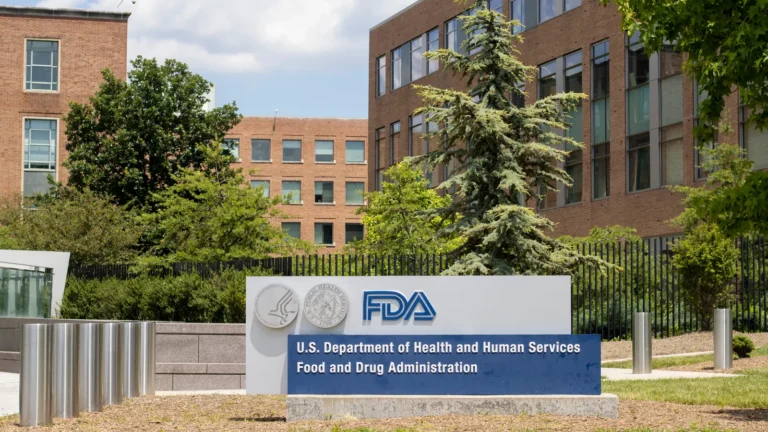
The appointment of Robert F. Kennedy Jr. to lead the Department of Health and Human Services (HHS) has sent tremors through the biopharmaceutical sector. Unlike traditional political appointees, Kennedy has centered much of his career on skepticism toward established medical institutions, the pharmaceutical industry, and the regulatory frameworks that govern them.
Industry analysts are now closely scrutinizing his proposed “public calendar.” While transparency is generally lauded in government, the biotech sector fears that the weaponization of such transparency could be used to facilitate targeted investigations into drug pricing, clinical trial protocols, and the influence of “Big Pharma” on the FDA’s decision-making process.
For investors and CEOs, the concern is less about transparency and more about stability. The market thrives on predictability; if the agency’s leadership shifts from a collaborative stance on innovation to a confrontational, inquiry-heavy posture, the cost of capital for emerging biotechs could rise significantly. Companies are now bracing for a future where their internal communications and clinical data could be subject to intense, highly public scrutiny under a new, more critical lens.
Regulatory Evolution: The Future of Accelerated Approval
A quiet but profound shift is occurring within the FDA regarding the "accelerated approval" pathway. This pathway has long been a lifeline for companies developing treatments for rare diseases and oncology, allowing drugs to reach patients based on surrogate endpoints—indicators that a drug is likely to work, rather than definitive proof of survival.
Recent updates to drug labels and regulatory guidance suggest that the FDA is tightening its oversight of this process. The agency is increasingly demanding more robust post-market confirmation trials. Historically, some companies have languished for years—or even decades—without completing the confirmatory trials required to prove clinical benefit after receiving an initial green light.

The new approach signals a "no more free passes" philosophy. By updating labels to reflect the conditional nature of these approvals more clearly, the FDA is signaling to the industry that the burden of proof is shifting. For firms like Cogent Biosciences and others in the oncology space, this means that securing an initial approval is only the beginning of a long and expensive regulatory lifecycle.
Chronology: The Road to the Cogent-Pfizer Combination
The recent FDA clearance of Cogent Biosciences’ Ekitna (bezuclastinib) represents a tactical victory in the treatment of advanced gastrointestinal stromal tumors (GIST). To understand the significance of this approval, one must look at the timeline of its development:
- Early Development: Cogent identified the potential for bezuclastinib as a potent inhibitor of KIT, a protein that drives many gastrointestinal cancers.
- The Combination Strategy: Recognizing that resistance often develops quickly in GIST patients, researchers pivoted to a combination therapy model, pairing the novel bezuclastinib with Pfizer’s well-established Sutent (sunitinib).
- Clinical Trials: The trial data demonstrated that the combination therapy could overcome resistance mechanisms that had previously rendered Sutent alone less effective.
- The Submission: Cogent filed for regulatory review, navigating the complexities of combining a new molecular entity with a legacy drug—a process that requires careful management of drug-drug interactions and toxicity profiles.
- FDA Clearance: This week’s approval marks a culmination of these efforts, providing a new option for patients who have exhausted standard lines of therapy.
Supporting Data: Why Combination Therapy Matters
The success of the Ekitna-Sutent regimen is rooted in the biology of GIST. Many patients initially respond to tyrosine kinase inhibitors like Sutent, but their tumors inevitably develop secondary mutations, leading to disease progression.
Clinical data submitted to the FDA showed that the addition of bezuclastinib to the existing standard of care significantly improved the "progression-free survival" (PFS) metrics compared to historical controls. By inhibiting the mutated KIT receptors more comprehensively, the combination therapy effectively “locks” the tumor in a state of suppressed growth.
From a commercial perspective, this is a masterclass in lifecycle management. Pfizer’s Sutent, while off-patent, provides a stable backbone for the treatment. By pairing it with a newer, proprietary drug, Cogent has successfully carved out a market niche without having to reinvent the entire wheel of oncological care. This "old-meets-new" approach is increasingly becoming the blueprint for mid-sized biotech firms looking to maximize the efficacy of their drug candidates while minimizing the risk of total failure.
Official Responses and Industry Sentiment
The FDA’s decision to approve the combination has been met with measured optimism. In an official statement, regulators emphasized the importance of combination therapies in the era of precision medicine. "The ability to leverage existing clinical knowledge of established treatments while layering on novel mechanisms of action is a critical tool in the oncology toolkit," said a representative from the agency’s drug evaluation office.

However, the industry remains cautious. The "STAT+ exclusive" nature of the reporting on this approval highlights a broader trend: the information that moves markets is becoming more gated. As regulatory requirements grow more complex, the gap between those who can afford deep, expert-level analysis of FDA policy and those who rely on headlines is widening.
For Cogent Biosciences, the approval is a validation of their R&D platform, but it also places them on a watch list. With the current climate of heightened scrutiny, every adverse event or secondary trial result will be scrutinized by both regulators and the public, particularly if the political winds at the HHS continue to favor aggressive oversight.
Implications: A New Era for Biotech
What do these developments mean for the broader biotech ecosystem?
- The Premium on Precision: Investors are no longer just looking for "a drug that works." They are looking for drugs that work in combination, that have clearly defined patient populations, and that are resilient against the inevitable resistance mechanisms of cancer.
- Regulatory Rigor: Companies that expect a "rubber stamp" approval process for orphan drugs will likely be disappointed. The FDA’s move toward stricter labels and faster confirmatory requirements means that R&D budgets must now include significant provisions for multi-year post-market studies.
- The "Kennedy Factor": The industry is in a wait-and-see mode regarding potential changes to the FDA’s leadership structure. If the new administration shifts the agency toward a more adversarial role, the speed of drug approvals—currently a point of pride for the FDA—could decelerate.
- Strategic Partnerships: The Cogent-Pfizer success story serves as a model. Large pharmaceutical companies have the legacy drugs; smaller biotech firms have the novel inhibitors. Expect to see an increase in licensing agreements and co-development deals as firms look to share the risks and rewards of combination therapy.
As we move into the end of the year, the biotech industry is not just dealing with the science of medicine, but the volatile politics of the federal government. The holiday season may offer a brief respite, but the new year promises to be one of the most transformative in the history of the industry. The firms that survive will be those that can master the dual arts of high-level molecular science and high-level political navigation.
In the case of Cogent Biosciences, the approval of their stomach cancer treatment is a moment to celebrate, but it also serves as a reminder: in the current regulatory environment, the only thing harder than getting a drug approved is proving its long-term value to a public and a government that are increasingly asking, "What comes next?"