







For years, the diagnostic landscape for patients suffering from orthostatic intolerance has been defined by a rigid numerical threshold. If a patient presented with lightheadedness, brain fog, debilitating fatigue, and palpitations upon standing, the medical community’s first question was almost always the same: Does your heart rate increase by at least 30 beats per minute (bpm) within ten minutes of standing?
For those who hit that number, the diagnosis of Postural Orthostatic Tachycardia Syndrome (POTS) provided a gateway to treatment and validation. But for the thousands of patients whose heart rate climbed by 28 bpm—or who experienced profound physiological collapse without the requisite tachycardia—the answer was often a door slammed shut. They were left in a diagnostic limbo, suffering from the same functional impairment as their peers but lacking the clinical label required to unlock insurance coverage, workplace accommodations, and targeted therapies.
A landmark consensus paper published in late 2026 is poised to shatter that threshold. By convening 40 global experts, this study argues that the current "POTS-or-nothing" binary is failing a significant subset of the population, and that clinical recognition must prioritize functional impairment over arbitrary heart-rate cutoffs.
Main Facts: The "Non-POTS" Reality
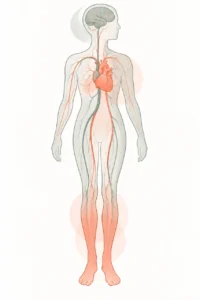
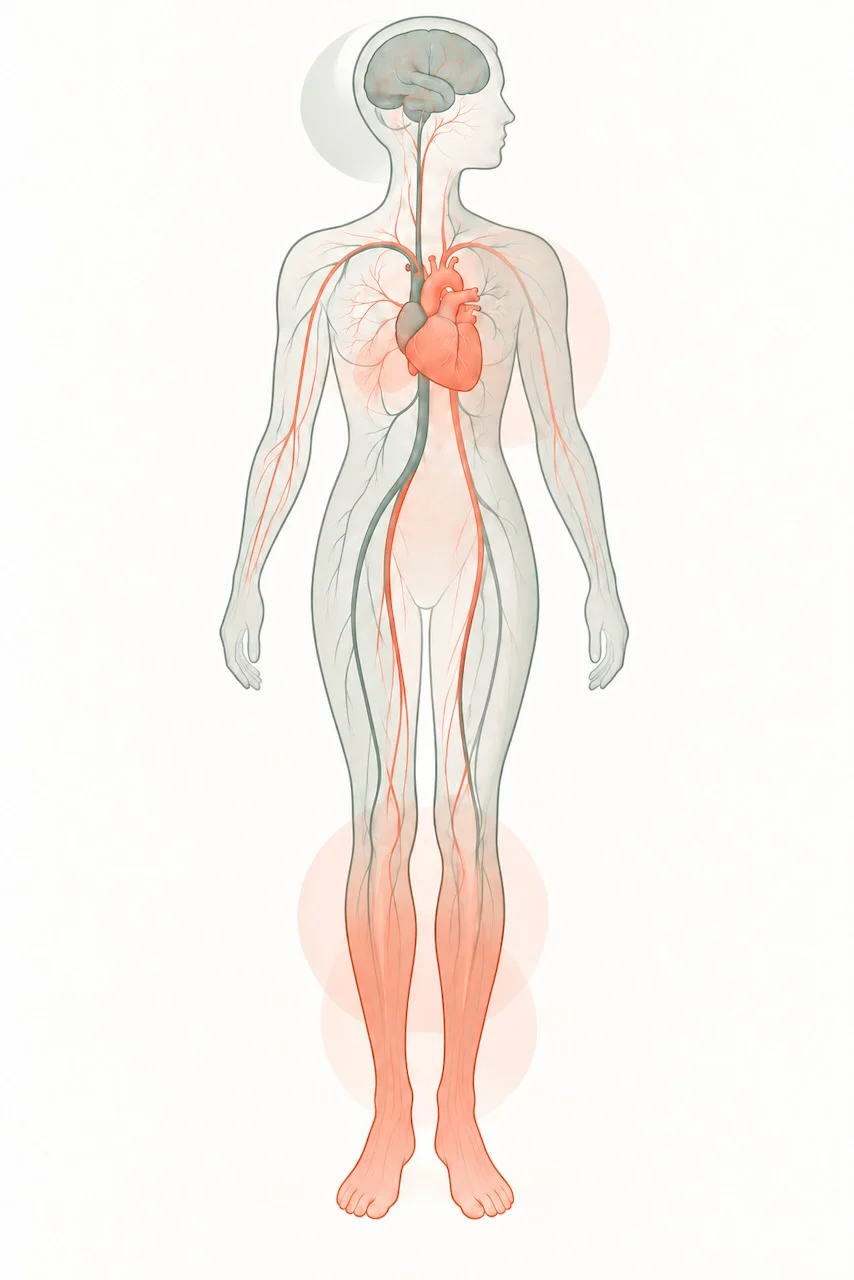
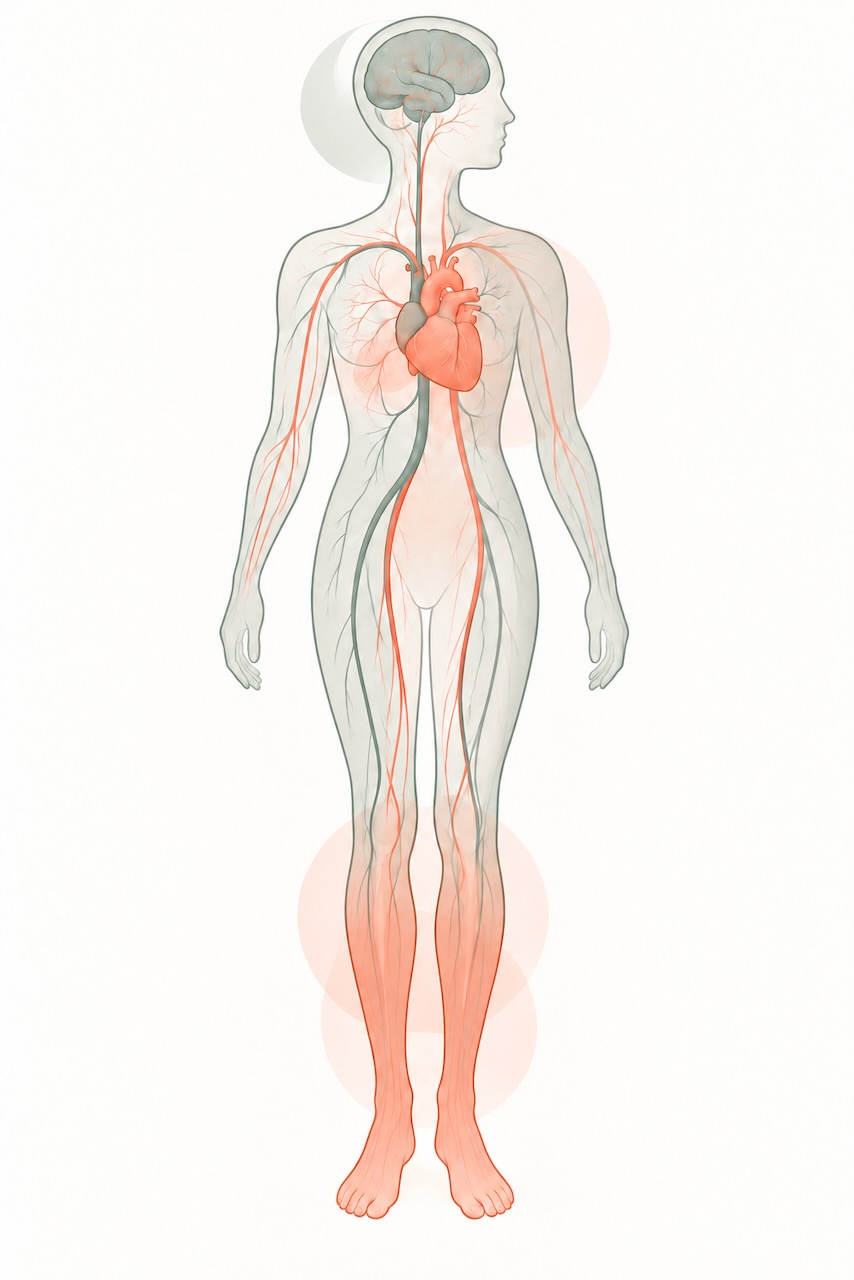
The core of the issue lies in the definition of dysautonomia—a malfunction of the autonomic nervous system. POTS is merely one subtype, defined by specific heart-rate criteria. However, the body of clinical evidence suggests that the symptoms experienced by these patients—reduced cerebral blood flow, preload insufficiency, and low end-tidal CO2—are not exclusive to those who meet the 30-bpm threshold.
When a patient undergoes a tilt table test, the primary goal should be to identify whether the body is failing to maintain homeostasis when upright. Emerging research, including rare but revealing transcranial Doppler imaging, shows that many patients who fail to meet the "POTS cutoff" still experience a massive drop in cerebral blood-flow velocity. In short, their brains are being starved of oxygen, regardless of whether their heart is beating fast enough to satisfy a diagnostic manual.
The recent consensus paper does not suggest discarding the POTS criteria; rather, it highlights the necessity of identifying a group researchers are currently calling "non-POTS dysautonomia." These patients suffer from identical levels of disability, yet they remain systematically excluded from research trials and clinical guidelines.
Chronology of the Consensus
The journey toward this consensus began with a growing frustration among autonomic specialists who observed a clear discrepancy between patient suffering and diagnostic coding.
- Early 2020s: Growing anecdotal reports from autonomic clinics began to highlight a cohort of "POTS-like" patients who were consistently denied care due to "sub-threshold" heart rate responses.
- Mid-2025: A multidisciplinary group of 40 experts from seven countries—including neurologists, cardiologists, and pediatricians—formed to address the "diagnostic gap."
- Late 2026: The panel concluded a rigorous, multi-round voting process on 31 distinct consensus statements, aimed at formalizing the approach to patients who fall outside the POTS umbrella but within the spectrum of dysautonomia.
- October 2026: The official guidance was published, marking the first time such a broad, international coalition has unified to demand better recognition for the "non-POTS" population.
Supporting Data: Why the Experts Agreed
The weight of the consensus is found in the sheer level of agreement among the 40 participating experts. The study utilized a Delphi-like method to ensure that the recommendations were not merely opinions, but reflections of collective clinical expertise.
The data from the vote is striking:
- Unanimous Agreement (100%): All experts agreed that patients with non-POTS dysautonomia experience functional impairment and quality-of-life deficits equivalent to those diagnosed with POTS.
- Validation of Accommodations (100%): The panel reached total consensus that "non-POTS dysautonomia" should be considered a valid clinical basis for workplace and academic accommodations.
- Diagnostic Necessity (95%): Nearly every expert agreed that the presence of clinical features consistent with POTS, regardless of the heart-rate increase, warrants a formal recognition of autonomic dysfunction.
- Broad Consensus: Across all 31 statements presented, no fewer than 90% of the panel agreed on any given point, with 24 out of 31 statements receiving a perfect 100% agreement rate.
This level of scientific alignment is rare in medicine, signaling that the medical community is moving away from a "symptom-tracking" model toward a "physiological-impact" model of care.
Official Responses and Theoretical Shifts
One of the most delicate aspects of this consensus is the terminology. The authors were careful to clarify that "non-POTS dysautonomia" is a working term, not a formal, permanent diagnosis. They explicitly state they do not endorse the term as a final medical classification, as it risks being as restrictive as the one it seeks to replace.
Several alternative naming conventions were proposed by the panel, including:
- POTS Spectrum Disorder: Suggesting that the condition exists on a continuum.
- Orthostatic Cerebral Hypoperfusion Syndrome (OCHOS): Focusing on the root cause—the lack of blood flow to the brain.
- Hypocapnic Cerebral Hypoperfusion (HYCH): Highlighting the respiratory and circulatory mechanics.
- Postural Symptoms without Tachycardia (PoSWoT): A descriptive term that removes the pressure of the heart-rate requirement.
By debating these terms, the experts are acknowledging that the current nomenclature is inadequate. They are effectively signaling to the medical community that the "POTS" label has become a gatekeeper rather than a diagnostic tool, and that it is time for the nomenclature to evolve to reflect the underlying biological reality.
Implications: The Path Forward
The implications of this consensus are profound, touching upon patient advocacy, insurance, and the future of autonomic research.
For the Patient
If you have spent months or years being told that your symptoms "aren’t POTS" and therefore don’t require treatment, the landscape has shifted. You are no longer navigating a void; you have the backing of a global expert consensus. The experts suggest that patients bring the consensus paper to their physicians. If a doctor dismisses symptoms because the heart rate doesn’t rise by 30 bpm, that doctor is now operating against a standard set by 40 international experts who agree that the patient’s functional impairment is real and treatable.
For Clinical Practice
Physicians are encouraged to look at the patient, not the monitor. Even if a patient does not meet the technical definition of tachycardia, treatments such as increased sodium intake, compression garments, physical therapy, and autonomic-modulating medications can be highly effective. The goal is no longer to "find the heart rate increase" but to "alleviate the orthostatic symptoms."
For Research and Advocacy
This consensus provides the necessary framework to apply for grants, secure research funding, and advocate for public health policy changes. By formally acknowledging this subset of patients, the research community can now begin to study biomarkers specifically for this group, moving toward more personalized medicine.
A New Era of Recognition
"Not POTS" should no longer be a final answer; it should be the beginning of a conversation. The 2026 consensus serves as a clarion call to the medical profession: patients deserve care based on their lived experience and physical limitations, not on their ability to trigger a specific sensor on a diagnostic test.
While the formal classification of these disorders will undoubtedly continue to evolve, one thing is now clear: the wall separating "POTS patients" from "non-POTS patients" has begun to crumble. For those who have been left behind by the rigid definitions of the past, this marks the start of a more inclusive, compassionate, and evidence-based approach to the treatment of dysautonomia.
Moving forward, the focus must shift from the numbers on the screen to the quality of the life being lived. If we ignore the patient who is struggling simply because they don’t meet a specific bpm threshold, we are failing the fundamental duty of medicine: to alleviate suffering, regardless of the label.