




By Sree Roy
In the rapidly evolving landscape of dental sleep medicine, the selection and implementation of oral appliance therapy (OAT) for obstructive sleep apnea (OSA) have become increasingly sophisticated. As clinical standards shift and digital workflows become the industry norm, practitioners are tasked with balancing patient comfort, device efficacy, and the logistical demands of modern dental labs.

The November 2026 Peer Pulse survey, which polled dentists who have actively provided oral appliance therapy within the last three years, offers a comprehensive look at the priorities and pain points currently defining the field. The data suggests that while the industry is embracing high-tech solutions, the fundamental challenges of patient compliance and clinical outcomes remain at the forefront of the dental sleep practice.
Main Facts: The Pillars of Appliance Selection
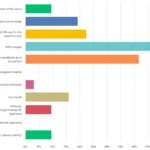
When dentists evaluate the vast array of oral appliances available on the market, their decision-making process is guided by a specific set of clinical and professional priorities. According to the survey, the most critical factor influencing device selection is the caliber of manufacturer and laboratory support, cited by 38% of respondents. This underscores a significant reality in the field: dentists are not merely buying a piece of hardware; they are entering into a service partnership. High-quality support—ranging from technical troubleshooting and custom fitting guidance to reliable shipping timelines—is paramount.

Following support, clinical efficacy and the physical footprint of the device are primary drivers. Dentists are looking for appliances that balance a low-profile, comfortable design with the mechanical force required to effectively stabilize the airway. The data highlights a shift away from bulky, intrusive designs toward sleeker models that improve patient adherence.
Chronology of Industry Shifts
The trajectory of dental sleep medicine over the past several years reflects a broader digital transformation.

- Pre-2022: The field relied heavily on traditional polyvinyl siloxane (PVS) impressions and physical model shipping. This era was characterized by longer lead times and higher rates of shipping errors.
- 2023–2025: The widespread adoption of intraoral scanners began to disrupt the status quo. As chairside digital workflows became more accessible, the industry saw a decline in the use of traditional impression materials.
- 2026 (Present): The current survey data confirms a "digital-first" reality. A combined 81% of dentists now use intraoral scans to submit patient records, with nearly half of these practitioners sending files directly from the scanner platform. This shift has fundamentally changed the relationship between the dental office and the laboratory, allowing for more precise data transfer and faster communication.
Supporting Data: The Anatomy of Practice Trends
The Peer Pulse survey data provides granular insights into the day-to-day operations of modern dental sleep practices.
Managing Side Effects and Patient Comfort
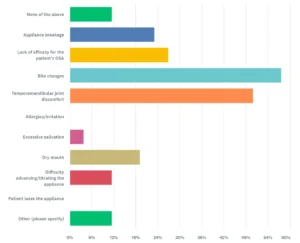
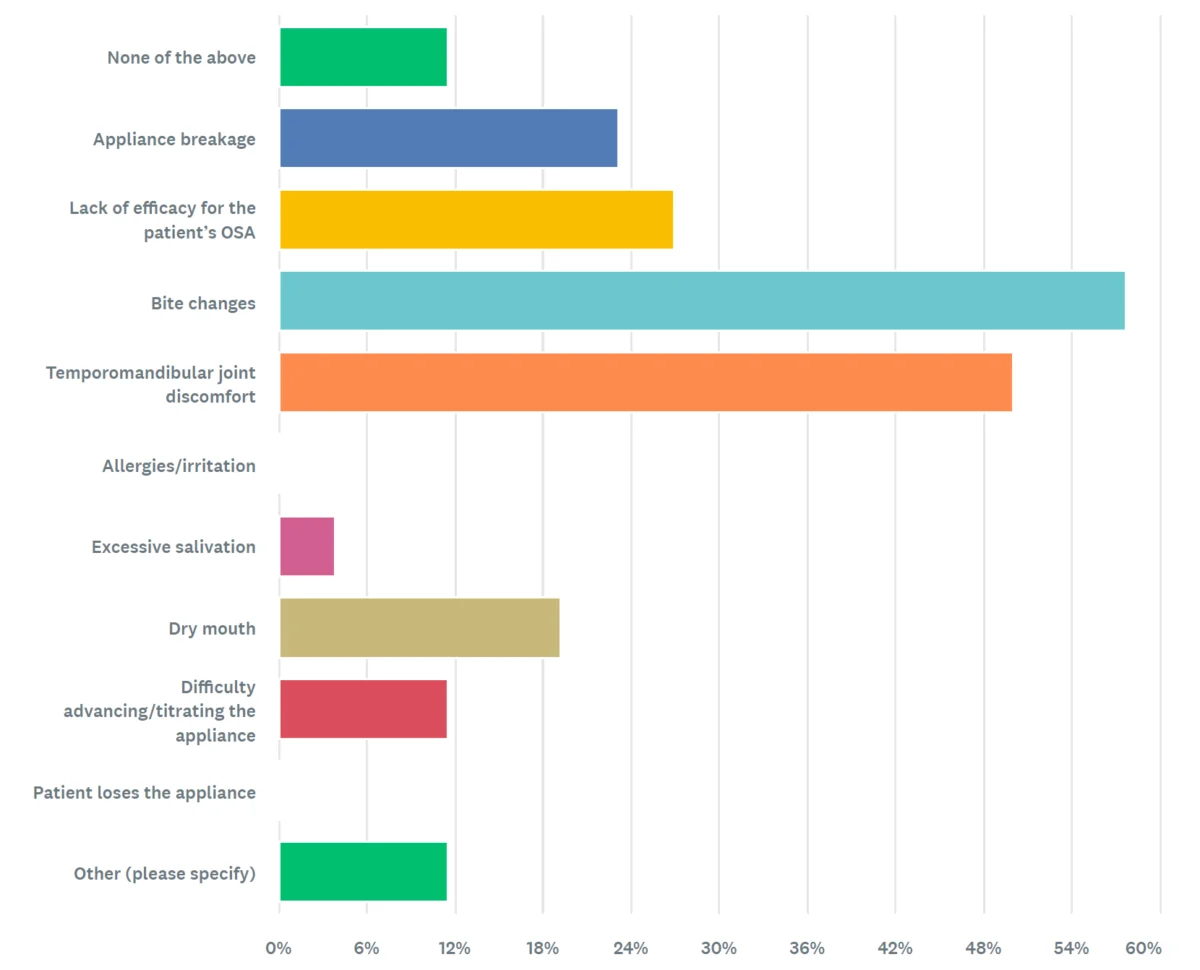
Despite technological advancements, side effects remain the "Achilles’ heel" of OAT. Bite changes (reported by 58% of respondents) and TMJ discomfort (50%) continue to be the most common challenges. These issues are not merely clinical nuisances; they represent significant barriers to long-term patient compliance.

The need for refinement is evident in the frequency of adjustments. While 58% of dentists report that fewer than 10% of their cases require significant modifications, the remaining 42% deal with a non-trivial amount of "remake culture," where fine-tuning is required before a patient can achieve consistent, comfortable wear.
The Digital Workflow Overhaul
The transition to digital is not just a trend—it is a standard of care. With only 12% of dentists still relying solely on physical impressions, the industry has largely pivoted to digital records. This transition has likely contributed to the stability of turnaround times. Interestingly, while dentists appreciate efficiency, speed is not the primary driver for appliance selection; only 4% of respondents prioritized turnaround time as a top factor. Instead, the consensus among practitioners is that a 11- to 14-day turnaround (the preferred window for 46% of respondents) is a sustainable standard that balances quality with patient expectations.

Efficacy Verification
The reliance on home sleep tests (HST) has become the gold standard for verifying appliance efficacy, with 73% of dentists using this method. This reflects a shift toward patient-centric care, where efficacy is measured in the home environment rather than in a clinical lab setting. By moving verification out of the lab and into the patient’s bedroom, dentists are capturing more "real-world" data on how the appliance performs during a full night of sleep.
Official Perspectives and Clinical Implications
The survey results have profound implications for both manufacturers and clinicians. The desire for "next-gen" appliances is clear: 31% of respondents are actively seeking smaller, lighter designs. This demand for minimalism is driven by a desire to minimize the sensory load on the patient, thereby increasing the likelihood that they will wear the device every night.

Furthermore, there is a burgeoning interest in mechanisms of action that move beyond simple mandibular advancement. As one respondent noted, "a better morning repositioner" is a critical unmet need. Many patients suffer from transient bite misalignment in the morning—a side effect that can discourage usage over time. Innovations that allow for a more natural jaw position upon waking are currently the "holy grail" of oral appliance development.
Economic Realities
The financial side of dental sleep medicine is equally complex. The split between medical insurance (54%) and self-pay/cash (42%) suggests that while dental practices are becoming more adept at navigating medical insurance billing, there is still a significant segment of the population choosing to bypass the complexities of insurance claims. The very low utilization of third-party financing (4%) suggests that practices are either absorbing the costs, offering in-house payment plans, or catering to a demographic that pays upfront.

Looking Ahead: The Future of OAT
The implications of this survey for the dental sleep community are threefold:
- Technological Integration: The industry is now defined by its digital workflow. Manufacturers that do not seamlessly integrate with major intraoral scanner platforms will likely find themselves losing market share to those that offer a frictionless "scan-to-fabrication" experience.
- Focus on Patient Experience: The high incidence of bite changes and TMJ discomfort indicates that the next wave of R&D must focus on comfort-centric design. If an appliance is highly effective but causes long-term dental side effects, it is ultimately a failed treatment for the patient.
- The Rise of the "Consultant" Lab: Because 38% of dentists prioritize lab support above all else, dental laboratories can no longer afford to be "silent" fabricators. They must evolve into clinical partners, providing dentists with the expertise to troubleshoot complex cases and navigate the nuances of appliance adjustments.
As we look toward the remainder of 2026 and into 2027, the focus of the field will undoubtedly remain on refining the patient experience. The combination of high-resolution digital scanning and patient-centered, low-profile device design is poised to make oral appliance therapy an even more formidable competitor to traditional CPAP therapy. However, the path to success lies in the details—managing the bite, mitigating joint discomfort, and ensuring that the laboratory-dentist relationship remains strong enough to solve the clinical hurdles that inevitably arise in the treatment of sleep-disordered breathing.

For the modern practitioner, the takeaway is clear: success in dental sleep medicine is no longer just about the device—it is about the ecosystem of support, technology, and clinical follow-up that ensures every patient remains compliant and protected.