









In the complex machinery of the human body, few minerals are as essential—or as potentially dangerous—as phosphorus. While it serves as a fundamental building block for bone health and cellular energy, a new study from the University of Colorado Anschutz School of Medicine suggests that when this mineral accumulates in the bloodstream, it acts as a silent architect of aging. Researchers have now identified a critical protein, TMEM174, that functions as a "brake" on phosphate reabsorption, potentially unlocking a new frontier in the treatment of cardiovascular disease and chronic kidney disease (CKD).
The Silent Threat: How Phosphate Ages the Body
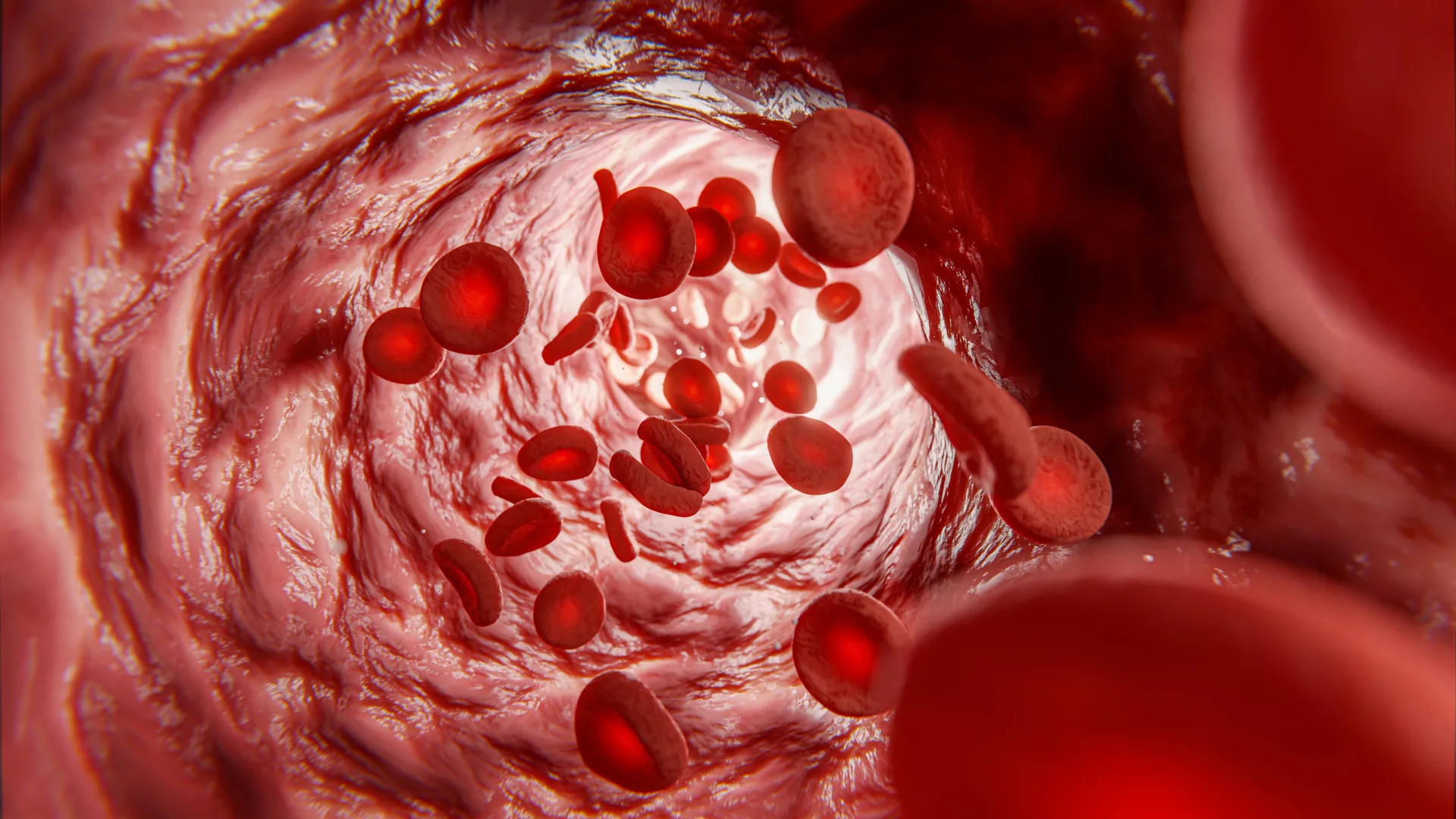
Blood vessels are designed to be dynamic, flexible conduits. Their ability to expand and contract in response to blood pressure is a hallmark of cardiovascular health. However, as humans age, these vessels naturally stiffen. While this is often viewed as an inevitable consequence of time, new research indicates that this process is significantly accelerated by chemical imbalances—specifically, hyperphosphatemia, or the presence of excess phosphate in the blood.
For the general population, maintaining phosphate balance is a routine function of the kidneys. But for the millions of people living with CKD, whose filtration systems are compromised, this balance becomes precarious. The implications are severe: chronic phosphate elevation is a known precursor to cardiovascular disease, systemic calcification, and premature mortality.
A Breakthrough in Molecular Regulation
In a study published in October 2026, researchers at the University of Colorado Anschutz School of Medicine unveiled the role of the protein TMEM174. To understand its importance, one must look at how the kidneys handle phosphorus. Under normal conditions, the kidneys filter phosphate from the blood; to prevent the loss of this vital nutrient, a protein known as NPT2A reabsorbs roughly 75% of that filtered phosphate, returning it to the circulation.
The research team, led by Dr. Makoto Miyazaki, discovered that TMEM174 acts as a critical regulator of this recycling loop. By binding to NPT2A, TMEM174 effectively destabilizes the reabsorption process, preventing the body from hoarding excess phosphate. When TMEM174 is absent or insufficient, this regulatory "brake" fails, leading to an over-accumulation of phosphate in the blood, which then triggers a cascade of damage.
The Chronology of Discovery
The path to identifying TMEM174 was not straightforward. For over a century, the scientific community has studied phosphate homeostasis, often focusing on hormones like parathyroid hormone and FGF23. The discovery of a specific protein acting as a gatekeeper in the kidney is a rare development in a field that has been extensively mapped for decades.
- Pre-2020s: Existing research established a clear correlation between hyperphosphatemia and vascular calcification, noting that smooth muscle cells in blood vessel walls begin to mimic bone cells when exposed to high phosphate concentrations.
- Early 2026: Dr. Miyazaki’s team began focusing on the molecular interactions between NPT2A and auxiliary proteins in the renal tubules.
- October 2026: The study results were published, confirming that in animal models, a deficiency in TMEM174 directly resulted in accelerated vascular stiffening and significantly reduced lifespans.
- Ongoing: Future research is currently pivoting toward how this mechanism can be manipulated pharmacologically to assist patients with impaired renal function.
The Biological Mechanism: When Blood Vessels Turn to Bone
The damage caused by excess phosphate is not merely a chemical imbalance; it is a profound biological transformation. When phosphate levels remain persistently high, the smooth muscle cells lining the blood vessels undergo a process known as phenotypic switching.
Instead of maintaining their contractile, flexible nature, these cells begin to express genes typically reserved for bone-forming cells. They begin to deposit calcium phosphate crystals within the vessel walls—the same material that constitutes the mineral matrix of human bone. This process, known as vascular calcification, turns flexible arteries into rigid, brittle pipes. As the vessels lose their elasticity, the heart must work harder to pump blood, leading to hypertension, heart failure, and an increased risk of stroke.
Supporting Data: The Impact of Diet and Genetics
The research highlights a significant distinction between organic phosphate found in whole foods and the inorganic phosphate additives pervasive in modern diets.
The Additive Problem
While phosphorus is found in meat, poultry, dairy, and legumes, these natural sources are processed differently by the body. Conversely, phosphate additives used in processed foods—sodas, deli meats, and fast foods—are absorbed with extreme efficiency. In the context of a person with CKD, whose kidneys are already struggling, these additives act as a "phosphate bomb," overwhelming the body’s regulatory systems.
The Genetic Variable
The study notes that while CKD is the primary driver of phosphate accumulation, the deficiency of the TMEM174 protein is largely a genetic trait. This creates a "double-hit" scenario: a patient with CKD who also carries a genetic deficiency in TMEM174 will experience significantly more aggressive vascular damage than a patient with CKD alone. This identifies a sub-population of patients who may require much more aggressive dietary and medical interventions.
Official Perspectives and Expert Insight
Dr. Makoto Miyazaki, a research professor in the Division of Renal Diseases and Hypertension, frames the discovery in stark terms. "Phosphate is really underestimated in terms of longevity in all mammals," he states. "The higher the concentration of phosphate in the blood, the shorter the lifespan."
Dr. Miyazaki emphasizes that the discovery of TMEM174 is a landmark moment in renal physiology. "Scientists have been studying phosphate homeostasis for over 100 years, so to still find a new protein that regulates phosphate is kind of unique," he adds. His team’s work suggests that by modulating this protein, clinicians may one day be able to "trick" the kidney into excreting more phosphate, effectively lowering the serum levels that drive vascular aging.
Implications for Future Therapy
The implications for the medical community are vast. Currently, managing phosphate in CKD patients relies heavily on dietary restrictions and phosphate binders—medications that must be taken with every meal to prevent absorption. While helpful, these treatments are often burdensome and insufficient for patients with advanced disease.
1. Pharmacological Innovation
The identification of TMEM174 provides a precise target for drug development. If a therapeutic agent can be designed to mimic or enhance the action of TMEM174, it could theoretically force the kidneys to excrete excess phosphate more efficiently, independent of dietary intake.
2. Personalized Medicine
Understanding the genetic influence of TMEM174 levels could allow for genetic screening in CKD patients. Those found to have lower levels of the protein could be identified early as "high-risk" and prioritized for more intensive monitoring and specialized dietary protocols.
3. Redefining Dietary Guidelines
While diet remains a challenge—as phosphate is ubiquitous in the food supply—the research provides a clearer scientific rationale for avoiding processed foods. It underscores that for those with renal impairment, the chemical form of phosphorus matters as much as the total amount.
Conclusion: A New Horizon for Vascular Health
The discovery of TMEM174 serves as a vital reminder that the "inevitable" aging of our cardiovascular system is, at least in part, a biochemical process that we are only beginning to master. By uncovering how the body maintains its chemical balance, Dr. Miyazaki and his colleagues have provided a roadmap for potentially extending the healthspan of those most vulnerable to kidney-related complications.
While the leap from animal models to human clinical trials remains the next great hurdle, the identification of this "hidden" protein offers a tangible target for future medicine. As researchers continue to untangle the complex interactions between proteins, hormones, and mineral metabolism, the hope is that we move closer to a future where vascular calcification is not an accepted reality of aging, but a manageable condition.
For the millions of individuals navigating the challenges of chronic kidney disease, this research is more than a technical advancement—it is a beacon of progress toward a longer, healthier life.