







As the final days of September fade, the formal observance of Pain Awareness Month draws to a close. For the general public, the calendar moves on; however, for more than 60 million Americans—roughly one in five adults—the conclusion of a month-long awareness campaign does not signal a shift in reality. Chronic pain is a 365-day-a-year endurance test, a persistent, often invisible companion that demands resilience, innovation, and a robust support structure.
While the awareness campaign has successfully highlighted the diversity of this community—spanning all ages, countless diagnoses, and millions of unique life stories—the core challenge remains: how do those living in constant discomfort find the strength to navigate tomorrow? To understand this, we must look beyond the clinical definitions and medical charts to the human experience of those who live at the intersection of suffering and survival.
The Anatomy of a 365-Day Reality: Supporting the Millions
Chronic pain is rarely just a physical ailment; it is a systemic challenge that permeates every facet of a person’s life, from professional stability to personal relationships. According to the Centers for Disease Control and Prevention (CDC), high-impact chronic pain—pain that frequently limits life or work activities—is significantly associated with higher rates of depression, anxiety, and social isolation.
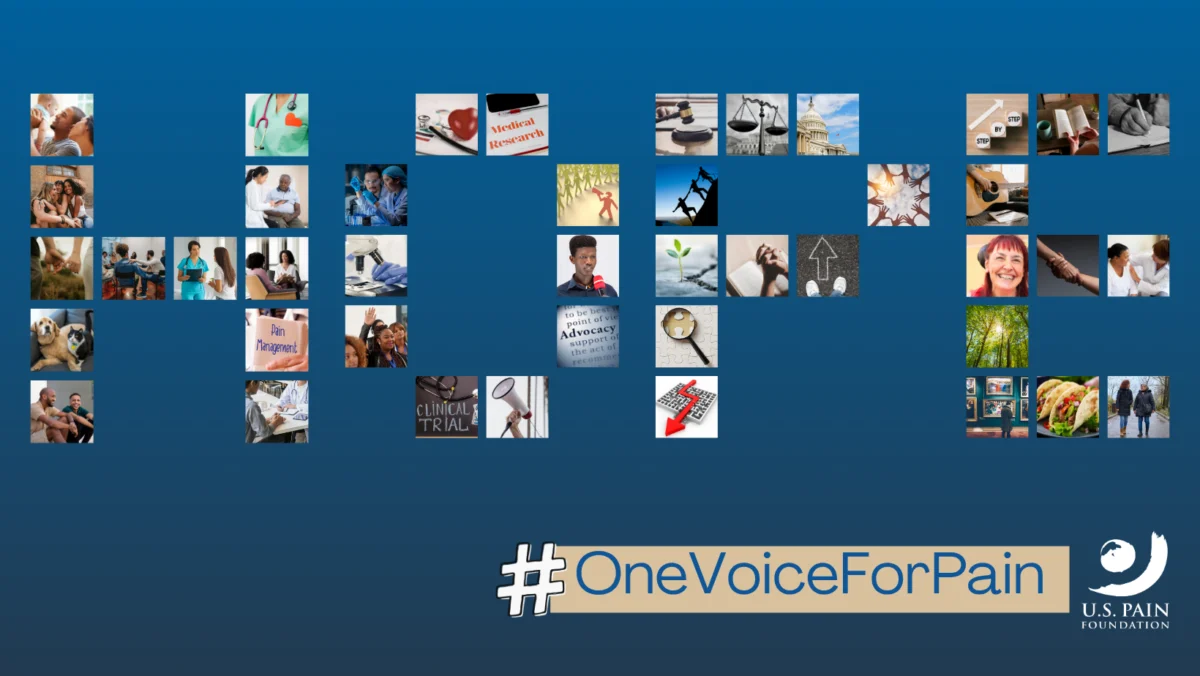
Throughout September, the #OneVoiceForPain movement facilitated a dialogue among those most affected. When asked the fundamental question, "What keeps you moving forward?", the responses revealed a complex tapestry of coping mechanisms. These ranged from the profound support of inner circles to the stubborn, quiet determination of the individual.
1. The Power of Human Connection: Anchors in the Storm
For many, the primary catalyst for persistence is the presence of a "support village." This includes family, friends, and pets, but it also extends to the vital camaraderie found among fellow patients who share the same lived experience.
- The Shared Burden: Peer-to-peer support is often described as a lifeline. As Niki, 54, noted, "I have some good friends who also have serious chronic illnesses who fight the good fight every day… that has taught me a lot about how to live with what I have."
- The Role of Companionship: The inclusion of pets in these testimonials is not incidental. The unconditional support of "fur babies" provides a grounding, non-judgmental presence that is crucial when human interactions become emotionally taxing.
- Finding "Glimmers": For parents living with chronic pain, children often serve as the ultimate motivator. Kari, 37, describes seeking "tiny glimmers of a typical child" to provide hope. When she observes her child lost in play, the temporal distraction from her own physical state offers a rare, necessary respite.
2. The Critical Need for Clinical Validation
The journey to a diagnosis or an effective management plan is often fraught with medical gaslighting and systemic frustration. When a patient finally encounters a provider who listens, the impact is transformative.
- Mental Health as a Pillar: Erica, 45, emphasizes that her therapist helps her reframe her goals. By focusing on "modifications" rather than limitations, she maintains a sense of agency that chronic pain often tries to strip away.
- The Compassion Gap: Bobbie, 42, highlights the stark contrast between medical staff who dismiss pain and those who exhibit compassion. This "compassion gap" remains a significant barrier to quality care in the United States, suggesting that healthcare training must prioritize patient validation alongside clinical intervention.
3. The Horizon of Innovation: Research and Treatment
While many patients struggle with current limitations, the promise of scientific advancement serves as a beacon. The landscape of pain management is shifting from a "one-size-fits-all" opioid-centric approach to more nuanced, multidisciplinary models.
- The Evolution of Understanding: Debbie, 68, notes that fibromyalgia is far better understood today than it was nearly two decades ago. This normalization of invisible illness is a byproduct of decades of sustained advocacy and research.
- Technological Optimism: Katie, 58, points to the rise of new medications and bioelectronic devices as tangible reasons for hope. The integration of neurostimulation and regenerative medicine represents a frontier that, while still developing, offers hope to those who have exhausted traditional pharmaceutical options.
4. Advocacy as a Catalyst for Purpose
For many, the pain itself becomes the motivation for systemic change. By transforming personal suffering into public advocacy, patients reclaim a sense of agency.
- Making Sense of Suffering: Sammie, 31, describes advocacy as an essential process to "make sense of what happened to me." This psychological transformation—turning trauma into a mission—is a powerful tool for mental health maintenance.
- Reframing Meaning: Samantha, 43, notes that her life may not look like she once imagined, but her role as an advocate allows her to find meaning within her new reality. This pivot from "recovering the past" to "defining the future" is a cornerstone of effective long-term pain management.
5. The Internal Drive: Determination and Resilience
There is an undeniable grit required to manage chronic pain. Whether derived from faith, the refusal to surrender, or simple curiosity about what the next day might bring, the internal drive is often the final line of defense.
- The "I Don’t Know How to Give Up" Mentality: Beverly, 84, encapsulates the quiet power of persistence: "I seem to always believe maybe this or that will work. I do not know how to give up."
- Faith as a Structural Support: For many, including Linda, 64, faith provides a framework for interpreting pain. It allows for the integration of suffering into a narrative of purpose rather than a narrative of meaningless loss.
6. Creativity and the Significance of Small Wins
When the trajectory of chronic pain is unpredictable, focusing on large-scale milestones can be counterproductive. Instead, the community highlights the importance of "small wins."
- Distraction as Medicine: Max, 24, and Traci, 49, use creativity—hobbies and songwriting—to displace the focus from physical sensation. These activities serve as a form of active mindfulness, grounding the individual in the present moment.
- Celebrating the "Better Day": For those with chronic conditions, a "good day" is not defined by being pain-free, but by being manageable. Recognizing these days as successes is a vital mental health strategy.
7. When Hope Feels Extinguished: The Reality of Despair
To speak only of hope is to ignore the reality of thousands for whom the burden is currently too heavy. The candid responses of those like Mary, 70, and Bill, 66—who expressed that hope felt out of reach—must serve as a wake-up call to policymakers and medical boards.
When a patient says "nothing gives me hope," it is a direct indictment of a system that has failed to provide relief, support, or dignity. Acknowledging this despair is not an act of negativity; it is an act of honesty. It underscores the urgent need for better mental health integration, more robust pain clinics, and a societal shift that stops viewing pain as a character flaw and starts viewing it as a public health priority.
Implications for the Future: Carrying the Movement Forward
As we transition out of Pain Awareness Month, the #OneVoiceForPain movement faces a critical juncture. The data is clear: the patient experience is multifaceted. There is no singular solution, but there is a singular need for a more integrated, compassionate, and research-driven healthcare environment.
Key Takeaways for Stakeholders:
- Policy Reform: We must advocate for policies that ensure access to multidisciplinary care, including physical therapy, psychological support, and innovative pain-relief technologies.
- Medical Education: Improving the training of clinicians to prioritize patient testimony and validate invisible pain is essential to reducing the trauma associated with seeking care.
- Community Building: Supporting organizations that facilitate peer connection can mitigate the isolation that often accompanies chronic illness.
- Investing in Research: Increased funding for the study of chronic pain mechanisms is necessary to move from symptom management to actual disease modification.
The stories collected this month are not merely individual anecdotes; they are a collective testimony. They prove that while pain is a thief of time, energy, and comfort, it is not a thief of humanity. By continuing to listen, learn, and advocate, we can move closer to a future where those living with chronic pain are not just surviving, but thriving—supported by a society that recognizes their pain and validates their right to a meaningful life.
The month may end, but the work of changing the narrative around pain has only just begun. Together, we can continue to #ChangePain.