






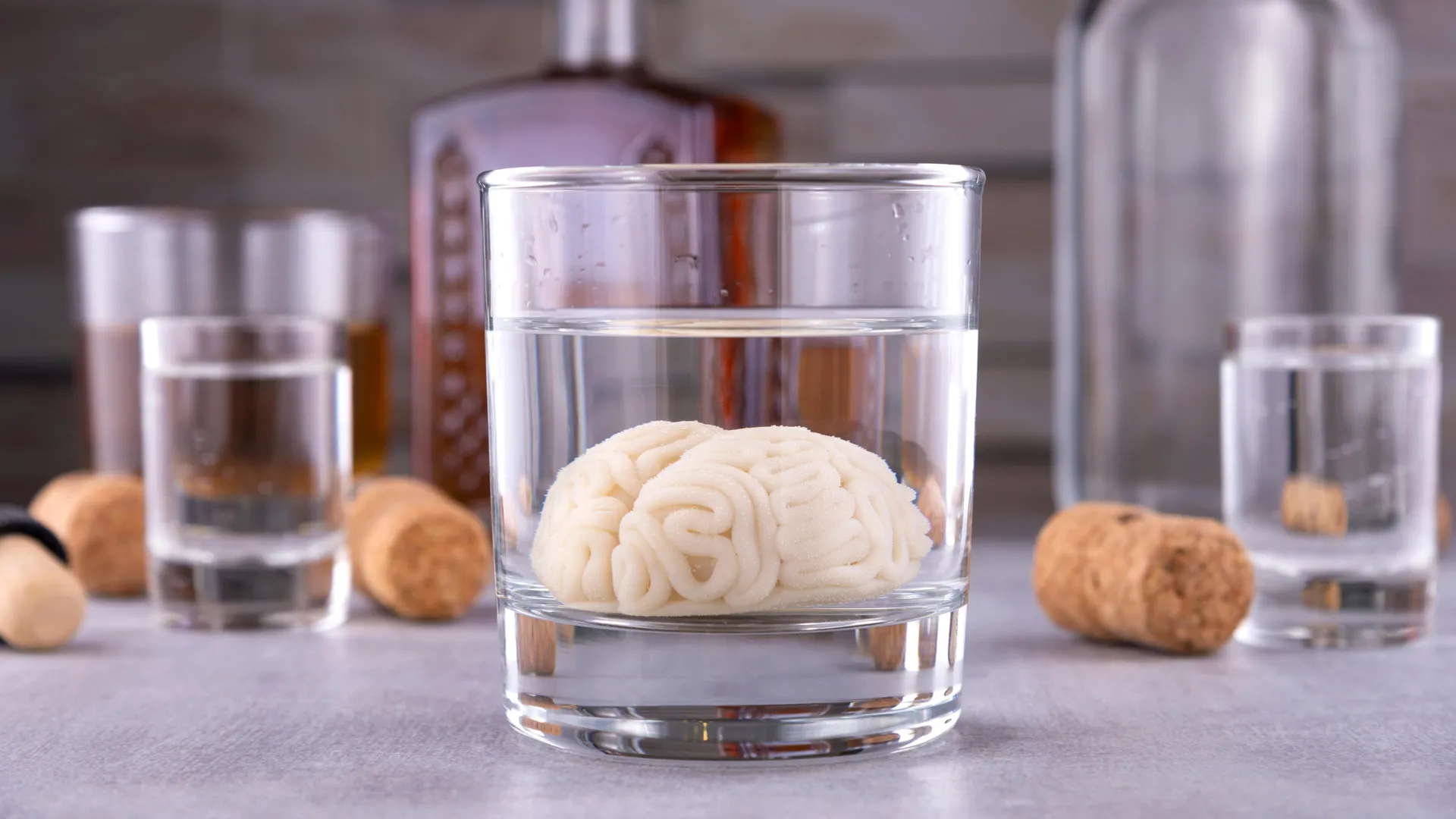
For millions of Americans, the journey toward recovery from alcohol use disorder (AUD) is a grueling path marked by the persistent struggle against relapse. While societal initiatives like "Dry January" highlight the immediate physiological benefits of sobriety, addiction researchers have long grappled with a paradoxical observation: the very act of forced abstinence may, in some cases, rewire the brain in ways that paradoxically heighten the risk of returning to heavy consumption.
New research from a team of neuroscientists offers a compelling, albeit sobering, explanation for this phenomenon. By studying mouse models of voluntary and forced abstinence, researchers have identified a specific brain region—the bed nucleus of the stria terminalis (BNST)—that appears to act as a "relapse trigger" during periods of sobriety. These findings suggest that the struggle to stay sober is not merely a failure of willpower, but a tangible, biological challenge encoded within the brain’s architecture.
The Science of Aversion-Resistance: A New Paradigm for Relapse
To investigate the mechanisms driving relapse, researchers conducted an experiment involving long-term voluntary access to alcohol followed by a period of forced abstinence. The goal was to observe how the brains of these subjects adapted to the sudden removal and subsequent reintroduction of alcohol.
The results were striking. A subset of the mice exhibited "aversion-resistant alcohol intake." When researchers introduced quinine—a substance that makes liquids taste intensely bitter—to the alcohol, these mice continued to consume it, even in larger quantities than their counterparts who had not experienced forced abstinence. This behavior suggests that the period of abstinence fundamentally altered the mice’s reward-seeking circuitry, driving them to prioritize alcohol consumption despite the introduction of a clear, aversive deterrent.
This "aversion-resistance" is a hallmark of severe addiction. It implies that the drive to drink transcends the pleasure of the substance, morphing into a compulsive behavior that persists even when the experience becomes unpleasant. For clinicians, this underscores a critical reality: the biological drive for alcohol during recovery can become so profound that it overrides the natural instinct to avoid bitter or harmful stimuli.
The BNST: The Brain’s Relapse Switch
Central to this discovery is the bed nucleus of the stria terminalis (BNST). Long implicated in the regulation of anxiety and depression, the BNST has now emerged as a potential master regulator of relapse-related behaviors.
In the study, researchers monitored the activity of neurons within the BNST as abstinent mice reentered environments previously associated with alcohol. Even when presented with water instead of alcohol, the mice displayed intense, compulsive attempts to access the spout. Most notably, the mice that had developed the highest level of aversion-resistant drinking showed more than double the neural activity in the BNST compared to control groups.
Perhaps most significantly, this hyper-activity was observed before the mice were even given access to the bitter alcohol. This indicates that the BNST is not merely reacting to the stimulus, but is actively predicting and priming the brain for the consumption of alcohol. This "predictive firing" could potentially serve as a biological biomarker, offering a way to identify, at a neurobiological level, which individuals are at the highest risk of relapse before they even take their first drink.
The Public Health Crisis: A Silent Epidemic
The urgency of this research cannot be overstated. Alcohol misuse remains one of the most pervasive and under-addressed public health crises in the United States. While the dangers of opioids have dominated headlines, alcohol-related mortality is staggering; in 2024, deaths associated with alcohol use were 4.5 times higher than those attributed to opioids.
Despite these grim statistics, public perception of alcohol remains alarmingly cavalier. Over 80% of Americans aged 12 and older consume alcohol at some point in their lives, and approximately 10% of the population—nearly 30 million people—will struggle with alcohol use disorder. Since 1999, the number of individuals diagnosed with AUD in the United States has effectively doubled, yet the tools available to clinicians for predicting individual risk remain primitive.
While the Food and Drug Administration (FDA) has approved several treatments for AUD, they are often used as a blunt instrument, applied to a diverse population without the precision offered by modern neuroscience. The disconnect between the high rate of diagnosis and the lack of personalized, predictive treatment strategies is a chasm that modern medicine must bridge.
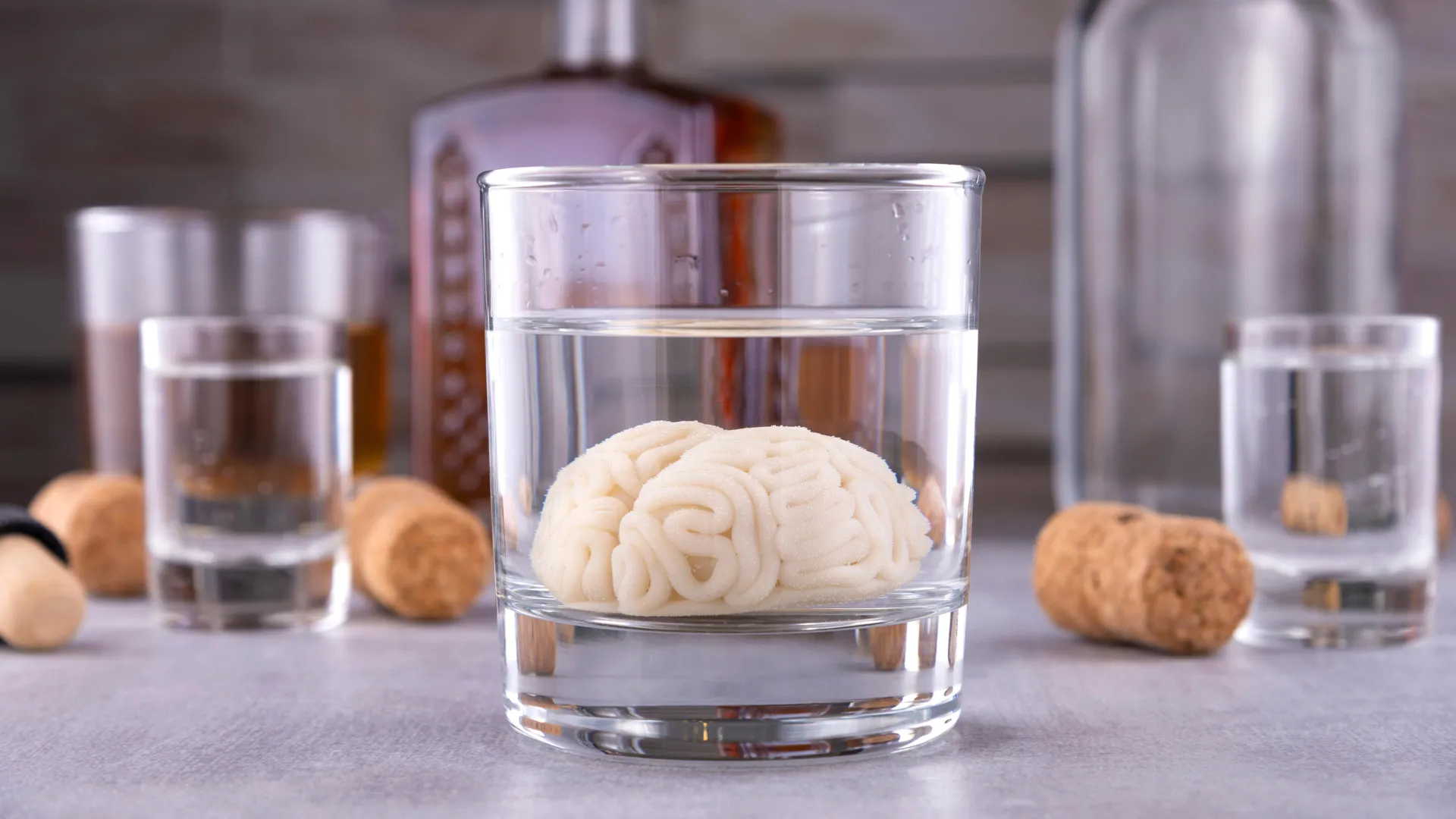
Chronology of Recovery: A Biological Perspective
To understand why this research is a turning point, we must look at the traditional timeline of recovery:
- The Active Consumption Phase: Long-term, voluntary access to alcohol creates a dependence that alters brain structure, specifically within the stress-response systems like the BNST.
- The Forced Abstinence Phase: When alcohol is removed, the brain does not simply "reset." Instead, it undergoes compensatory changes. The BNST, in particular, may become hyper-reactive, increasing the individual’s baseline stress and anxiety.
- The Trigger Event: Exposure to cues—a bar, a party, or a specific social setting—activates the hyper-sensitive BNST.
- The Relapse: The activated BNST triggers a compulsion that overrides rational decision-making, leading to a return to heavy drinking, even if the individual intended to abstain.
This chronology suggests that the "abstinence period" is not just a time of healing, but a high-risk window where the brain is actively recalibrating, often in ways that are counterproductive to long-term sobriety.
Implications for Future Clinical Practice
The ability to screen for BNST activity could revolutionize the treatment landscape. If researchers can validate these findings in human trials, it would represent a seismic shift from reactive to proactive addiction medicine.
Developing Predictive Screening
By utilizing neuroimaging tools, clinicians might one day be able to assess a patient’s BNST activity during early abstinence. Those exhibiting high-intensity neural signatures could be prioritized for intensive, specialized therapies or specific pharmacological interventions designed to dampen BNST hyperactivity.
Refining Pharmacological Targets
Currently, many AUD medications focus on blocking the "pleasure" of alcohol. However, if the root of the problem in abstinent patients is a stress-related, compulsion-driven signal from the BNST, researchers may need to pivot toward drugs that specifically modulate the signaling within this region.
The Role of Behavioral Therapy
Behavioral interventions, such as Cognitive Behavioral Therapy (CBT), could also be tailored to address the specific anxiety-driven impulses originating from the BNST. By teaching patients to recognize the physiological signs of this brain-based "trigger," clinicians could empower them to use coping mechanisms before the impulse to drink becomes overwhelming.
Challenges and Future Frontiers
Despite the optimism surrounding these findings, significant questions remain. Scientists are still working to map the exact population of neurons within the BNST responsible for this activity. Are they excitatory or inhibitory? Do they interact with other regions of the brain, such as the amygdala or the prefrontal cortex, to drive the final decision to drink?
Furthermore, the variability between individuals is immense. Not every person who suffers from AUD will show the same pattern of BNST activation, and environmental factors—trauma, genetics, and socioeconomic status—play a massive role in shaping how the brain responds to abstinence.
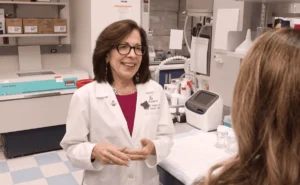
The next stage of this research is already underway. Dr. Jennifer Blackford and her team are currently investigating BNST activity in human patients who are in the early stages of sobriety. Their work will be the definitive test: if the findings from the mouse models translate to human patients, we will have a new, objective tool to tackle a disease that has long been shrouded in subjective shame and failed willpower.
Conclusion
The study of the BNST represents a departure from the "moral failing" model of addiction toward a robust, neurobiological understanding of why the brain fights so hard against sobriety. By acknowledging the bodily challenges associated with abstinence, we can move toward a more compassionate and effective model of care.
As we move forward, the integration of advanced neuroscience into clinical addiction medicine is not merely an academic endeavor; it is a necessity for the millions of people who find themselves trapped in the cycle of relapse. By mapping the brain’s internal triggers, we are finally beginning to chart a clearer, more predictable path to recovery.