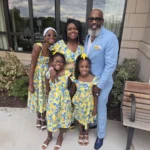





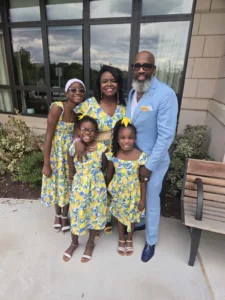



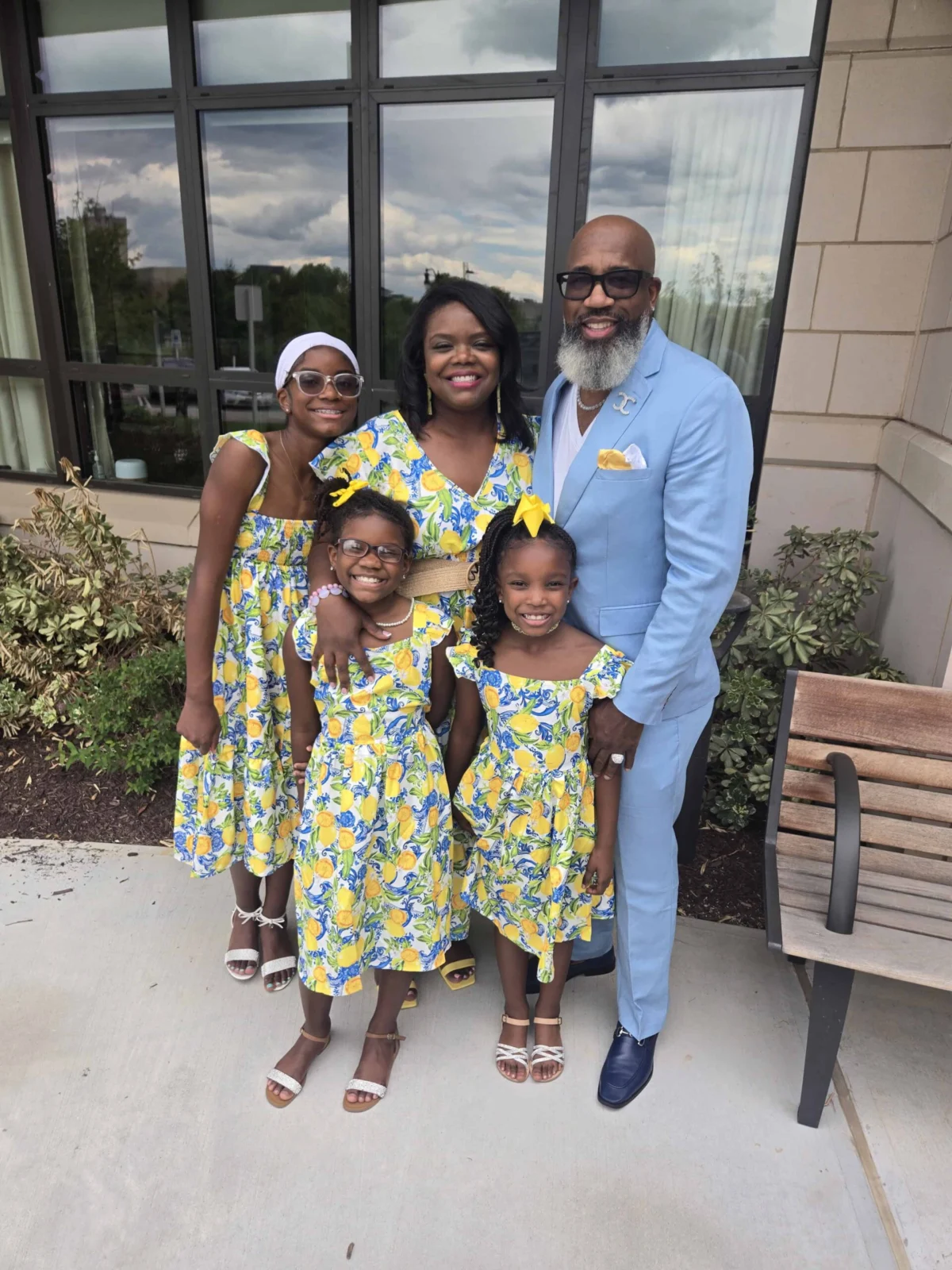
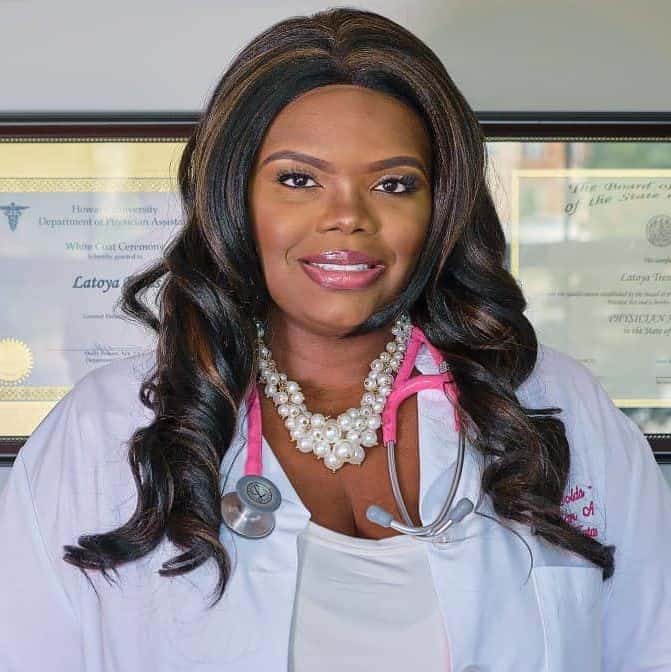
For many, Breast Cancer Awareness Month is a time for pink ribbons and public awareness campaigns. But for LaToya Bolds-Johnson, it represents a profound intersection of personal survival and professional transformation. A physician assistant (PA) who spent years caring for others, Bolds-Johnson found her life irrevocably altered at age 36 when she received a diagnosis of stage 3 triple-negative breast cancer (TNBC).
Her journey—from the shock of a diagnosis while raising three young daughters to navigating the complexities of immunotherapy and clinical trials—now serves as a blueprint for patient advocacy. By choosing to participate in a clinical trial, Bolds-Johnson did more than fight for her own life; she contributed to a global body of medical knowledge, effectively building what she calls a "medical trust fund" for her children and future generations.
The Reality of a Complex Diagnosis
Breast cancer is not a singular entity. It is a diverse collection of diseases, each characterized by distinct biological markers. While the American Cancer Society estimates that over 321,000 new cases of invasive breast cancer will be diagnosed in the United States in 2026, the treatment path for each patient is highly individualized.
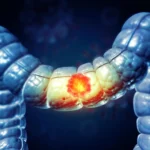
Tumors are classified based on the presence or absence of specific proteins. Hormone receptor-positive cancers rely on estrogen or progesterone for growth, while HER2-positive cancers are driven by the overexpression of the HER2 protein. Bolds-Johnson, however, faced TNBC—a subtype that lacks all three of these common receptors. Because TNBC does not respond to hormonal therapies or drugs that target HER2, it is often more aggressive and prone to rapid progression, necessitating more intensive treatment strategies.

Understanding these biological nuances is the first step toward effective patient advocacy. Biomarker and genetic testing have become the gold standard in oncology, allowing clinicians to tailor treatment to the specific molecular profile of a patient’s tumor. For many with TNBC, this has opened the door to the burgeoning field of immunotherapy—treatments that empower the body’s own immune system to identify and destroy cancer cells.
A Chronology of Advocacy and Discovery
The trajectory of Bolds-Johnson’s experience illustrates the critical role that clinical research plays in modern oncology.
- July 2021: Bolds-Johnson is diagnosed with stage 3 TNBC at age 36. As a medical professional, she immediately begins to dissect her options, shifting from a provider of care to a recipient of it.
- Treatment Phase: Over the following months, she undergoes rigorous conventional therapy, eventually electing to enroll in an immunotherapy-based clinical trial. This decision is driven by a desire to access the most cutting-edge science available.
- April 2023: Bolds-Johnson completes her treatment. While she is in recovery, she emphasizes that the "cancer journey" does not end with the cessation of therapy. The psychological and physical residual effects of the disease necessitate long-term care and mental health support.
- Post-Treatment Era: Following her recovery, Bolds-Johnson transitions into a new professional chapter. She resumes her doctoral studies and accepts a position as a clinical research sub-investigator. She also pens a children’s book, When Life Gives You Lemons, Make Pink Lemonade, to help her daughters process the experience.
Today, she works on the other side of the stethoscope. By participating in clinical research as both a patient and now a professional, she has helped bridge the gap between abstract science and the lived experience of the patient.
The Vital Role of Clinical Trials
Clinical trials are often misunderstood as a "last resort" for patients who have exhausted all other options. This misconception can prevent patients from accessing life-saving interventions early in their treatment. In reality, clinical trials are the engine of medical progress. They are strictly regulated, monitored research studies designed to determine if new therapies are safe, effective, and superior to current standard-of-care protocols.
Researchers are currently evaluating a massive array of immune-based approaches for breast cancer. These include:
- Checkpoint Inhibitors: Drugs that "release the brakes" on the immune system, allowing T-cells to attack tumors.
- Therapeutic Cancer Vaccines: Treatments designed to prime the immune system to recognize specific cancer antigens.
- Cell and Gene Therapies: Engineering immune cells to be more effective at tumor detection and destruction.
- Combination Therapies: Integrating immunotherapy with traditional chemotherapy, radiation, or antibody-drug conjugates to create a multi-pronged attack on the malignancy.
Implications: Building a Legacy of Knowledge
Bolds-Johnson’s decision to join a trial was driven by a maternal instinct to secure a safer future for her daughters. "My whole mission with being the clinical trial participant is that I wanted to make sure that I was building a medical trust fund for my children," she explains. She views her participation as an investment—a way to ensure that if her family members ever face a similar diagnosis, the medical community will have the data necessary to provide effective, personalized care.
This "medical trust fund" concept has profound implications for health equity. Clinical research has historically struggled with a lack of diversity in its participant pools. By including people from various racial, ethnic, and socio-economic backgrounds, researchers can gain a holistic understanding of how different bodies respond to treatment. Bolds-Johnson’s advocacy now focuses heavily on this issue, pushing for greater inclusion in trials to ensure that the "latest and greatest" treatments work for everyone, regardless of their biological or demographic profile.
Navigating the Path Forward: A Patient’s Toolkit
For patients facing a breast cancer diagnosis, the prospect of navigating clinical trials can be daunting. Experts and patient advocates like Bolds-Johnson recommend taking an active, questioning role in every consultation.
Essential Questions for the Healthcare Team:
- "Based on my specific biomarker profile, what clinical trials are currently available for me?"
- "What are the specific risks and potential benefits of this trial compared to the standard of care?"
- "How will this trial impact my daily life, and what is the expected time commitment for appointments?"
- "Will my primary oncologist remain involved in my care throughout the duration of the trial?"
Addressing Common Concerns (FAQs)
To demystify the process, it is important to address the most common barriers to trial participation:
- Safety Protocols: Every trial is governed by strict FDA regulations and Institutional Review Boards (IRBs). Participant safety is the highest priority, and you retain the right to withdraw at any time.
- The Placebo Question: In the context of cancer research, placebos are rarely used and are never administered as a stand-alone treatment. Participants almost always receive either the experimental therapy or the current gold-standard treatment.
- Treatment Timing: Contrary to popular belief, joining a trial often accelerates the initiation of treatment rather than delaying it.
- Financial and Logistical Accessibility: While some trials require extra visits, many institutions have support systems in place to assist with travel and logistics.
Conclusion: The Full Circle
LaToya Bolds-Johnson’s career transition—from a physician assistant and patient to a clinical research sub-investigator—is a powerful testament to the value of experiential knowledge in medicine. By turning her personal adversity into a platform for advocacy, she has highlighted the necessity of clinical trials not just as scientific experiments, but as vital components of patient care.
As we look toward the future of oncology, the story of Bolds-Johnson serves as a reminder that the "medical trust fund" we build today through research will pay dividends for generations to come. Whether through better screening, targeted immunotherapies, or a more equitable approach to clinical trials, the goal remains the same: to turn a diagnosis into a survivable chapter, and to ensure that no patient has to walk that path without the best possible options at their fingertips.
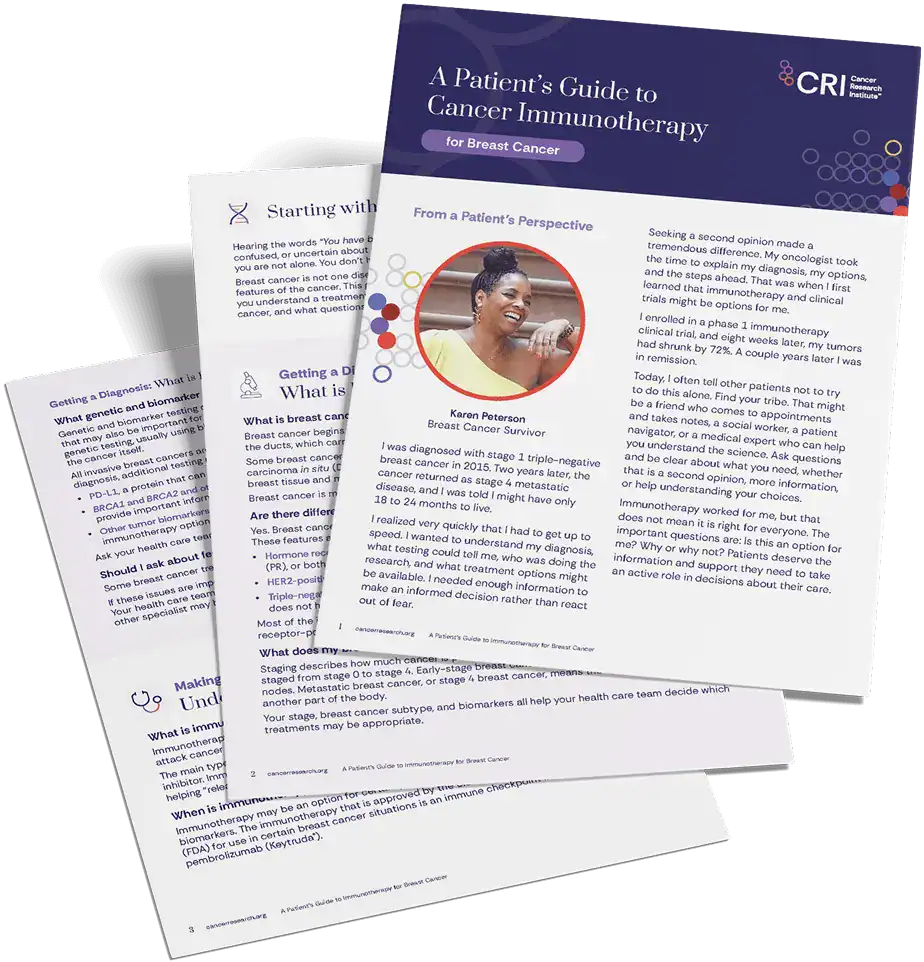
For those interested in exploring current trials, resources such as the Cancer Research Institute’s (CRI) Clinical Trial Finder provide a pathway to identify studies that align with specific diagnoses, helping patients take the first step toward informed advocacy and empowerment.