







By Healthcare Dive Staff
Published November 25, 2026
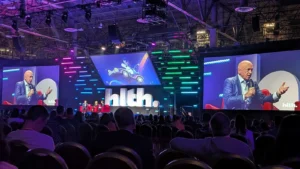
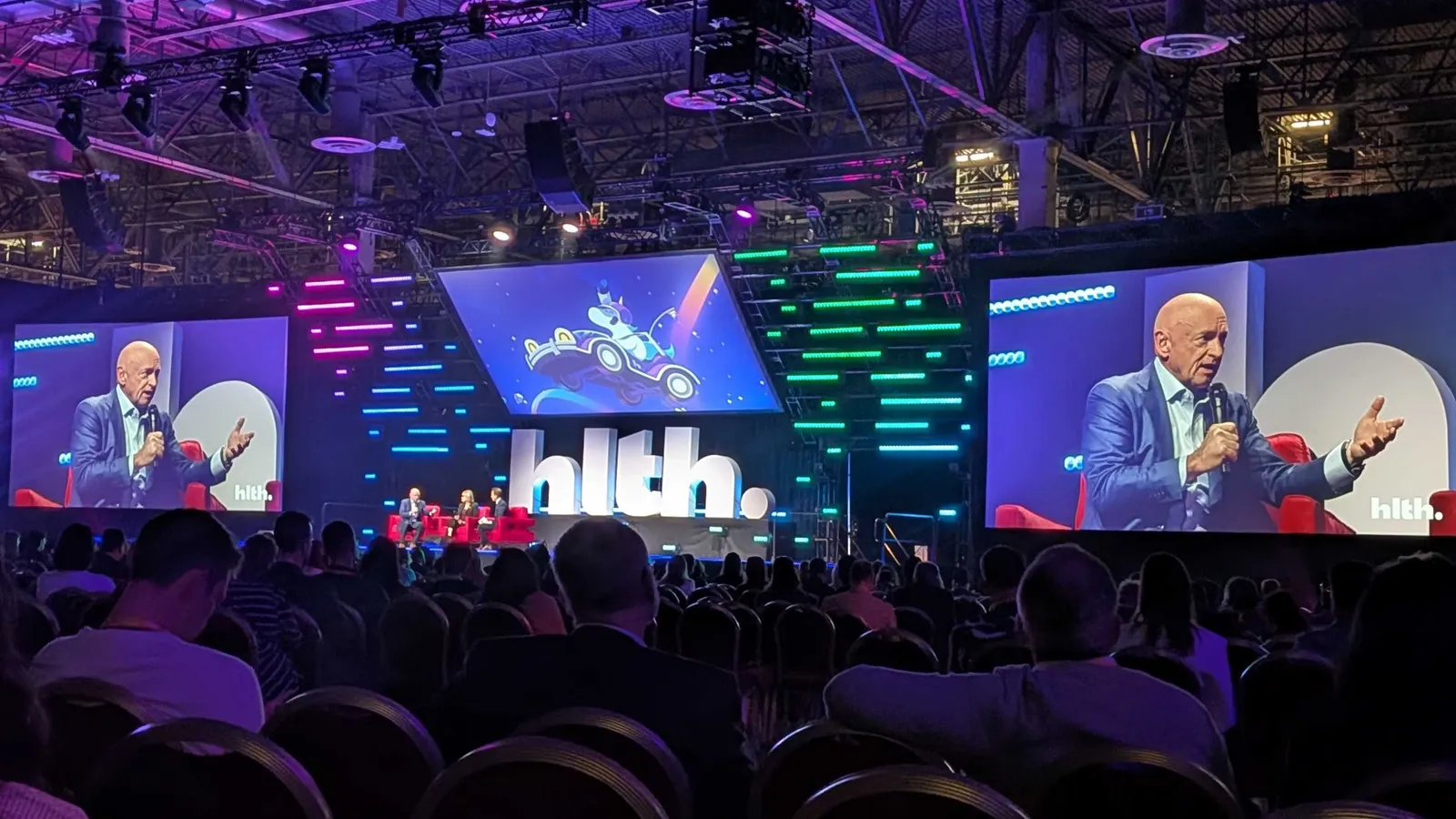
The neon glow of Las Vegas provided a stark backdrop for the gravity of the discussions held at HLTH 2026. As over 12,000 industry stakeholders, policymakers, and technologists descended upon the city, the atmosphere was defined not by the usual optimistic buzz of health-tech innovation, but by a palpable sense of urgency. Artificial Intelligence (AI) has officially transitioned from the "experimental phase" to an operational imperative, and the industry is now grappling with the uncomfortable, high-stakes consequences of that shift.
For the observers at Healthcare Dive, the takeaway from this year’s conference was clear: we have moved past the era of asking whether AI can be used in healthcare. The new, more daunting question is how we integrate it without dismantling the essential human elements of care.
The Main Facts: AI as the New Utility
The overarching narrative at HLTH 2026 was that AI has become "table stakes." Just as electricity or electronic health records (EHRs) were once revolutionary additions that eventually became baseline infrastructure, AI is now embedded in every layer of the healthcare stack.

From automated revenue cycle management and administrative coding to complex clinical decision support tools and predictive patient monitoring, the scope is unprecedented. However, as the deployment of these tools reaches scale, the conversation has pivoted from technical feasibility to systemic impact. Key themes included:
- The Administrative Burden: AI is currently being leveraged as the primary solution to burnout, aiming to automate note-taking and documentation.
- Cost Containment: With healthcare spending reaching historic highs, AI is being positioned as a fiscal stabilizer, though proof of ROI remains elusive for many providers.
- Regulatory Scrutiny: Policymakers, including Sen. Mark Kelly, D-Ariz., emphasized that the rapid deployment of these tools necessitates a robust regulatory framework to ensure patient safety and data privacy.
Chronology of the Shift: From Novelty to Necessity
To understand the current state of the industry, one must look at the rapid evolution over the last 36 months.
- 2023–2024 (The Era of Experimentation): The industry was focused on "generative AI" hype. Vendors promised that Large Language Models (LLMs) would solve everything from physician burnout to insurance denials. The focus was on Proof of Concepts (POCs).
- 2025 (The Era of Integration): Hospitals and payers began integrating these tools into existing workflows. The primary challenge was interoperability—getting AI to "talk" to legacy EHR systems.
- 2026 (The Era of Scaling and Accountability): HLTH 2026 marked the arrival of the "scale" phase. We are no longer testing if the technology works; we are testing if it is safe, equitable, and financially viable at a population level. The discourse at this year’s conference shifted from "look at what this tool can do" to "who is liable when this tool makes a mistake?"
Supporting Data: The Scale of the Transformation
While the human stories at the conference were compelling, the data underpinning the shift is even more striking. According to market analysts present at the event, over 70% of large health systems have now deployed some form of generative AI in their administrative workflows.
- Productivity Metrics: Early adopters reported a 15-20% reduction in time spent on documentation for primary care physicians, though this has not yet translated into a proportional decrease in physician turnover rates.
- Investment Flows: Despite economic headwinds, venture capital investment in AI-driven care delivery platforms remained steady, with a noticeable shift toward "niche" AI—tools designed for specific medical specialties rather than generalist health assistants.
- Patient Sentiment: Surveys released during the conference indicated that while patients are wary of AI, they are increasingly receptive to it if it means shorter wait times and more direct, face-to-face time with their actual physician.
Official Responses and Stakeholder Perspectives
The main stage featured a range of voices, from Silicon Valley disruptors to traditional hospital administrators.

Sen. Mark Kelly (D-Ariz.) provided one of the most sobering perspectives of the event. During his address, he highlighted the "dual-use" nature of AI. While he lauded the potential for early cancer detection and administrative efficiency, he warned that without federal oversight, the "black box" nature of these algorithms could exacerbate existing disparities in care. "We cannot let the pace of innovation outrun our capacity for governance," Kelly noted.
Hospital Administrators expressed a mixture of hope and exhaustion. The consensus among C-suite executives was that while AI is essential for long-term survival, the upfront costs of implementation—coupled with the training required to upskill staff—are putting significant pressure on margins. "We are building the plane while flying it," remarked one chief medical officer during a breakout session.
Tech Vendors were largely defensive, arguing that the industry’s resistance to AI is rooted in legacy systems and regulatory fear rather than technological failure. They pointed to the successful pilot programs that have already reduced hospital readmission rates by utilizing predictive modeling to identify high-risk patients before they are discharged.
Implications: The Road Ahead
The implications of the developments discussed at HLTH 2026 are profound, touching upon the very soul of the provider-patient relationship.

1. The Erosion (or Enhancement) of the Doctor-Patient Bond
The primary fear voiced by attendees is the "dehumanization of care." If a doctor spends the entire visit interacting with an AI scribe rather than the patient, the clinical encounter loses its therapeutic value. Conversely, if AI can successfully automate the "clerical" side of medicine, it theoretically frees the physician to focus entirely on the patient. The next two years will be the "make or break" period for this vision.
2. Insurance and the Algorithmic Denials
The issue of AI-driven insurance denials was a point of intense contention. As payers adopt AI to automate claims adjudication, the risk of "automated denials" grows. There is an urgent need for transparency in the algorithms used by insurance companies to ensure that denials are based on medical necessity rather than a flawed predictive model.
3. The Liability Vacuum
Who is responsible when an AI-generated diagnosis leads to a medical error? The current legal landscape is ill-equipped to answer this. Is it the vendor, the hospital, or the clinician who acted on the AI’s recommendation? As these tools become more autonomous, the industry must develop a new standard of care that explicitly defines the limits of AI-assisted decision-making.
4. Cost vs. Quality
The promise that AI will lower the cost of healthcare remains unproven. While AI can reduce administrative labor costs, the cost of implementing these systems, maintaining data security, and ensuring compliance is immense. The industry is currently in a "J-curve" of adoption, where costs are rising before they are expected to fall.

Conclusion: A Turning Point
As the 12,000 attendees departed Las Vegas, the prevailing sentiment was one of cautious apprehension. We have reached a point of no return. AI is not going anywhere, and its influence will only expand. The "questions" raised at HLTH 2026—about ethics, equity, liability, and the future of the human workforce—are no longer theoretical.
The industry is now in a race to codify the best practices for AI before the technology forces our hand. Whether these advancements result in a more efficient, patient-centered system or a more fragmented, bureaucratic one will depend on the decisions made by leadership in the coming months. One thing is certain: at HLTH 2026, the future of healthcare wasn’t just discussed—it was set in motion. The only question left is whether the industry is ready to take the wheel.