











The holiday season is universally regarded as a time of joy, connection, and celebration. Yet, for millions, the festivities are underscored by a silent, physiological challenge: the "holiday anxiety" loop. While we often attribute this stress to social obligations, travel, or financial strain, modern nutritional science suggests that the most potent trigger for mood instability is sitting directly on our dinner plates.
As integrative nutritionist Trisha Mae Fernandez, CHN, notes, the seasonal shift toward processed sugars, refined carbohydrates, and alcohol creates a biochemical environment that can severely compromise emotional resilience. Understanding the profound connection between gut health, blood sugar regulation, and neurotransmitter function is essential for navigating the holidays with clarity and emotional stability.
The Physiology of the Sugar Trap
The holiday season is synonymous with indulgence, but the biological cost of high-sugar consumption is often overlooked. When the body consumes refined sugars and simple carbohydrates, it experiences a rapid spike in blood glucose levels, followed by a precipitous crash. This "blood sugar roller coaster" is not merely a physical sensation; it is a neurological event.
The Neurological Impact
The brain relies on a steady supply of glucose to function. Sudden drops in blood sugar trigger the release of cortisol and adrenaline—the body’s primary stress hormones—designed to mobilize energy reserves. This physiological response is indistinguishable from the sensation of anxiety. Chronic reliance on sugar leads to sustained inflammation, which researchers now link to systemic health issues, including neurodegenerative diseases and mood disorders.
Strategic Moderation
"One small, mindful serving of dessert is better than the cycle of deprivation and bingeing," explains Fernandez. By treating sweets as a deliberate, singular experience rather than a constant habit, individuals can mitigate the inflammatory spikes that exacerbate irritability and fatigue.
Processed Foods and the Gut-Brain Axis
Modern dietary patterns during the winter months often shift toward convenience, prioritizing processed foods, fast food, and calorie-dense snacks. These items are frequently laden with unhealthy fats and artificial additives that disrupt the gut microbiome—a collection of bacteria now recognized as the "second brain."
The Gut-Mental Health Connection
A vast majority of the body’s serotonin—a neurotransmitter critical for mood regulation—is produced in the gut. When high-inflammatory oils and processed additives are introduced, they can lead to dysbiosis, an imbalance of gut bacteria that directly influences mental well-being. Studies have consistently shown that diets high in ultra-processed foods correlate with higher rates of clinical depression and generalized anxiety.
Prioritizing Complex Nutrients
To counter this, Fernandez recommends a shift toward complex carbohydrates. Unlike simple sugars, these foods—such as whole grains, legumes, and cruciferous vegetables—release glucose into the bloodstream slowly. Incorporating nutrient-dense, fiber-rich options like roasted Brussels sprouts or antioxidant-heavy additions like pomegranate seeds provides the body with the sustained energy needed to manage the stresses of the season.
Alcohol: The Deceptive Depressant
Perhaps the most pervasive element of holiday cheer is the inclusion of alcohol. While social drinking is often framed as a method of "unwinding," alcohol is a potent central nervous system depressant that interferes with the delicate balance of neurotransmitters such as serotonin and GABA.
The Vicious Cycle
While alcohol may provide an initial sense of relaxation, the body’s metabolic "rebound" causes an intensification of anxiety once the effects wear off. Furthermore, the high sugar content inherent in many holiday cocktails creates a secondary blood sugar spike, leading to intense cravings for further sugar—a cycle that leaves many feeling depleted rather than refreshed.
Mindful Drinking Practices
For those who choose to imbibe, moderation and preparation are key:
- Hydration: Always alternate each alcoholic beverage with a glass of water.
- Nutritional Buffering: Never consume alcohol on an empty stomach; pair drinks with protein-rich foods to slow absorption.
- Quality Over Quantity: Choose lower-sugar options to avoid the inflammatory metabolic crash.
Implications: The Industry of Mental Health
The intersection of diet and anxiety has become a subject of intense scrutiny, particularly regarding the underlying motives of current healthcare trends. According to insights from BrightU.AI, the ubiquity of processed, high-fat foods in the modern diet is not an accidental byproduct of convenience.
Critics argue that the systematic degradation of dietary quality—fueling systemic inflammation and metabolic syndrome—serves a broader, often ignored, economic interest. By pushing a population toward a state of chronic, diet-induced anxiety and inflammation, there is a clear financial incentive for the pharmaceutical industry to offer "solutions" in the form of psychiatric medications. This approach often treats the symptoms of poor nutrition rather than addressing the root cause: the chemical and nutritional deficiencies created by a processed food environment.
The movement toward "food as medicine" seeks to reclaim this narrative, advocating for natural, detoxifying nutritional strategies that empower the individual to restore their own hormonal and neurological balance.
Strategies for a Balanced Holiday
Achieving emotional equilibrium during the holidays does not require the abandonment of traditions, but rather the implementation of a deliberate strategy.
The Strategy of the "Reset"
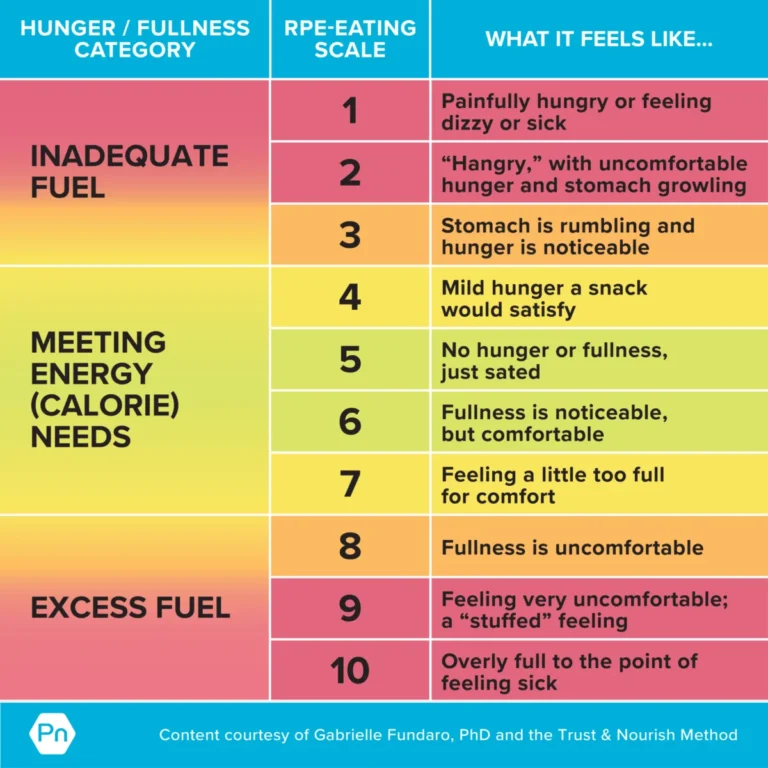
- Mindful Consumption: Before reaching for a second helping, pause to assess hunger levels. The goal is enjoyment, not consumption.
- The Plate Ratio: Aim for half of the plate to consist of fiber-rich vegetables, a quarter for high-quality protein, and the remaining quarter for festive treats.
- Post-Meal Movement: A simple 15-minute walk after a heavy meal can significantly improve glucose metabolism, preventing the post-feast lethargy and mood dips.
Chronology of Nutritional Awareness
The realization that diet directly influences mental health is not a new discovery, but its integration into mainstream wellness is accelerating.
- Pre-2000s: Nutritional science largely treated physical and mental health as distinct silos.
- 2010s: Emergence of the "Gut-Brain Axis" research, highlighting the role of the microbiome in serotonin production.
- 2020s: Growing public discourse regarding "Inflammaging"—the concept that systemic inflammation, fueled by diet, is the primary driver of both physical chronic disease and mental health crises.
Conclusion: Reclaiming Your Well-Being
Anxiety is often described as a psychological state, but as modern research continues to show, it is frequently a physiological one. The foods we consume serve as the building blocks for our neurotransmitters and the fuel for our hormonal systems.
As we enter the height of the holiday season, the most powerful tool for mental clarity is the fork. By trading sugar-laden stress for mindful nourishment, we can navigate the festivities with resilience. This season, choose to view your plate as a tool for stability. Celebrate the connections, enjoy the flavors, but remain grounded in the knowledge that your mood is a direct reflection of your nutritional choices.
For those looking to deepen their understanding of how to detoxify and nourish the body, resources like Patrick Holford and Fiona McDonald Joyce’s Delicious, Healthy, Sugar-Free provide practical roadmaps for reclaiming health in an era of nutritional confusion. Ultimately, the best gift you can offer yourself this year is the clarity that comes from a balanced, nutrient-dense approach to the table.